10 Myths about Studying Abroad in 2025 | REALITY CHECK
Based on WiseUp Communications's video on YouTube. If you like this content, support the original creators by watching, liking and subscribing to their content.
Household work abroad—groceries, cooking, laundry, and chores—falls on students and is often missing from idealized expectations.
Briefing
Studying abroad in 2025 comes with major trade-offs that rarely make it into glossy Instagram posts: independence often means doing everything yourself, and the “dream” can quickly turn into work, competition, and financial pressure. The most immediate reality check is household life. Abroad, students don’t get the same support systems they’re used to—shopping, cooking, laundry, and day-to-day chores fall on them. That shift exposes how much day-to-day comfort depends on family help, and it also means the time spent “living the experience” is paired with constant behind-the-scenes labor that travelers usually don’t photograph.
Another myth is that getting into a good university automatically makes the experience easy and social. Academics abroad can be just as competitive as studying in India. Students still need strong grades, consistent assignment work, and research effort to build a profile that stands out—especially because applicants arrive from recognized universities worldwide. That competitive pressure extends to career outcomes too. Unlike the campus placement culture many students expect in India, universities abroad don’t guarantee internships or jobs. Students must actively hunt: attending career fairs, sending applications, networking with company employees, and leveraging professors.
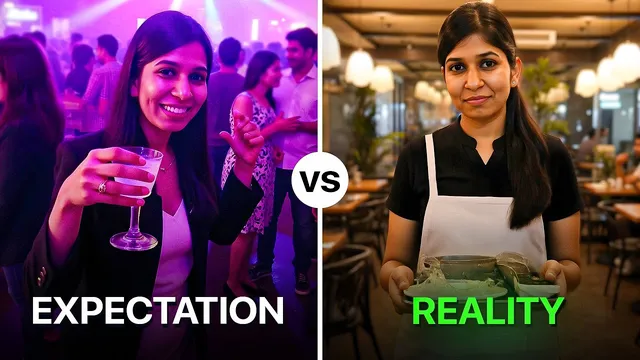
Money is another recurring pressure point. Living expenses can be high enough that students may need small jobs to cover day-to-day costs—examples mentioned include waitressing, working in parking lots, or assisting in supermarkets. Travel home is also less frequent and more expensive than many assume. In India, students can often return by train or afford occasional flights; abroad, one-way tickets can cost tens of thousands of rupees, forcing students to think carefully before traveling.
Social life brings its own lesson: friends can become “family,” but only if relationships are genuine. Since students share routines—cooking, cleaning, studying, and going out—superficial friendships can leave people feeling disconnected from home. The advice is to prioritize friends who offer real support and emotional connection early on.
Career success abroad also depends on soft skills, not just academics. Public speaking, writing, and presentation abilities can improve communication with people across cultures and create an edge in interviews, with professors, and during networking. With only a few months before joining, the recommendation is to start building those skills immediately.
Even the “fun” parts come with practical framing. Local food can become a comfort and a way to blend into the culture—one example recalls hesitating to try Asian cuisine in Singapore as a vegetarian, then discovering vegetarian options that became go-to meals. Finally, students are urged to save money and limit status-driven spending on gadgets and branded clothes, because financial discipline can translate into real savings when returning to India.
The closing point challenges a final assumption: studying abroad doesn’t automatically mean settling abroad permanently. Students can work for a few years, recover loan costs, and return to family—treating the experience as a step in a longer plan rather than a one-way exit from home.
Cornell Notes
The core message is that studying abroad in 2025 is far more demanding than most people expect. Independence comes with real responsibilities—students handle household work, manage finances, and often need to work small jobs to cover living costs. Career outcomes require active effort: universities may not provide placement, so students must network, apply, and attend career fairs. Success also depends on soft skills like communication and presentation, which can help with interviews and relationships across cultures. The experience can still be rewarding—local food and travel can enrich life—but it should be balanced with saving money and planning for the possibility of returning home rather than permanently settling abroad.
What household reality changes when students study abroad?
Why is studying abroad not automatically “chill” after admission?
How do internship and job searches differ from the India campus-placement model?
What financial and travel constraints can surprise students?
How can soft skills affect outcomes abroad?
What mindset shift is suggested about “settling abroad”?
Review Questions
- Which responsibilities abroad replace the household support many students rely on at home, and how might that affect day-to-day life?
- What specific actions are recommended for finding internships or jobs abroad if universities don’t provide placement?
- How do soft skills and financial habits (saving vs. status spending) influence long-term outcomes after returning home?
Key Points
- 1
Household work abroad—groceries, cooking, laundry, and chores—falls on students and is often missing from idealized expectations.
- 2
Academic competition abroad remains intense; strong grades, assignments, and research are needed to build a standout profile.
- 3
Job and internship placement abroad is not guaranteed by universities, so students must actively pursue opportunities through applications, networking, and career fairs.
- 4
High living costs may require small jobs to cover expenses, and travel home can be expensive enough to limit how often students visit.
- 5
Friendships abroad can become “family,” but only genuine relationships prevent loneliness and disconnection from home.
- 6
Soft skills like communication, writing, and presentations can improve networking, interviews, and rapport with professors and employers.
- 7
Studying abroad doesn’t require permanent settlement; working for a few years to recover costs and then returning is a viable plan.