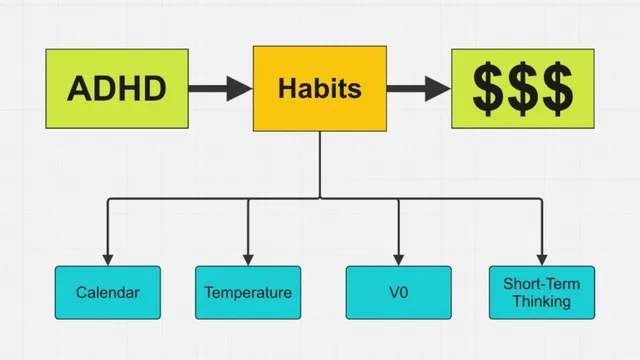
4 ADHD Habits to Make 2025 Hyper Productive
Based on Ali Alqaraghuli, PhD's video on YouTube. If you like this content, support the original creators by watching, liking and subscribing to their content.
Keep a calendar constantly visible to counter ADHD “time blindness” and make time-based decisions easier.
Briefing
ADHD productivity in 2025 may come down to one practical fix: make time visible and decisions immediate. The first habit is to keep a calendar in constant view—on a second monitor if possible, as a persistent browser default, and via a phone widget—so “time blindness” doesn’t quietly derail planning. For many people with ADHD, executive dysfunction makes it hard to sense time passing and to estimate when tasks will actually happen. The workaround is simple but relentless: look at the calendar often enough that it becomes the default trigger for action. Going a step further, the advice is to abandon standalone to-do lists and route tasks directly into the calendar. Using Google Calendar’s integrated task workflow (via Google Tasks), items can be dragged onto specific dates and times, turning vague “to-dos” into scheduled commitments with built-in urgency.
The second habit targets sleep timing through environmental cues rather than willpower. The goal is waking earlier and going to bed earlier, which can improve health and make mornings more usable. Instead of alarms, the method uses a thermostat schedule: the house cools to around 66°F starting around 11 p.m., encouraging drowsiness as the body registers the temperature drop. In the morning, the temperature warms gradually (around 72°F by about 8:30 a.m.), helping the body wake naturally. The result is waking around 9:30 a.m. without alarms, with better sleep quality linked to cooler nighttime temperatures.
The third habit is an action-first mindset borrowed from a “do stuff and the road reveals itself” principle associated with Brian Armstrong. For ADHD, the key is to stop waiting for perfect clarity before starting. Action produces information—recording, drafting, or prototyping even when the outcome is uncertain—so the next step becomes clearer after you begin. The approach is framed as “v0,” a version zero: start with minimal setup (turn on the ring light, speak into the microphone, use a block diagram) to generate feedback. If the result is good enough, it moves forward; if it’s not, re-recording is still better than stalling under anxiety or perfectionism.
The fourth habit flips the usual “long game” advice by emphasizing short-term thinking for motivation. Long-term goals matter for direction, but ADHD often responds better to immediate feedback loops. The strategy is to revisit long-term aims only occasionally (about once a week), then run the day-to-day on short-term rewards and internal satisfaction. Examples include recording now to earn a small treat later (like decaf coffee) or to feel better about oneself after completing an important task. Even internal rewards work: adding one more item to an “unreleased vault” of work, inspired by Prince’s habit of keeping most material unreleased. Confidence comes from always knowing the next task, which ties back to using the calendar and maintaining clarity about what to do next.
Taken together, the habits form a system: make time visible, let the environment cue behavior, start before clarity, and use near-term motivation to keep momentum—so productivity becomes repeatable rather than dependent on bursts of willpower.
Cornell Notes
The core claim is that ADHD productivity improves when time and next steps are made concrete and immediate. Keeping a calendar constantly visible combats “time blindness,” and scheduling tasks directly on the calendar (rather than maintaining separate to-do lists) creates urgency and clarity. Sleep timing can be shifted without alarms by using thermostat changes—cooling at night to trigger sleepiness and warming in the morning to support natural wake-ups. Starting with “v0” action (do the thing to generate information) reduces perfectionism and procrastination. Finally, motivation is sustained by short-term thinking—using quick rewards and internal satisfaction—while long-term goals are revisited only occasionally.
Why does constantly checking a calendar matter specifically for ADHD?
What’s the practical difference between a to-do list and scheduling tasks on a calendar?
How does the thermostat method replace alarms for waking up earlier?
What does “v0” mean, and how does it help with procrastination?
Why does the transcript recommend short-term thinking over long-term obsession?
Review Questions
- How does “time blindness” change the way tasks should be managed, and what calendar-based workaround is proposed?
- Describe the thermostat schedule approach and explain why it can reduce reliance on alarms.
- What is “v0,” and how does the action-first mindset generate clarity for the next step?
Key Points
- 1
Keep a calendar constantly visible to counter ADHD “time blindness” and make time-based decisions easier.
- 2
Schedule tasks directly on Google Calendar (using Google Tasks) instead of relying on separate to-do lists that ignore timing.
- 3
Shift sleep timing by controlling room temperature—cooling at night to trigger sleepiness and warming in the morning to support natural wake-ups.
- 4
Use an action-first “v0” approach: start with minimal setup to generate information, then iterate rather than waiting for perfect clarity.
- 5
Motivate ADHD-focused work with short-term thinking: revisit long-term goals occasionally, but drive daily action with immediate rewards and internal satisfaction.
- 6
Maintain confidence by always knowing the next task and using the calendar to preserve clarity about what to do next.