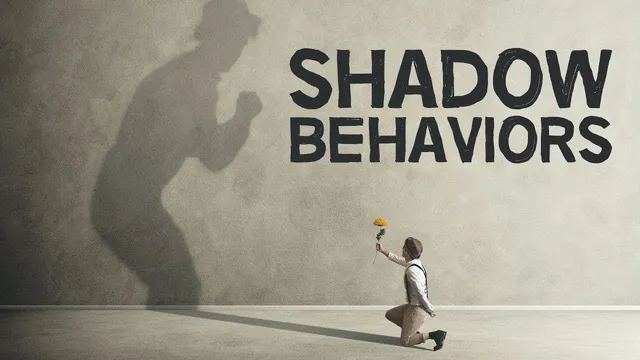
4 Examples Of Shadow Behavior | Q&A #6 | August 2019
Based on Einzelgänger's video on YouTube. If you like this content, support the original creators by watching, liking and subscribing to their content.
Shadow behavior is treated as the indirect output of repressed or unprocessed feelings, not merely as a list of “bad” traits.
Briefing
Shadow behavior isn’t just a storehouse of “bad” traits—it’s where unwanted feelings, impulses, and self-perceptions get pushed when they can’t be faced openly. The core issue is less about having desires or emotions and more about what happens when they’re repressed and left to run unchecked. That distinction matters because repression can distort relationships, sexuality, and self-image, producing hidden patterns that leak out indirectly.
One example given is sexually repressed bitterness in people who still crave intimacy. Instead of addressing the feelings directly, bitterness becomes a protective persona: romantic attempts get shut down, and even sexual impulses are pushed away. The problem isn’t celibacy itself; it’s the unresolved, unwanted thoughts and feelings that end up in the shadow. The same mechanism can show up as a hidden addiction to pornography paired with shame, where the content sought online often escalates over time. An extreme illustration is a priest who performs purity and service while being unable to control carnal desires—an outward identity that collapses under the weight of what’s been denied.
Not everything in the shadow is framed as harmful, though. Creativity can also be exiled when families treat it as taboo or impractical. If parents steer children toward “secure” money paths, genuine creative drive may be suppressed until it eventually resurfaces—still buried, still shadowed, because it doesn’t fit the accepted story.
From that foundation, four shadow behaviors are highlighted. First is harshly judging others, often rooted in fear that others will judge you in the same way. The logic becomes self-protection: if you’re the judge, you avoid being the judged. That dynamic helps explain how people who were bullied can later become bullies.
Second is projection—pointing to flaws in others that mirror one’s own insecurities. The transcript uses the film American Beauty: Colonel Fitts expresses homophobia while being gay, treating his own sexuality as a defect and pushing that judgment outward. Projection also appears when parents punish children for traits that confront the parent’s own shortcomings, and it shows up online in trolling—attacking others who “get away” with presenting themselves authentically.
Third is quick temper toward people lower in power. A “Chain of Screaming” analogy from How I Met Your Mother illustrates how anger travels down the hierarchy: those yelled at pass the heat to those beneath them. Personal experience reinforces the pattern—customer service workers often must maintain a happy or neutral face, so the emotional pressure can concentrate in ways that later explode at subordinates once power increases.
Fourth is repeatedly playing the victim. The victim role functions as a shield: it keeps others from seeing the “bad” behind the persona and reduces accountability. The transcript describes a cycle where someone creates problems, then uses victimhood to secure empathy and support—while responsibility stays conveniently out of reach.
Cornell Notes
Shadow behavior is framed as the outward pattern that emerges when unwanted feelings, desires, or self-judgments are pushed out of awareness and left unresolved. Celibacy and restraint are not treated as the problem; repression is—especially when it produces shame, escalation (such as compulsive pornography use), or hypocrisy (like an outward purity persona masking uncontrolled desire). The transcript also notes “positive” shadow material, such as creativity suppressed by family expectations. Four shadow behaviors are then listed: harsh judgment, projection, anger toward subordinates, and chronic victimhood—each described as a strategy to manage fear, insecurity, or responsibility.
Why does the transcript treat repression as more harmful than the absence of desire (e.g., celibacy)?
How does projection work, and what examples are used to illustrate it?
What’s the logic behind harshly judging others, and why does it connect to bullying?
Why does anger tend to flow downward in organizations, according to the transcript?
How does playing the victim function as a shadow behavior?
Review Questions
- Which shadow behaviors in the transcript are most directly linked to fear of judgment, and how do their mechanisms differ?
- How does the transcript distinguish between repression that leads to trouble and restraint that can be healthy?
- What patterns of power and hierarchy are used to explain why anger often targets people in subordinate positions?
Key Points
- 1
Shadow behavior is treated as the indirect output of repressed or unprocessed feelings, not merely as a list of “bad” traits.
- 2
Celibacy is not the issue; repression that leaves unwanted desires and thoughts unchecked is.
- 3
Shame-driven secrecy can turn into compulsive patterns, including escalating pornography use.
- 4
Projection shows up when people criticize others for flaws that mirror their own insecurities.
- 5
Harsh judgment often functions as a defense against the fear of being judged oneself.
- 6
Anger frequently travels down hierarchies, with people taking out frustration on those with less power.
- 7
Chronic victimhood can be a strategy to avoid responsibility while still attracting empathy and support.