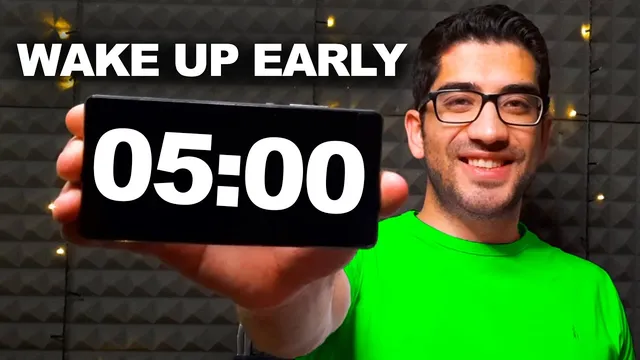
5 AM Morning Routine, How To ACTUALLY Stick To It
Based on Daily Atomic Steps's video on YouTube. If you like this content, support the original creators by watching, liking and subscribing to their content.
Start the night before by writing a specific morning to-do list so waking up early has immediate, personal reasons.
Briefing
A 5 a.m. routine sticks when it’s built around immediate reasons, friction against distractions, and a repeatable structure—not when it depends on someday becoming a “future version” of yourself. The core message is that early mornings work because distractions are lower, but consistency fails when people wait for motivation to arrive automatically. The fix starts with planning and commitment mechanisms that make the next step obvious the moment you wake up.
The routine begins the night before with a to-do list for the morning. Writing down specific tasks turns “getting up early” from a vague goal into a concrete plan with built-in motivation. That planning principle is reinforced with the idea that failing to plan is effectively planning to fail, and that change has to start now: “If I would, I could. If I will, I can.”
Next comes a non-negotiable morning anchor—at least one activity that doesn’t get skipped. The transcript gives examples like exercising paired with a positive, motivational audiobook (with Jim Rohn audio files suggested repeatedly), or doing core exercises at home to strengthen muscles and help prevent backache as people age. The point isn’t the exact workout; it’s establishing a rhythm that creates a “win” early in the day.
Distraction control is treated as equally important. The phone is framed as the main disruptor because blue light can interfere with the brain’s sleep chemistry by signaling “daylight.” Two tactics follow: replace phone time with something better (like books) and physically remove the phone from easy reach—ideally placing it in another room so social media, emails, and notifications don’t pull attention off track. Even the bed is turned into a micro-commitment: making it takes seconds but creates a quick sense of order and progress.
Several practical health and behavior rules support the routine. Hydration matters because the body goes roughly eight hours without water overnight; drinking some water is recommended, but not very cold. Dinner timing affects mood: eating 2–3 hours before bed helps digestion finish so sleep is more restorative, reducing grogginess and bad mornings. Reflection is also built in at day’s end, using Jim Rohn’s “Reflect” method—review what went well, what didn’t, and what to do differently tomorrow—likened to Kaizen-style continuous improvement.
Finally, the transcript connects morning habits to deep work. After short routines, focused work should start quickly using structured “JAM Sessions.” The approach borrows from the Pomodoro Technique but emphasizes Darren Hardy’s 90-minute JAM Sessions: remove distractions, work for 90 minutes, then take a longer break (about 30 minutes). Early days feel slow and hard, but persistence leads to momentum and even “addiction” to the results. The overall system—plan, anchor, remove friction, protect sleep, reflect, then execute focused work—aims to make sticking to a 5 a.m. routine the default outcome rather than a daily battle.
Cornell Notes
Sticking to a 5 a.m. morning routine depends less on willpower and more on designing the day so the next action is clear and distractions are harder to reach. The plan starts the night before with a morning to-do list, then locks in at least one non-negotiable routine (like exercise paired with a motivational audiobook or home core work). Phone management is central: blue light can disrupt sleep chemistry, and placing the phone out of reach reduces temptation to check social media or email. The routine also includes hydration, making the bed, avoiding very late dinners, and end-of-day reflection using Jim Rohn’s “Reflect” method. After routines, focused work begins with 90-minute JAM Sessions (distraction-free work, then a longer break) to build momentum.
Why does “waiting for the future version of yourself” undermine morning routines, and what replaces it?
How does a night-before to-do list make waking up early more reliable?
What does “non-negotiable” mean in practice, and what examples are given?
Why are phones singled out, and what two tactics are recommended?
How do dinner timing and hydration connect to morning mood and energy?
What is the structure of 90-minute JAM Sessions, and how does it build focused work?
Review Questions
- Which habit in the routine most directly reduces morning distraction, and what physical change supports it?
- How does the transcript connect dinner timing to morning mood, and what timing window is recommended?
- What are the three steps of a 90-minute JAM Session, and why does the longer break matter?
Key Points
- 1
Start the night before by writing a specific morning to-do list so waking up early has immediate, personal reasons.
- 2
Choose at least one non-negotiable morning routine (e.g., exercise with a motivational audiobook or home core work) to create a consistent rhythm.
- 3
Reduce phone impact by replacing screen time with alternatives like books and by placing the phone out of easy reach, ideally in another room.
- 4
Use small “win” rituals like making the bed to build momentum and order at the start of the day.
- 5
Support energy and mood with hydration after waking and by eating dinner 2–3 hours before bed to improve restorative sleep.
- 6
End each day with structured reflection (Jim Rohn’s “Reflect”) to identify what worked, what didn’t, and what to adjust tomorrow.
- 7
After morning routines, begin focused work quickly using 90-minute JAM Sessions: remove distractions, work for 90 minutes, then take a longer break.