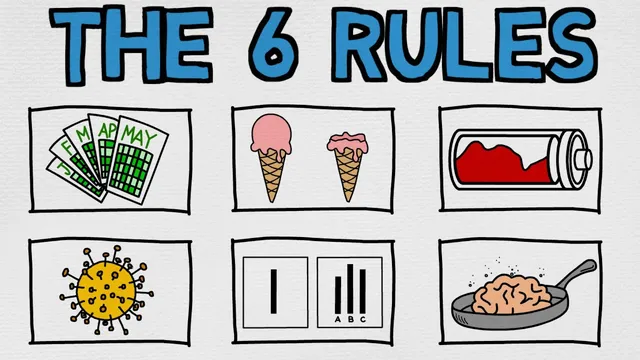
6 Lessons We Learn Too Late In Life
Based on Better Than Yesterday's video on YouTube. If you like this content, support the original creators by watching, liking and subscribing to their content.
Treat health as the foundation for everything else; money can’t compensate for a body that can’t function.
Briefing
Health is everything—yet most people only grasp that truth after illness or injury forces the lesson into focus. The argument is blunt: money can’t substitute for a body that can’t function, and chasing wealth at the expense of well-being is a bad trade. Instead, daily choices should actively protect health—prioritizing sunlight, sleep, regular exercise, stress management, and a diet that avoids junk food, soda, and alcohol, while steering clear of smoking or vaping. The point isn’t to wait for a crisis; it’s to treat health as the foundation that makes every other goal enjoyable.
A second theme reframes self-control as an engineering problem rather than a willpower test. Discipline “powered through” distractions and temptations burns energy, so the better move is to redesign the environment so good behavior becomes the default and bad behavior becomes harder. The transcript uses a personal example: avoiding sugary foods for months isn’t credited to extraordinary restraint, but to removing easy access—no ice cream at home means cravings fade or are delayed long enough for rational thinking to return. The same logic applies to building habits: make desired actions convenient and visible (like keeping a water bottle within reach) so they require less mental effort. When habits are controlled this way, life trajectory follows.
Authenticity becomes the third rule, supported by a classic social-psychology experiment. The lesson is that adapting to fit in can make people like a “persona,” but it also attracts the wrong kind of connection and leaves the real self feeling unseen. Solomon Asch’s line-judgment studies illustrate how strong the pressure to conform can be: even when the correct answer is obvious, 72% of participants conformed to an incorrect group choice at least once. The takeaway is practical—when everyone seems to agree, it’s worth offering a different perspective, and it’s acceptable to be wrong if it means staying true.
The fourth lesson extends the idea of rest beyond physical recovery to mental recovery. Cognitive work—like programming all day—can be draining even when it looks effortless from the outside. Breaks that merely distract (TV, TikTok, Instagram) keep feeding the brain new information, preventing real relaxation. A better reset is a device-free 30-minute walk or other low-stimulation activities (showering, chores) that keep the body moving while letting thoughts run free. This matters for mental health and productivity, especially for people who struggle to quiet rumination at night.
Fifth comes a productivity shift: manage energy, not time. Work quality improves when demanding tasks are scheduled during personal peak focus windows, while easier tasks land during low-energy periods. The payoff is twofold—less total time spent working for similar output, and a healthier work-life balance because rest isn’t treated as an optional luxury.
Finally, a “great life” is defined less by rare highlights and more by consistently good days. Big events create spikes in happiness, but routine days make up the bulk of life. The transcript criticizes the common trade of enduring misery for weeks of vacation, arguing instead for designing an average day that feels worth living—because sustainable fulfillment comes from contentment in ordinary moments.
Cornell Notes
The transcript lays out six “rules” meant to prevent regret and improve day-to-day living. It starts with a health-first stance: well-being enables everything else, so habits like sleep, exercise, stress control, and avoiding harmful substances should be prioritized early. It then argues that self-control works better through environment design—make good choices easy and bad choices hard—so habits steer life without constant willpower. Authenticity is framed as essential for finding the right relationships, reinforced by Solomon Asch’s conformity findings (72% conformed at least once). Mental rest, energy-based scheduling, and focusing on consistently good days round out the framework for a more sustainable life.
Why does the transcript treat health as the first and non-negotiable priority?
How does “controlling your environment” replace traditional ideas about discipline?
What does staying true to yourself mean, and how does the Asch experiment support it?
What counts as a real mental break, and why are scrolling and TV framed as a trap?
How does managing energy improve productivity compared with time management?
What is the “good day, great life” idea, and how does it critique common priorities?
Review Questions
- Which specific health habits are listed as ways to protect well-being before problems arise?
- What does the transcript claim happens when people rely on willpower instead of redesigning their environment?
- How do the transcript’s productivity recommendations change when you schedule tasks by energy peaks rather than by time blocks?
Key Points
- 1
Treat health as the foundation for everything else; money can’t compensate for a body that can’t function.
- 2
Prevent health decline by prioritizing sleep, sunlight, exercise, stress management, and avoiding harmful substances like soda, alcohol, and tobacco/vaping.
- 3
Use environment design to reduce reliance on willpower: make bad choices harder to access and good choices more convenient.
- 4
Stay authentic to find relationships that match the real self; conformity pressure can override correct judgment, as shown by Asch’s findings (72% conformed at least once).
- 5
Give the mind real rest: device-free breaks like a 30-minute walk can recharge attention better than constant scrolling or TV.
- 6
Schedule demanding work during personal energy peaks to improve quality, reduce total hours, and protect work-life balance.
- 7
Define a great life as consistently good average days, not as a cycle of misery followed by occasional major events.