A Reason To Stop Worrying - Watch This Whenever You're Stressed Or Anxious
Based on Pursuit of Wonder's video on YouTube. If you like this content, support the original creators by watching, liking and subscribing to their content.
Treat everyday anxiety as a mismatch between perceived stakes and the universe’s timescale.
Briefing
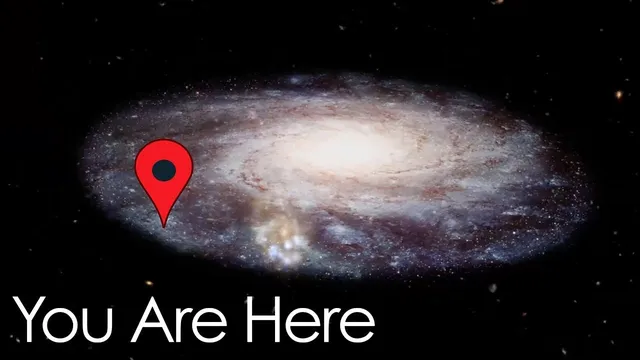
Anxiety shrinks when life is placed in cosmic context: a person’s worries feel enormous in the moment, but the entire human timeline is brief against the scale of the universe—and that perspective can free people to act with kindness instead of paralysis. The message begins by zooming outward from a single viewpoint to an unending dark space, emphasizing that a person is “tiny” on a “tiny rock” floating in “endless nothing.” Earth, in this framing, is a small, temporary platform that “will give you life” for a period that can feel long or vanish instantly, after which death arrives without explanation or certainty.
From there, the transcript argues that most of what feels permanent—status, relationships, achievements, even the meaning people attach to one another—fades. Friends and family may grieve, sometimes using therapy or coping techniques, but they too will die, and eventually every memory will thin out. Even impacts that reach more people will be absorbed by time, leaving later generations with only partial, often distorted impressions shaped by their own ideals. The core claim is stark: every person, every memory, and every label will be erased by time, so the stakes of a single stressful moment—an interview, a test, a difficult conversation—should be re-evaluated.
Yet the point isn’t nihilism for its own sake. The transcript pivots from impermanence to a practical takeaway: the “only real mistake” is failing to recognize the absurdity and freedom embedded in that shortness. Instead of treating life as a high-stakes verdict on one moment, it urges people to relax into the fact that they’re here on a planet that “births life” and supports consciousness, wonder, emotion, and thought. That awareness, it says, turns anxiety into permission—permission to explore, connect, and live fully.
The recommended response to stress is grounded in values rather than outcomes. Even if the worst happens—failing, saying the wrong thing, falling short—“worst case is you try your best.” The transcript closes by encouraging compassion, honesty, effort, and understanding, along with the ability to laugh, cry, love, and keep going. In the end, the central insight is that life’s meaning doesn’t depend on getting every moment perfect; it depends on how people show up while they’re here, and then move on when the moment passes—like everything else.
Cornell Notes
The transcript uses a cosmic “zoom out” to shrink everyday anxiety. It argues that humans live on a tiny planet for a brief, uncertain span, and that memories, labels, and even major impacts fade as everyone eventually dies. That impermanence is presented as liberating: the only real failure is not recognizing life’s absurdity and freedom. Instead of freezing over high-stakes moments, people are urged to try their best, be kind and decent, and keep living—exploring, connecting, and moving on when outcomes don’t go perfectly.
Why does putting everyday stress in cosmic perspective matter, according to the transcript?
What happens to meaning, achievements, and relationships over time in this worldview?
How does the transcript avoid turning the message into pure nihilism?
What does “worst case” look like, and what should people do anyway?
Which stressful situations are implicitly targeted by the message?
Review Questions
- How does the transcript’s “zoom out” from Earth to cosmic space change the way it treats the stakes of a stressful moment?
- What does the transcript identify as the “only real mistake,” and how does that reframing alter how someone should respond to anxiety?
- According to the transcript, what should people prioritize when outcomes are uncertain—values, results, or something else?
Key Points
- 1
Treat everyday anxiety as a mismatch between perceived stakes and the universe’s timescale.
- 2
Recognize that life on Earth is temporary and that death arrives without certainty or control.
- 3
Expect that memories and reputations fade, even for people who mattered to others.
- 4
Use impermanence as a source of freedom to relax, wonder, and engage with life rather than freeze.
- 5
Respond to high-pressure moments by focusing on character and effort: compassion, honesty, understanding, and trying your best.
- 6
Accept that failure or awkward outcomes are survivable and should be followed by moving on.
- 7
Choose connection and enjoyment—love, laughter, tears, and exploration—regardless of whether events go perfectly.