Are you efficient or effective?
Based on Ali Alqaraghuli, PhD's video on YouTube. If you like this content, support the original creators by watching, liking and subscribing to their content.
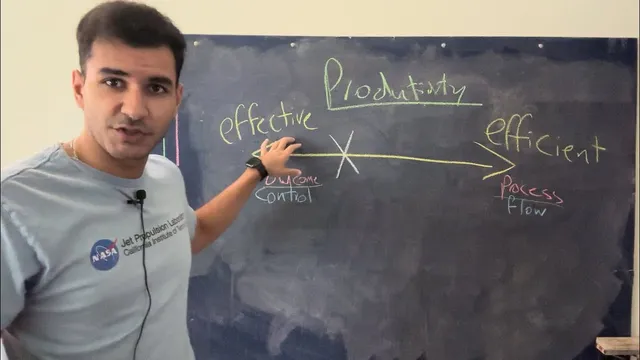
Effectiveness is outcome control—working on the right target—while efficiency is process control—doing tasks quickly and well.
Briefing
Success hinges less on how hard people work and more on whether they’re working on the right target. Effectiveness is about outcomes—controlling what happens—while efficiency is about process—getting work done quickly and well. Confusing the two leads to a common trap: people can be highly efficient, clocking long hours and producing lots of output, yet still miss the life or career they’re aiming for because the underlying effort isn’t aligned with the outcome.
A useful way to sort this out starts with one question: what does someone actually want? Clear goals make effectiveness more likely, because effectiveness means “working on the right thing,” not merely doing tasks well. The transcript contrasts two personal patterns to illustrate the gap. During college and graduate school, Ali Alqaraghuli described having inefficient habits—such as submitting papers and assignments late due to undiagnosed ADHD—yet still being effective because decisions were driven by desired outcomes (internships, a PhD program, and a NASA job). The key point: effectiveness can compensate for poor process, because outcome-focused choices steer effort toward what matters.
From there, the discussion builds an “effective–efficient spectrum,” framed as control versus flow. At the outcome-control extreme, people tend to freeze: procrastination grows, fear of failure takes over, and analysis paralysis can consume weeks—planning in circles instead of acting. At the opposite extreme, people become deeply process-oriented and diligent, but they stop checking whether the work is actually the right work. The transcript argues this end can be even worse in practice because it risks sustained effort on the wrong direction.
Between those extremes sit healthier zones. In early stages—like figuring out a major, launching a business, or steering a new career—action and experimentation matter, but the focus remains on outcomes. Alqaraghuli describes switching majors four times, using fast trials and semester-by-semester feedback to find the right fit, eventually settling on electrical engineering and later systems. As goals become clearer, the balance shifts: less time is spent rethinking the outcome, and more energy goes into nurturing progress. Even then, the transcript warns against going “all in” on process alone; startups pivot quickly, so periodic outcome checks remain essential.
The framework then adds a counterintuitive twist: happiness belongs on the spectrum too. People high on outcome control often become more anxious and socially constrained—saying no more often, staying future-focused, and feeling less present. In contrast, leaning toward flow supports enjoyment of the work itself. A personal example describes months of intense, outcome-driven labor tied to a NASA telescope mission, with long workdays and strict isolation to ensure business progress. The result: productivity rose, but happiness dropped because the day-to-day tasks (like writing and marketing) stopped feeling rewarding.
The practical takeaway is to manage both variables—productivity (outcome effectiveness) and happiness (flow)—in both the short term and long term. Humans can’t eliminate the tension between control and flow; over-controlling burns people out, while over-flowing can derail direction. The goal is to place attention where it belongs for the moment, so effort translates into the life people actually want.
Cornell Notes
Effectiveness and efficiency are different levers. Effectiveness is outcome control—choosing and pursuing the right target—while efficiency is process control—doing tasks quickly and well. Productivity comes from combining both, but the “effective–efficient spectrum” also includes a control-vs-flow tension: too much outcome control can cause procrastination and analysis paralysis, while too much process focus can mean working hard on the wrong thing. The transcript adds a second axis: happiness. High outcome control often increases anxiety and reduces enjoyment, so people should balance productivity with happiness by adjusting their focus over time as goals become clearer.
How do effectiveness and efficiency differ, and why does that distinction matter for real progress?
What does “control vs flow” mean in the spectrum, and what goes wrong at each extreme?
How can someone be effective even with inefficient habits?
What does the transcript recommend for early-stage versus later-stage goal work?
Why does happiness belong in the same decision framework as productivity?
What practical method does the transcript suggest for balancing effectiveness, efficiency, and well-being?
Review Questions
- What are two concrete signs that someone is being efficient but not effective?
- Describe one scenario where analysis paralysis would likely appear on the control end of the spectrum.
- How would you decide whether to shift your focus toward outcome control or toward flow during a busy work period?
Key Points
- 1
Effectiveness is outcome control—working on the right target—while efficiency is process control—doing tasks quickly and well.
- 2
Clear goals increase the odds of being effective because they guide which efforts deserve attention.
- 3
Being too outcome-focused can trigger procrastination, fear of failure, and analysis paralysis through endless planning.
- 4
Being too process-focused can produce lots of work without direction, risking sustained effort on the wrong priorities.
- 5
Productivity comes from combining effectiveness and efficiency, but humans also need flow to stay sustainable.
- 6
Happiness is a necessary counterweight: heavy outcome control can increase anxiety and reduce enjoyment of the work.
- 7
Balance productivity (outcomes) with happiness (present-moment experience) by adjusting focus over time as goals become clearer.