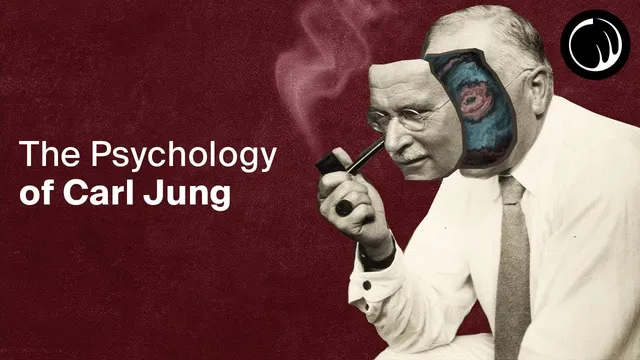
Becoming Your True Self - The Psychology of Carl Jung
Based on Pursuit of Wonder's video on YouTube. If you like this content, support the original creators by watching, liking and subscribing to their content.
Jung’s “true self” is approached through individuation: integrating unconscious contents into conscious awareness to achieve wholeness.
Briefing
Carl Jung’s psychology frames “becoming your true self” as a process of integrating the parts of the mind that operate outside conscious control—especially the shadow—so a person can move toward wholeness rather than living on autopilot. The core claim is that people often experience their thoughts and choices as if they were steering, but much of that “navigation” is driven by unconscious contents pressing upward. Individuation, Jung’s central concept, is the lifelong task of making more of that unconscious material conscious and folding it into a unified, authentic personality.
Jung’s model divides the psyche into consciousness, the personal unconscious, and the collective unconscious. Consciousness includes the ego, which maintains a continuous sense of identity through a narrative about oneself. The persona—an outward social mask—helps people fit roles and expectations, but it can become disconnected from who they truly are. What the ego rejects or represses doesn’t vanish; it is pushed into the personal unconscious, where it continues to influence behavior and feelings.
The distinctive leap comes with the collective unconscious: inherited psychological structures shaped across human history. Jung argued that human minds carry universal predispositions, evidenced by recurring motifs, symbols, and themes appearing in patients’ dreams and in myths, art, and literature across cultures that had little contact. These universal patterns are archetypes, which Jung treated as building blocks that shape personality by predisposing certain ways of thinking and perceiving.
Within this system, Jung also describes the shadow as the repository of repressed, denied, and unknown aspects of the self. Nested within the shadow are animus and anima—suppressed masculine qualities in a man and suppressed feminine qualities in a woman. The “self” sits at the center of the whole framework: the combined totality of conscious and unconscious that represents what a person truly is, desires, and is capable of. Individuation aims to bring the ego and persona into closer alignment with this deeper center.
The practical and moral emphasis is radical self-acceptance grounded in radical self-honesty. Jung portrays growth as descending into the unconscious—examining feelings, thoughts, and actions without denial—and then integrating what is found, rather than rushing back up the stairs. The shadow cannot be evaded; ignoring it tends to worsen it, turning small repressions into larger problems. Jung’s warning is blunt: awareness of one’s dark side is necessary for recognition and repair, because healing begins with admitting vulnerability—“being sick,” in his terms.
In the end, Jung’s work offers a psychological “controls” metaphor: by learning how the inner system works—especially the shadow—people can better choose their direction. The promise is not perfection, but a more fulfilled life through wholeness, authenticity, and the steady integration of what the mind has tried to hide.
Cornell Notes
Jung’s psychology treats “true self” as the product of integrating unconscious material into conscious life. The ego and persona help maintain identity and social roles, but repression pushes unwanted traits into the personal unconscious. Beyond that, the collective unconscious contains inherited archetypes—universal psychological patterns—seen in recurring symbols across dreams, myths, and art. Individuation is the process of making more of this hidden material conscious, especially by confronting and integrating the shadow, which cannot be escaped through denial. The payoff is greater alignment between the persona/ego and the self, supporting a more authentic, whole, and fulfilled life.
What does Jung mean by “individuation,” and why is it central to becoming your true self?
How do ego and persona shape identity, and how can they drift away from the “true self”?
What distinguishes the personal unconscious from the collective unconscious?
What are archetypes, and how do they influence personality?
Why does Jung treat the shadow as unavoidable, and what happens when it’s denied?
How do animus and anima fit into Jung’s picture of the unconscious?
Review Questions
- How does Jung’s concept of the persona differ from the ego, and what risks arise when the persona becomes disconnected from the self?
- In Jung’s model, what evidence is used to support the idea of a collective unconscious and archetypes?
- Why does Jung argue that integrating the shadow is necessary for psychological healing, and what does denial tend to do instead?
Key Points
- 1
Jung’s “true self” is approached through individuation: integrating unconscious contents into conscious awareness to achieve wholeness.
- 2
The ego maintains identity through a personal narrative, while the persona is a social mask that can conceal the real person.
- 3
Repressed traits don’t disappear; they move into the personal unconscious and continue to shape feelings and behavior.
- 4
The collective unconscious contains inherited archetypes, reflected in recurring symbols and motifs across dreams, myths, and art.
- 5
The shadow holds repressed, denied, and unknown aspects of the self; it cannot be escaped through denial.
- 6
Animus and anima describe suppressed masculine or feminine qualities that influence inner life and behavior.
- 7
Radical self-honesty and radical self-acceptance are portrayed as prerequisites for integrating the shadow and moving toward authenticity.