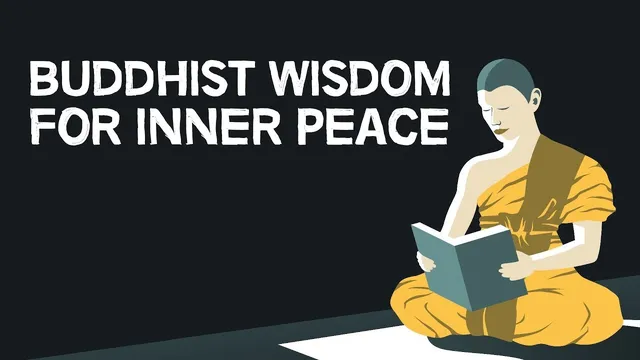
Buddhist Wisdom For Inner Peace
Based on Einzelgänger's video on YouTube. If you like this content, support the original creators by watching, liking and subscribing to their content.
Attachment to uncontrollable things intensifies suffering by clashing with impermanence; peace comes from valuing the present while accepting change.
Briefing
Buddhist teachings on inner peace trace a clear chain: clinging and craving destabilize the mind, sensual indulgence invites moral collapse, and only disciplined mental training can free people from that cycle. The practical payoff is a calmer life rooted in the present moment—without denying that suffering exists, but using it as fuel for insight and compassion.
At the center is the Dhammapada’s diagnosis of why people suffer. Attachment to things outside one’s control collides with impermanence—youth fades, relationships end, and even success eventually disappears. The remedy is not numbness but a “deep appreciation” of what is happening now while recognizing that everything changes and must be released. Craving is treated as a related poison: desire can make the mind restless and even physically unwell, yet Buddhism does not demand the destruction of all desire. Monks desire enlightenment, and ordinary people may seek relief from pain; the key is to want the right things and train the mind against the wrong impulses.
That distinction becomes sharper when sensual pleasure enters the picture. Sensual pleasures themselves are not condemned, but indulgence can grow into greed, gluttony, addiction, and loss of self-control. In Buddhist framing, that loss of control opens the door to Mara—a force that steers people toward wrongdoing and keeps them trapped in misery. The consequences can be severe and far-reaching: fear, dissatisfaction, and craving can lead to degrading, exploiting, attacking, and even harming oneself, other people, animals, and the environment.
The teachings also insist that suffering is not merely an obstacle to discard. Trying to throw away the “darker sides” of life entirely is likened to discarding a lotus along with the rubbish it grows from. Pain can become “fertilizer” for growth—sparking compassion and creativity—and even the Buddha’s own suffering is presented as a turning point toward enlightenment.
Inner peace is further supported by social and mental discipline. Wise company matters: Buddhism recommends surrounding oneself with people who follow the path, and warns that foolish or harmful influences can derail progress—sometimes even making solitude preferable. The cornerstone practice is meditation, aimed at freeing the mind from runaway thought. When people stop identifying with thoughts and reduce overthinking, they become present, unburdened by craving and by fixation on past and future.
Finally, Buddhism links short-term wrongdoing to long-term consequences through karma and reincarnation. Evil may feel rewarding immediately—through pleasure, avoidance of discomfort, or temporary advantage—but the “ripening” arrives later as addiction, loss of trust, and painful outcomes that can extend beyond this life. The overall message is summed up as reaping what one sows: inner peace depends on loosening attachment, directing desire wisely, resisting sensual excess, and cultivating a trained, liberated mind.
Cornell Notes
Buddhist wisdom for inner peace centers on a cause-and-effect chain: attachment and craving destabilize the mind, indulgence in sensual pleasures fuels moral and psychological collapse, and only disciplined mental training can break the cycle. The Dhammapada’s guidance treats suffering as both real and useful—pain can generate compassion and insight rather than only harm. Desire is not rejected wholesale; the focus is on wanting the right things (like relief from pain or enlightenment) while guarding against craving that leads to wrongdoing. Meditation is presented as the practical cornerstone, helping people stop identifying with thoughts and become present. Karma and reincarnation extend the consequences of actions beyond immediate gratification, reinforcing the need for ethical restraint.
Why does Buddhism connect attachment to suffering, and what does “impermanence” change about how people should live?
If craving is harmful, why does Buddhism still allow desire—what counts as “the right things”?
How does the pursuit of sensual pleasure become dangerous in this framework?
What does it mean to say “from misery grows beauty,” and how is suffering used constructively?
What role do meditation and “a trained mind” play in achieving happiness?
How do karma and reincarnation connect wrongdoing to long-term consequences?
Review Questions
- Which distinctions does this teaching make between attachment, craving, and desire—and how do those distinctions affect what “inner peace” requires?
- How do meditation and ethical restraint work together in this framework to reduce craving and resist Mara?
- What does karma and reincarnation add to the argument about why short-term pleasure can still lead to long-term suffering?
Key Points
- 1
Attachment to uncontrollable things intensifies suffering by clashing with impermanence; peace comes from valuing the present while accepting change.
- 2
Craving is treated as mentally poisonous, but desire is not rejected—wanting relief from pain or enlightenment is considered legitimate.
- 3
Indulgence in sensual pleasures can escalate into greed, addiction, and loss of self-control, opening the door to Mara and wrongdoing.
- 4
Suffering is not only an obstacle; it can generate compassion and creativity, functioning like “fertilizer” for growth.
- 5
Wise company supports progress, while harmful influences can make solitude preferable to staying around fools.
- 6
Meditation aims to stop identifying with thoughts and to quiet overthinking so people can be present and unburdened by craving.
- 7
Short-term wrongdoing can feel rewarding, but karma and reincarnation frame consequences as inevitable and sometimes delayed.