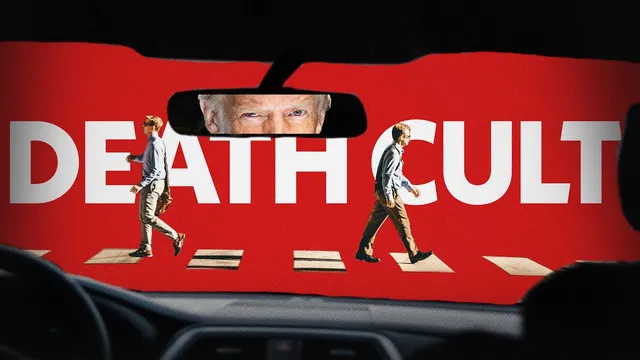
Car Country
Based on Second Thought's video on YouTube. If you like this content, support the original creators by watching, liking and subscribing to their content.
Automatic emergency braking for trucks and hot-car prevention technology were among the safety requirements delayed for an additional year, with the transcript warning that delays can become permanent.
Briefing
Car safety rules are being rolled back in ways that could translate into tens of thousands of additional deaths and injuries, and the broader system that produced “car country” is built to protect automakers rather than the public. The immediate trigger is a pattern of delayed or weakened federal transportation regulations—especially those tied to vehicle crash prevention and pedestrian protection—paired with industry influence inside government.
A key example is the National Highway Traffic Safety Administration’s NCAP-style vehicle safety ratings and related requirements. Newer protections added at the end of the Biden administration—such as automatic emergency braking for trucks and technology intended to prevent children from dying in hot cars—were pushed back by the Trump administration for an extra year. The concern isn’t just the delay itself; it’s the precedent that temporary rollbacks often become permanent. Similar setbacks were described for other safety measures, including underride guards on the bottoms of trucks to prevent cars from sliding underneath and being crushed, and seat-belt reminder requirements. Beyond cars and trucks, the same regulatory retreat was linked to reductions in limits on bus and subway driver hours, weaker plane cockpit barriers against hijacking, looser motorcycle helmet safety requirements, and reduced rail safety standards for dangerous cargo.
The transcript also ties these changes to lobbying power and personnel conflicts. Ground transportation is described as the sixth most heavily lobbied sector in the U.S., and at least 32 officials at the Department of Transportation were said to have direct industry ties, including the transportation secretary, portrayed as having worked as a lobbyist for transportation companies immediately before appointment. An investigation by ProPublica is cited as identifying roughly 30 other regulatory moves that, using the DOT’s own estimates, could threaten about a,000 lives and 40,000 injuries per year.
But the argument goes further than current policy. It frames the U.S. shift toward car dependence as a long-running political and legal project rather than a simple story of consumer preference. While a popular narrative credits Henry Ford and the Model T with making cars “inevitable,” the transcript argues that streetcars and trolley systems were undermined through coordinated pressure from car and oil interests. It points to the period between 1938 and 1950, when companies including General Motors, Standard Oil, and Firestone Tire allegedly worked to eliminate light rail—buying systems and replacing them with buses and personal automobiles—while later facing conspiracy findings and small fines.
The transcript then describes how the car-first system is reinforced by subsidies and law: parking minimums and zoning rules that favor single-family-only development, mortgage interest deductions that make homeownership cheaper than renting, and resulting sprawl that makes transit less viable. It also highlights how costs of driving are shifted away from drivers and onto the broader public. In Massachusetts, car owners are said to pay less than half of the state’s car and truck budget directly, leaving an estimated $14,000 per person per year in indirect costs.
Finally, the safety critique is legal and cultural. U.S. regulations are portrayed as prioritizing occupants inside vehicles rather than protecting pedestrians first, and courts are described as applying low expectations for driver safety through ordinary negligence standards rather than stricter liability. Hit-and-run consequences are described as rare even when injuries or deaths occur, and pedestrians are said to be blamed through concepts like jaywalking—presented as a term invented by the car industry during the 1920s when deaths rose.
Taken together, the transcript’s core claim is that Americans are being “sacrificed for corporate convenience” because the political system treats automakers and drivers as if they can do no wrong—leaving the public with fewer choices and weaker protections in the name of profit.
Cornell Notes
The transcript links two things: a recent wave of weakened U.S. vehicle and transportation safety rules, and the deeper legal and economic structure that made the country dependent on cars. It cites delays to safety requirements such as automatic emergency braking for trucks and hot-car prevention tech, plus rollbacks affecting underride protection, seat-belt reminders, and other modes like buses, planes, motorcycles, and trains. It argues that lobbying and industry-linked regulators help drive these outcomes, with ProPublica reporting dozens of deregulatory moves that could threaten thousands of lives annually. The broader historical section claims car dominance wasn’t just consumer choice—it was shaped by industry pressure, zoning, parking policy, tax incentives, and court treatment that often shifts blame away from drivers and toward pedestrians.
What specific safety protections were delayed or weakened, and why does the transcript treat the delays as dangerous?
How does industry influence inside government factor into the safety rollback claim?
What historical explanation is offered for how the U.S. became “car country”?
How do zoning, parking, and tax policy reinforce car dependence according to the transcript?
What legal and cultural mechanisms does the transcript say reduce accountability for drivers?
Review Questions
- Which delayed or weakened safety requirements are named, and what mechanism does the transcript claim turns delays into long-term harm?
- How does the transcript connect zoning and tax incentives to transit ridership and commute patterns?
- What differences does the transcript draw between how courts treat driver harm and how other harms are treated?
Key Points
- 1
Automatic emergency braking for trucks and hot-car prevention technology were among the safety requirements delayed for an additional year, with the transcript warning that delays can become permanent.
- 2
Underride protection for trucks, seat-belt reminder requirements, and other safety rules were also pushed back, alongside rollbacks affecting buses, planes, motorcycles, and rail.
- 3
Ground transportation is portrayed as a highly lobbying-driven sector, with the transcript citing extensive industry ties among DOT officials, including the transportation secretary.
- 4
ProPublica is cited as documenting roughly 30 deregulatory moves that could threaten thousands of lives and tens of thousands of injuries annually based on DOT estimates.
- 5
The transcript argues car dependence was shaped by industry pressure and legal restructuring—not just consumer preference—citing alleged rail system buyouts and replacements in the 1938–1950 period.
- 6
Parking minimums, single-family-only zoning, and the mortgage interest tax deduction are presented as policy tools that increase sprawl and make transit less viable.
- 7
The legal system is described as prioritizing vehicle occupants over pedestrians and applying low liability expectations to drivers, contributing to weak accountability and public blame-shifting.