Chernobyl - What It's Like Today
Based on Veritasium's video on YouTube. If you like this content, support the original creators by watching, liking and subscribing to their content.
Reactor No. 4’s meltdown on April 26, 1986 released radioactive isotopes that spread beyond the immediate site and into Europe, leaving contamination detectable decades later.
Briefing
Chernobyl’s 1986 reactor disaster still shapes the landscape today—not only through lingering radiation, but through decades of abandonment and decay that make the contamination feel like a “post-apocalyptic” world. Reactor No. 4 suffered a catastrophic meltdown on April 26, 1986, generating so much heat that it blew the top off and spread radioactive isotopes across the surrounding region and into parts of Europe. That fallout is why contamination can still be detected decades later, even in places that look calm and ordinary.
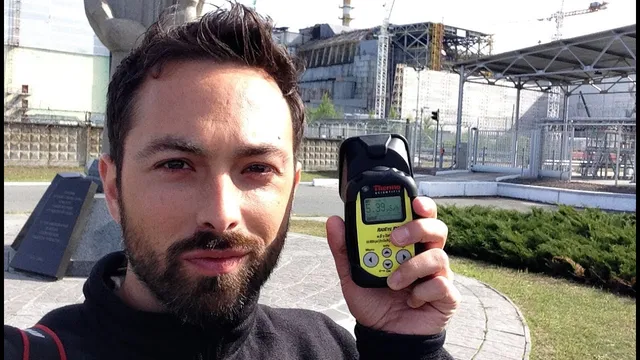
The site’s most visible legacy is the damaged reactor’s containment and the way time has treated it. The original structure was sealed under a sarcophagus that is now crumbling with age. A new containment facility is being built to slide over the old sarcophagus once completed, effectively enclosing the deteriorating remains and reducing further release risks.
Just a few kilometers away, the town of Pripyat—built mainly to house families of reactor workers—was emptied almost overnight. Residents were told they would be gone for only two weeks, so many left belongings behind, assuming a quick return. Instead, the town became permanently abandoned. Today, high-rise Soviet apartments sit empty and collapsing, while forest growth steadily reclaims streets and buildings. The result is a striking contrast: recognizable everyday spaces—schools, theaters, apartments—surrounded by nature taking over.
Inside Pripyat, the atmosphere is often described as eerily peaceful. In an old kindergarten, the quiet stillness underscores a key point about radiation: it is “insidious” precisely because it is invisible. People cannot feel it, smell it, or see it, so an area can appear pristine while remaining contaminated. That disconnect turns the zone into a real-world lesson in how danger can persist without obvious warning signs.
Near the reactor lies the “red forest,” named for the trees that died after radioactive material was deposited there. The leaves turned red in a way that resembles autumn, leaving a lasting visual marker of the accident’s ecological impact.
The abandoned theater and other public spaces add another layer to the story: the disaster didn’t just remove people—it froze a culture in place. The stage, old lighting, and layered walkways evoke packed performances and familiar routines, even as the structures crumble. The broader takeaway is stark: if humans vanished suddenly, the built environment would decay into nature’s takeover within a human lifetime, and Chernobyl shows what that process looks like when invisible contamination is layered on top of physical ruin.
Cornell Notes
Chernobyl’s 1986 meltdown released radioactive isotopes that spread across the region and into Europe, leaving contamination detectable decades later. Reactor No. 4 was sealed under a sarcophagus that has since begun to crumble, and a new containment facility is being built to slide over it. Pripyat, built for reactor workers’ families, was evacuated with promises of a two-week absence; residents left belongings behind and never returned. Today the town’s empty apartments, overgrown streets, and decaying interiors illustrate both long-term weathering and the eerie invisibility of radiation. The “red forest” near the reactor—where trees died and leaves turned red—adds a vivid ecological reminder of the accident’s lasting effects.
Why is Chernobyl still considered contaminated even after decades?
What is happening to the reactor’s containment structures?
How did the evacuation of Pripyat shape what remains there now?
What makes radiation especially difficult to manage in everyday terms?
What is the “red forest,” and what does it illustrate?
Why do abandoned public spaces in Pripyat feel especially haunting?
Review Questions
- What sequence of events links the April 26, 1986 meltdown to detectable contamination today?
- How do the new containment plans relate to the condition of the existing sarcophagus?
- What does the Pripyat evacuation story reveal about how people respond to risk when danger is invisible?
Key Points
- 1
Reactor No. 4’s meltdown on April 26, 1986 released radioactive isotopes that spread beyond the immediate site and into Europe, leaving contamination detectable decades later.
- 2
The original sarcophagus over Reactor No. 4 is deteriorating, and a new containment facility is being built to slide over it once complete.
- 3
Pripyat’s evacuation was framed as temporary (two weeks), which led residents to leave belongings behind and never return.
- 4
Radiation’s invisibility—no smell, no sensation, no visible cue—creates a dangerous mismatch between appearance and safety.
- 5
Abandoned infrastructure in Pripyat shows how quickly nature and weathering can reclaim built environments over 30 years.
- 6
The “red forest” demonstrates the ecological impact of fallout, with tree death and red foliage marking the contamination zone near the reactor.