Create a Reading Plan That Solves Your Problems
Based on Daily Atomic Steps's video on YouTube. If you like this content, support the original creators by watching, liking and subscribing to their content.
Progress stalls when learning materials don’t match the specific problem blocking a goal.
Briefing
Personal development stalls when people consume “productive” content that doesn’t match the real problem they’re trying to solve. The core fix is to stop treating learning as a stream of generic motivation and instead treat it like tool use: if the wrong tool is being sharpened, progress won’t show up—even when effort is high. The transcript’s central metaphor compares personal growth content to sharpening a knife while trying to cut down a tree with a saw. The issue isn’t sharpening; it’s using the wrong instrument for the job.
That mismatch often happens even when the content seems helpful on the surface. People may binge books, podcasts, and finance or business videos, yet still feel stuck because the material isn’t aligned with their specific goals—or with the specific bottleneck blocking those goals. The proposed alternative is a problem-first reading plan that targets the constraints that actually hold someone back. Progress comes from solving one problem at a time, then moving to the next, rather than trying to juggle everything at once. Since attention is limited, the plan should prioritize: identify the most critical problems first, address them, and only then tackle the next tier.
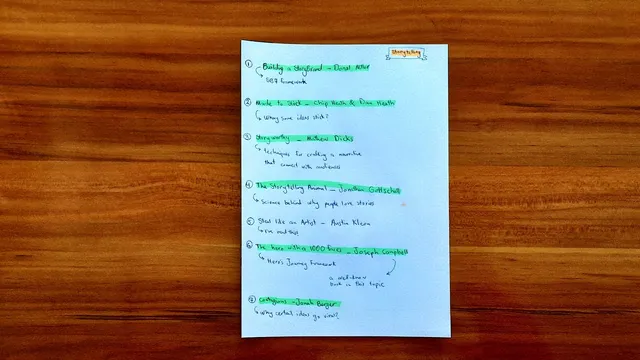
To make this practical, the transcript recommends designing a personal “curriculum” the way schools do. Instead of passively consuming whatever content is trending, a person lists their problems and assigns relevant materials to each one. The plan can be time-bound—for example, building a 90-day reading sequence for the top priority problem, then shifting to the next cluster afterward. The goal isn’t to read everything; it’s to consume only what directly supports the next step in solving the most important issues. The payoff is incremental improvement across health, wealth, relationships, or any other goal, because each act of learning is paired with action.
A mentor-like shortcut is also offered: use ChatGPT to generate a reading list tailored to a specific need. The example centers on marketing—something the speaker describes as a weakness. Rather than reading broadly across marketing books, the person explained the exact situation in detail: marketing for a business in a non-English language, the need to improve landing pages, and additional problems to address. ChatGPT then produced a targeted reading list, from which the person read the first book and continued through the rest.
The closing instruction is blunt: don’t let the plan become another form of scrolling. Write down the problems on paper, search for a roadmap that fits them, build a prioritized reading plan, and start “sharpening the right tool” immediately—today—by taking action on the first relevant step.
Cornell Notes
Stagnation in personal growth often comes from consuming content that doesn’t match the real problem blocking progress. The transcript argues for a prioritized, problem-based reading plan: pick the most critical issues first, solve one at a time, and build a curriculum of materials that directly support each problem. It recommends time-boxing the plan (e.g., a 90-day sequence) and then moving to the next priority cluster. A practical method is using ChatGPT by describing a specific goal and constraints in detail to generate a tailored reading list. The emphasis is on pairing learning with action rather than turning content consumption into another form of scrolling.
Why can “productive” personal development content still fail to create progress?
How does the transcript suggest deciding what to read first?
What does building a “curriculum” for life look like in practice?
How can ChatGPT function as a “mentor” for creating a reading plan?
What’s the action-oriented takeaway meant to prevent mindless consumption?
Review Questions
- What specific mismatch between content and goals does the tool metaphor highlight, and how would you detect that mismatch in your own habits?
- How would you design a 90-day curriculum for your top priority problem—what inputs would you list, and what would you exclude?
- What details would you provide to ChatGPT to generate a reading list that’s actually aligned with a concrete problem (not a generic interest)?
Key Points
- 1
Progress stalls when learning materials don’t match the specific problem blocking a goal.
- 2
Use a problem-first approach: solve one priority issue at a time instead of consuming broadly.
- 3
Prioritize problems by impact, then build a time-boxed reading plan (e.g., 90 days) for the top tier.
- 4
Treat learning like a curriculum: assign materials to each problem rather than following whatever content is popular.
- 5
Avoid “mindless scrolling” by pairing consumption with action on the next step.
- 6
For targeted guidance, provide detailed context to ChatGPT to generate a reading list for a specific need.
- 7
Start the plan immediately—write problems down and begin sharpening the right tool today.