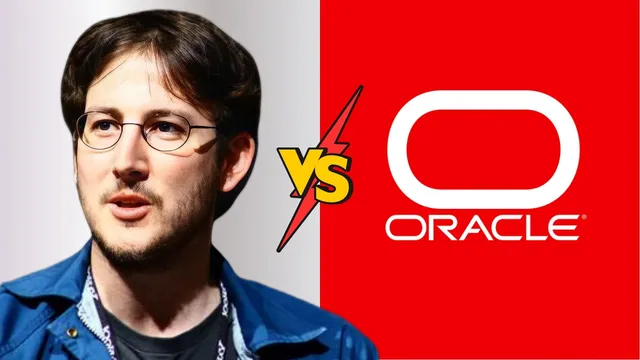
Creator Of Deno vs Oracle
Based on The PrimeTime's video on YouTube. If you like this content, support the original creators by watching, liking and subscribing to their content.
Oracle owns the “JavaScript” trademark through Sun Microsystems’ legacy, and the dispute centers on whether that ownership should be canceled.
Briefing
A trademark cancellation fight over the term “JavaScript” is moving forward, with Oracle filing a motion to dismiss after receiving a petition from the Deno project’s creator. The dispute matters because it targets whether “JavaScript” functions as a generic name for a technology used across many products—or whether Oracle can keep exclusive trademark control despite having no direct product tied to the term.
The core background is that Oracle owns the “JavaScript” trademark through its acquisition of Sun Microsystems, which had a partnership with Netscape in the late 1990s. That ownership has long surprised developers, especially since the trademark standard is formally referred to as “ECMAScript,” a naming choice intended to avoid trademark entanglements. The practical effect is an atmosphere of uncertainty: even when companies build runtimes, tools, or books that use “JavaScript” in their branding, they may worry about future legal pressure.
The petition for cancellation, filed by the Deno-side effort, includes three main claims. First, “JavaScript” is argued to be generic—describing a language used by many implementations rather than a single source-identifying product. The petition points to multiple engines and implementations (including V8 and SpiderMonkey) and to the open nature of the language.
Second, the petition argues the trademark has been abandoned because Oracle allegedly hasn’t maintained and enforced it in a way trademark law requires. The argument cites the continued existence of millions of “JavaScript” books and materials sold through major retailers that do not describe Oracle products.
Third, the petition alleges fraud in Oracle’s 2019 renewal filing, claiming Oracle submitted evidence that included a screenshot from a project unrelated to Oracle—specifically a “no. js” site—while Oracle later countered with a different screenshot showing “JavaScript” usage on an Oracle website via Oracle JET. The dispute here is less about whether “JavaScript” appears somewhere, and more about whether Oracle’s renewal evidence was accurate and properly controlled.
Oracle’s response so far is described as a motion to dismiss focused on the fraud claim. The petitioners expect months of back-and-forth, including discovery and procedural steps before the Trademark Trial and Appeal Board (TTAB), where the claims will be narrowed and argued. The fraud allegation is treated as the hardest to prove because it requires showing intent, not just error.
Beyond the immediate legal process, the discussion highlights a broader risk calculation: if Oracle ever chose to enforce the trademark aggressively, it could trigger widespread renaming efforts and public backlash across authors, tooling, and educational materials. The speaker argues that Oracle’s incentives likely don’t favor that kind of disruption, especially since Oracle doesn’t appear to sell a product that depends on “JavaScript” as a brand.
The conversation also draws a comparison to TypeScript. The argument is that TypeScript is different because Microsoft created it, controls the primary implementation (TSC), and the trademark situation is tied to a maintained ecosystem. Finally, the creator emphasizes that Deno’s corporate structure provides standing to bring the case, and notes that legal costs may rise during discovery, with a call for people to sign an open letter at javascript.tm to build awareness and support.
Cornell Notes
Oracle’s ownership of the “JavaScript” trademark is being challenged through a cancellation petition backed by the Deno project’s creator. The petition argues that “JavaScript” is a generic term for an open language used by many implementations (citing engines like V8 and SpiderMonkey), that Oracle abandoned the mark by not enforcing it, and that Oracle committed fraud in its 2019 renewal by using screenshots allegedly unrelated to Oracle. Oracle responded with a motion to dismiss, focusing on the fraud claim, and the dispute is expected to proceed through TTAB procedures with months of procedural back-and-forth. The outcome could affect how freely developers, authors, and companies use “JavaScript” branding, making the case significant for the broader ecosystem.
Why does Oracle’s trademark ownership of “JavaScript” create friction in practice?
What are the three cancellation claims in the petition?
How did Oracle respond after the petition was filed?
Why is the fraud claim considered the hardest to win?
What is TTAB, and why does it matter for timeline and procedure?
How does the discussion distinguish “JavaScript” from “TypeScript” in trademark terms?
Review Questions
- What factual basis does the petition use to argue that “JavaScript” is generic rather than source-identifying?
- Which claim is Oracle’s motion to dismiss currently focused on, and what makes that claim harder to prove?
- How might aggressive trademark enforcement change incentives for Oracle and affect developers, authors, and tooling ecosystems?
Key Points
- 1
Oracle owns the “JavaScript” trademark through Sun Microsystems’ legacy, and the dispute centers on whether that ownership should be canceled.
- 2
The cancellation petition argues “JavaScript” is generic, citing multiple independent implementations and engines such as V8 and SpiderMonkey.
- 3
The petition also claims abandonment by pointing to ongoing, widespread “JavaScript” use in books and materials that do not reference Oracle products.
- 4
A third claim alleges fraud in Oracle’s 2019 renewal filing based on disputed screenshots, with Oracle responding by pointing to alternative evidence tied to Oracle JET.
- 5
Oracle’s initial response is a motion to dismiss focused on the fraud claim, and the case is expected to proceed with months of procedural filings and discovery.
- 6
The dispute will be handled through TTAB procedures, where claims and evidence will be narrowed before any final decision.
- 7
The discussion suggests that aggressive enforcement would likely trigger broad public backlash and widespread renaming efforts, which may not align with Oracle’s incentives.