Don’t Deny Your Shadow – A Personal Story
Based on Einzelgänger's video on YouTube. If you like this content, support the original creators by watching, liking and subscribing to their content.
Jung’s Shadow refers to unwanted traits stored in the unconscious, and denying them can make them intensify rather than disappear.
Briefing
A childhood experience with a “manly” stepfather who despised weakness becomes a case study in Carl Jung’s Shadow theory: when people disown parts of themselves, those traits don’t disappear—they return as psychological projection onto others. The result can look like moral certainty and rage, but it often tracks back to hidden self-hatred, repression, and the emotional cost of denying what feels unacceptable.
The narrator describes moving to a new town at around age eleven after their mother rekindled a relationship with her childhood sweetheart. Early on, the man was presented as strong, responsible, and caring—ideal stepdad material. Soon, however, cracks surfaced. He became abusive and volatile, yelling, accusing, and threatening, and he singled out the narrator and younger brother with contempt. He repeatedly used a Dutch insult meaning “wussy” or “wimp,” not only for others but also for his own sons, and he would even mock weakness on television.
A vivid example comes from watching the film “The Fly,” where a character’s arm breaks during an arm-wrestling scene. While the narrator found the moment brutal, the stepfather’s reaction was harsher than the injury itself: he ridiculed the injured man as a “wimp,” dismissing pain as something that should not be dramatized. The same intolerance showed up in real life. When the narrator burned their hand or when the younger brother cried after falling, the response was fury and disgust—no room for vulnerability, fear, or visible suffering.
The story takes a darker turn with alcohol. The mother only learned after moving in that the man was a severe alcoholic, a problem tied to his divorce. Family members described fear and unpredictability when he drank. Eventually, the situation escalated to the point that public housing authorities helped arrange an urgent move. The narrator frames the irony sharply: the man who labeled others “wussy” escaped into a pub and alcohol when life became difficult, and after years of abuse he died relatively young, leaving his sons without a father.
Jungian psychology supplies the interpretive bridge. Jung’s Shadow refers to unwanted characteristics stored in the unconscious—traits people reject because their environment once punished or disallowed them. Jung also argued that the less someone integrates these disowned parts into conscious life, the “blacker and denser” the Shadow becomes. One consequence is psychological projection: attributing to others feelings, impulses, or traits that actually belong to oneself. In this lens, the stepfather’s rage at weakness in other men becomes a displaced hatred of his own vulnerability—something he was “not supposed to” have, so it was banished into the unconscious.
The narrator extends the idea beyond personal history. They cite Frank Fitts from “American Beauty” as an example of outward hatred masking repressed desire, and they point to online trolls targeting sexual minorities as a possible projection dynamic. They also describe their own projection after renouncing intimate relationships: irritation and anger at couples’ affection, rationalized as concern for others, may have been triggered by a repressed need for intimacy.
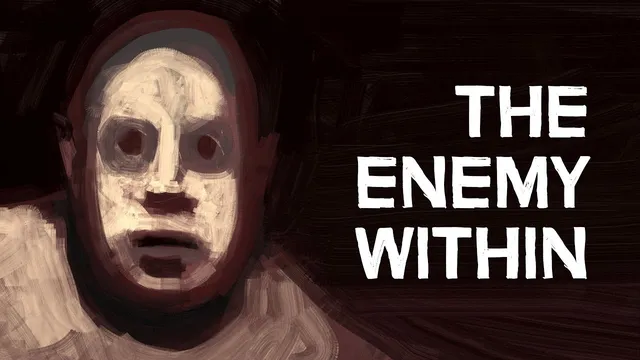
The closing message shifts from diagnosis to remedy. Projection can become a teacher if people recognize it rather than deny it. Jung’s “individuation” process involves integrating the Shadow—bringing rejected traits into awareness and giving them a place. Vulnerability can turn into empathy, creativity into self-expression, and aggression into usable energy. In that sense, denying the Shadow can turn into self-destruction, while embracing integration can transform an “enemy” inside into a “friend.”
Cornell Notes
The narrator uses a traumatic family story to illustrate Carl Jung’s Shadow and psychological projection. A stepfather who loudly mocked “weakness” later proved to be an alcoholic and emotionally unstable, suggesting his contempt was aimed at a vulnerability he couldn’t acknowledge in himself. Jung’s Shadow theory holds that disowned traits remain in the unconscious and can surface as projection—seeing in others what one rejects internally. The narrator connects this to examples like Frank Fitts in “American Beauty,” online harassment, and their own anger at couples after choosing celibacy. The takeaway is practical: recognizing projections can reveal repressed needs, and integrating the Shadow can reduce repression and improve self-acceptance.
What does Jung mean by “the Shadow,” and how does that concept fit the narrator’s stepfather?
How does “psychological projection” work according to the transcript, and what evidence is offered?
Why does the narrator connect the stepfather’s projection to alcoholism and eventual self-destruction?
What other examples are used to illustrate projection beyond the family story?
What does “integrating the Shadow” mean, and what benefits does the transcript claim?
Review Questions
- How does the transcript distinguish between disowned traits in the Shadow and the outward behaviors that look like “hatred” or “moral judgment”?
- In the narrator’s account, what specific moments demonstrate intolerance for weakness, and how are those moments reinterpreted through projection?
- What practical signs would suggest someone is “integrating” rather than continuing to repress and project?
Key Points
- 1
Jung’s Shadow refers to unwanted traits stored in the unconscious, and denying them can make them intensify rather than disappear.
- 2
Psychological projection involves attributing to others feelings or impulses that actually belong to the self.
- 3
The narrator’s stepfather mocked weakness in others while showing intolerance for pain and vulnerability in real life, aligning with a projection pattern.
- 4
Alcoholism is framed as a possible downstream effect of sustained repression and self-hatred, not as a separate personality flaw.
- 5
Projection can be turned into insight: noticing irritation or anger may reveal repressed needs or disowned qualities.
- 6
Integrating the Shadow—bringing rejected traits into awareness—can reduce repression and projection while improving self-acceptance.
- 7
Repressed traits may become strengths when acknowledged (vulnerability→empathy, creativity→expression, aggression→energy).