Existentialism & The Internet - Why We’re Getting More Anxious
Based on Pursuit of Wonder's video on YouTube. If you like this content, support the original creators by watching, liking and subscribing to their content.
The internet can intensify anxiety by making contradictory guidance about life constantly visible, preventing stable decision-making.
Briefing
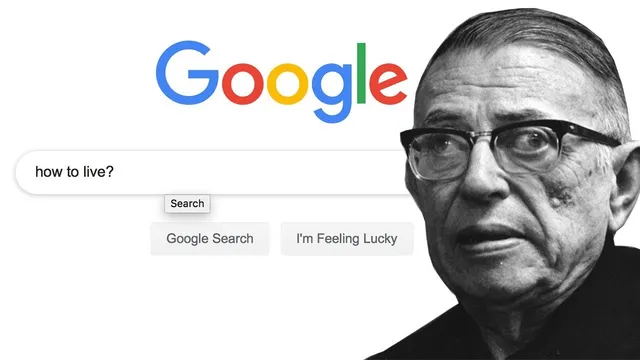
The modern internet age is amplifying anxiety by flooding people with conflicting guidance on how to live—while offering no stable, universal answers to settle the debate. As religious authority fades in many Western societies and information becomes easier to access, more people encounter the sense that “truth” is fragmented: religion, philosophy, science, government, parenting, and self-help all seem to produce partial, unreliable, or contradictory conclusions. The result is a constant cycle of second-guessing—every time a person nears a decision, a new idea arrives that undermines the last one, eroding trust in any framework for living.
Existentialism, as framed through Jean-Paul Sartre, treats that uncertainty not as a problem to eliminate but as a condition to live through. Sartre’s core claim is that existence comes before essence: humans have no predetermined purpose or built-in script for how to live. Instead, meaning and direction arise through choices and actions made in the world. That freedom is real, but it is also unsettling. Because people cannot know in advance whether their choices are “good” or “right,” they carry responsibility without the comfort of guaranteed moral or practical certainty—captured in Sartre’s line that humans are “condemned to be free,” responsible for everything they do.
The internet intensifies this existential pressure by making contradiction feel omnipresent. Endless content can look like endless solutions, yet it rarely delivers timeless guidance that applies to everyone. Existentialism interprets this mismatch as structural: there are no definitive answers that remove hardship or uncertainty for all people. The implication is not to stop engaging with ideas, but to treat them with skepticism and lower expectations that any single philosophy or piece of advice can deliver a final blueprint for life.
In place of ultimate certainty, existentialism offers a “template of wisdom”: accept the absurdity and meaninglessness of life’s lack of fixed rules, then transmute that chaos into personal meaning through lived experience. Sartre’s emphasis on being alone with “infinite responsibilities” points to a practical stance—people must rely on themselves, forge their own destiny, and test what feels true through action rather than waiting for external validation.
That shift reframes anxiety as a byproduct of searching for a single correct path. Early life often presents a small set of predetermined routes toward perfection and happiness, but existentialism suggests there are endless ways to live, each individually constructed. Once someone accepts there are no fundamental shared rules, the pressure to conform can loosen. Instead of chasing the “right” way, people can look inward, decide how they want to experience life, and mold their choices accordingly—using freedom not as a burden to escape, but as the raw material for building a life that feels worth enduring.
Cornell Notes
The internet can increase anxiety by exposing people to constant, conflicting advice about how to live, while providing no stable, universal truth. Sartre’s existentialism argues that humans have no predetermined purpose—existence comes before essence—so meaning is created through choices and actions. That freedom brings responsibility without certainty: no one can know in advance whether a decision is truly “right,” yet people must still decide. Existentialism therefore treats uncertainty as a condition to live with, not a flaw to eliminate. The practical takeaway is to engage with ideas skeptically, then build personal meaning through lived experience rather than waiting for an ultimate answer.
Why does constant access to information not necessarily reduce uncertainty—and how does that connect to anxiety?
What does Sartre mean by “existence precedes essence,” and why does it matter for how people live?
How does Sartre’s idea of freedom produce anxiety instead of comfort?
What role does the internet play in making existential themes feel more urgent?
If there’s no ultimate answer, what does existentialism recommend people do?
How does existentialism suggest people escape the pressure of “the right way to live”?
Review Questions
- How does the transcript connect conflicting online advice to a cycle of second-guessing and eroded trust?
- Explain the difference between searching for universal truth and creating personal meaning through choices, using Sartre’s “existence precedes essence” framework.
- What does existentialism suggest people do when they cannot know whether their choices are “right” in advance?
Key Points
- 1
The internet can intensify anxiety by making contradictory guidance about life constantly visible, preventing stable decision-making.
- 2
Sartre’s existentialism holds that humans have no predetermined purpose; meaning and direction arise from choices and actions.
- 3
Freedom in existentialism is inseparable from responsibility, because people cannot reliably know whether their decisions are “good” or “right.”
- 4
No single religion, philosophy, science, government, or self-help system can provide a timeless answer that removes uncertainty for everyone.
- 5
Instead of expecting ultimate certainty, existentialism recommends skepticism toward advice and lower expectations of final, universal prescriptions.
- 6
A practical response is to accept life’s absurdity and create personal meaning through lived experience and experimentation.
- 7
Reducing pressure to conform comes from recognizing there are endless ways to live, not one shared path toward perfection.