Finding Something to Live and Die For | The Philosophy of Viktor Frankl
Based on Einzelgänger's video on YouTube. If you like this content, support the original creators by watching, liking and subscribing to their content.
Frankl’s core thesis is that meaning—not pleasure, status, or power—is what sustains people when life becomes unbearable.
Briefing
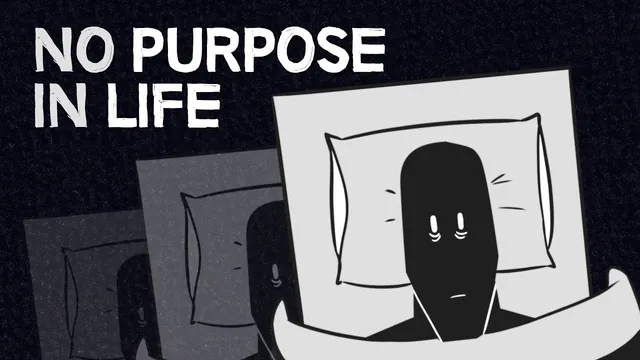
Viktor Frankl’s central claim is that life remains meaningful even under extreme suffering—and that meaning, not pleasure or success, is what keeps people going. After three years in four different Nazi concentration camps, Frankl observed that prisoners who could still find purpose were more likely to survive, while those who concluded “there’s nothing anymore to expect from life” often collapsed physically and mentally. The takeaway is stark: when people fall into an “existential vacuum” marked by purposelessness and hopelessness, despair follows; when they can grasp meaning, even unbearable conditions can be endured.
Frankl’s camp experience sharpened his view of what “meaning” actually does. He described a world stripped of freedom, dignity, and safety—famine, disease, slave labor, beatings, and the constant threat of punishment or execution. Yet within that environment, he argued that a “vestige of spiritual freedom” persists: the ability to choose one’s attitude toward circumstances. That choice does not remove suffering, but it changes how suffering is carried. Frankl pointed to examples of prisoners who continued to help others—comforting fellow inmates, giving away their last piece of bread—suggesting that everything can be taken except the last human freedom: choosing one’s stance.
The transcript connects this philosophy to modern Western life, where globalization, secularization, and relative peace reduce traditional sources of belonging, duty, and sacrifice. In that setting, many people drift into work that feels meaningless, then use money, consumerism, and distraction to dull a deeper sense of emptiness. The result can be nihilism: “What’s the point? Why keep going?” Frankl’s framework treats these feelings as symptoms of missing meaning rather than proof that life is pointless.
Frankl also challenges common substitutes for meaning. Pursuing pleasure, wealth, status, and power may function as coping mechanisms for existential emptiness, but they do not fill the core need. Even “happiness,” in his view, cannot be chased directly; it must follow from having a reason to be happy. Success works similarly: it tends to appear as a side effect of dedication to something more significant, not as a primary target.
So how does meaning get found? The transcript lays out three routes. First, meaning through creation and action—making a work, doing a deed, or solving problems that help others. Second, meaning through experience and relationships—encountering goodness, truth, beauty, and loving another person in their uniqueness. Third, meaning through suffering—when external change is impossible, people can still change themselves by adopting an attitude that transforms pain into purpose. Frankl’s camp reflections culminate in a Nietzsche line: having a “why” makes almost any “how” bearable. In short, the philosophy insists that purpose can turn even the worst circumstances into a life worth living.
Cornell Notes
Viktor Frankl’s experience in Nazi concentration camps led to a durable thesis: meaning is what sustains people when conditions are brutal. He observed a split between prisoners who gave up and those who held onto purpose; the former were more prone to illness and death. Frankl argued that even when freedom is stripped away, a “vestige of spiritual freedom” remains—the ability to choose one’s attitude toward suffering. Meaning can be discovered through (1) creating or doing, (2) experiencing love and other values through relationships and culture, and (3) finding purpose in unavoidable suffering. This matters because modern life can produce an “existential vacuum” of purposelessness, and Frankl’s approach offers a way to respond without denying pain.
Why did Frankl think some prisoners survived while others deteriorated?
What does “spiritual freedom” mean when physical freedom is gone?
How does the transcript connect Frankl’s ideas to modern Western life?
Why does Frankl treat pleasure, success, and happiness as unreliable goals?
What are the three ways meaning can be found?
How does the transcript illustrate meaning in suffering?
Review Questions
- How does Frankl’s “vestige of spiritual freedom” change the moral and psychological meaning of suffering?
- Which of the three meaning pathways (creation, love/experience, suffering) best fits your own life right now, and why?
- Why does the transcript claim that chasing happiness or success directly can backfire under Frankl’s framework?
Key Points
- 1
Frankl’s core thesis is that meaning—not pleasure, status, or power—is what sustains people when life becomes unbearable.
- 2
In the camps, prisoners who retained purpose were more likely to survive than those who concluded nothing was left to expect from life.
- 3
Even when external freedom is destroyed, a “vestige of spiritual freedom” remains: people can choose their attitude toward circumstances.
- 4
Modern purposelessness can emerge from work that feels meaningless and from consumerism and distraction that mask an “existential vacuum.”
- 5
Pleasure, wealth, and power often act as coping substitutes for missing meaning rather than true fulfillment.
- 6
Frankl argues happiness and success should follow from dedication to a reason or cause, not be pursued as direct targets.
- 7
Meaning can be found through creating/doing, experiencing love and values, and adopting a purposeful attitude toward unavoidable suffering.