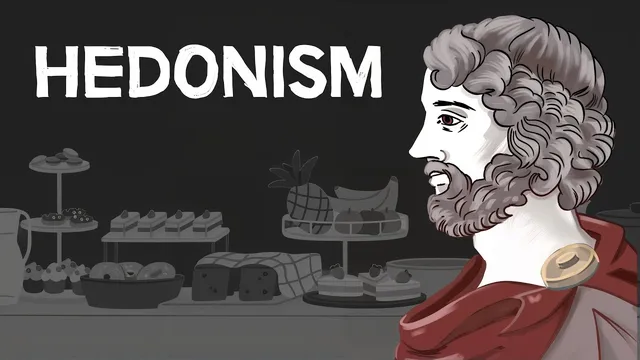
Food, Sex and Partying as a Philosophy | Hedonism Explored
Based on Einzelgänger's video on YouTube. If you like this content, support the original creators by watching, liking and subscribing to their content.
Pleasure-seeking is portrayed as psychologically powerful and appetite-forming, which is why many traditions treat it as morally risky.
Briefing
Pleasure can be the highest good—but chasing it without restraint turns into a trap that erases responsibility, judgment, and even basic purpose. The transcript uses two cautionary stories to frame that tension: the Lotus Eaters, whose sweet indulgence makes sailors forget home and duty, and Gyges’ ring in Plato’s Republic, which removes consequences and enables seduction, murder, and theft. Across both tales, pleasure isn’t treated as harmless entertainment; it’s portrayed as psychologically powerful, appetite-forming, and capable of steering people toward conduct they would otherwise avoid.
That danger helps explain why many religious and moral traditions warn against pleasure-seeking. Christian “sins” like lust, greed, sloth, and gluttony are presented as practical guardrails against destructive appetites. Buddhism is described as viewing sensual pleasure as an obstacle to enlightenment. Yet the transcript also insists that pleasure isn’t merely a vice—human beings naturally pursue pleasure and avoid pain, a tendency sometimes captured by “psychological hedonism.” In that light, hedonism becomes a serious philosophical position rather than a slogan: pleasure is not only enjoyable, but the ultimate goal and highest pursuit of human life.
The earliest hedonistic currents are traced to ancient texts and schools, including a Babylonian version of the Epic of Gilgamesh urging constant merriment, and the Charvaka tradition treating wealth and pleasure as the only rational aims. Greek hedonism then develops into ethical hedonism, where pleasure is central but must be managed. Aristippus of Cyrene, founder of the Cyrenaic school, argues that immediate pleasure is the highest good—yet insists on control: “I possess, I am not possessed.” Pleasure becomes wrong when it governs life, as with addiction. The Cyrenaics also ground ethics in experience: pain and pleasure are treated as self-evident indicators of what is good or bad, while knowledge of the external world is considered uncertain because perception varies between people.
That experiential approach leads to a consequentialist twist. Theft or even violence isn’t automatically condemned; it depends on whether the pursuit of pleasure brings greater pain through punishment or long-term harm. The transcript illustrates this with the Gyges scenario: if Gyges could avoid getting caught, his actions might be judged acceptable within a pleasure-and-pain calculus. Still, Aristippus warns against excess—more pleasure isn’t automatically better once costs (stress, labor, risk, and future pain) outweigh the immediate payoff.
Epicurus later reshapes hedonism into a more moderate, selective program. He distinguishes natural desires from vain ones: power, fame, and extreme wealth are “vain” because they have no natural limits and keep expanding appetite. Epicurus also divides natural desires into necessary and unnecessary. Necessary desires—food, shelter, rest, and friendship—prevent pain, while unnecessary ones (like luxury dining or fancy clothing) can be enjoyed but aren’t required for happiness. Epicurean pleasure is described as having two layers: “moving pleasures” from active satisfaction and “static pleasure,” the calm contentment that comes when lack is absent.
By the end, the transcript argues that ancient hedonism is more nuanced than the stereotype of unrestrained indulgence. It’s framed as potentially relevant to modern consumerism and mental-health strain, and it points toward utilitarianism as a later descendant of pleasure-based ethical thinking.
Cornell Notes
Hedonism treats pleasure as the highest human good, but the transcript stresses that pleasure-seeking can become dangerous when it turns into addiction, erases responsibility, or invites immoral behavior once consequences disappear. Ancient examples like the Lotus Eaters and Gyges’ ring show how indulgence can make people forget duties and pursue gratification without restraint. The Cyrenaic school (Aristippus) places immediate pleasure at the top but insists on self-control, arguing that pain and pleasure are the most reliable guides to what is good or bad, even while the external world remains uncertain. Epicurus refines hedonism by separating natural desires from vain ones and prioritizing “necessary” desires (food, shelter, rest, friendship) to avoid pain and secure stable contentment.
Why do the Lotus Eaters story and Gyges’ ring function as more than moral fables in this account of hedonism?
What is “ethical hedonism” in the Cyrenaic version, and how does it differ from Socrates’ view?
How do the Cyrenaics justify what counts as good or bad?
Why does the transcript say Cyrenaics might treat theft or violence as conditionally acceptable?
What makes Epicurus’ hedonism “moderate,” and how does he sort desires?
How does the transcript connect hedonism to modern life and later philosophy?
Review Questions
- How do the Lotus Eaters and Gyges stories support the claim that pleasure-seeking can undermine responsibility?
- Compare Cyrenaic and Epicurean hedonism: what each treats as the highest good, and how each handles excess or desire selection.
- According to the transcript’s account of Epicurus, why are vain desires (like power and fame) incompatible with stable happiness?
Key Points
- 1
Pleasure-seeking is portrayed as psychologically powerful and appetite-forming, which is why many traditions treat it as morally risky.
- 2
The Lotus Eaters and Gyges’ ring illustrate how indulgence can erase purpose and enable wrongdoing when consequences are removed.
- 3
Cyrenaic hedonism (Aristippus) treats immediate pleasure as the highest good but demands self-control so pleasure does not govern life.
- 4
Cyrenaics ground ethics in the felt evidence of pain and pleasure, while treating knowledge of the external world as uncertain due to differences in perception.
- 5
Cyrenaics evaluate actions by expected pleasure and pain outcomes, making acceptability depend on risk and consequences rather than on acts alone.
- 6
Epicurus refines hedonism by separating natural from vain desires and prioritizing necessary desires (food, shelter, rest, friendship) to prevent pain and secure stable contentment.
- 7
The transcript frames ancient hedonism as more ethically nuanced than “unrestrained indulgence,” and links pleasure-based ethics to later utilitarianism.