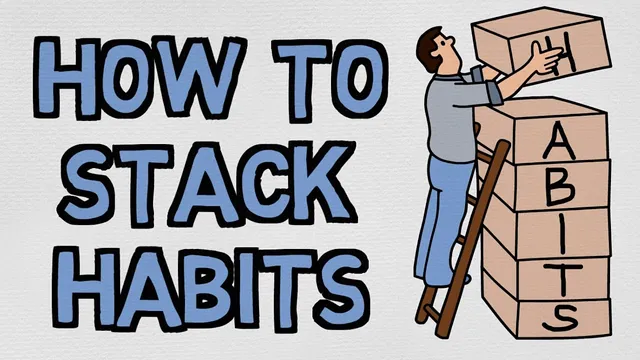
Habit Stacking - Create Your Perfect Routine
Based on Better Than Yesterday's video on YouTube. If you like this content, support the original creators by watching, liking and subscribing to their content.
Use a reliable existing daily behavior as the trigger for a new habit by writing “After [CURRENT HABIT], I will [NEW HABIT].”
Briefing
Habit stacking turns existing, automatic behaviors into the triggers for new habits—making routines easier to build because the “after” cue is already happening every day. Instead of trying to rely on motivation, the method starts with a current habit that’s already consistent (like taking a shower, making coffee, or turning off a computer) and then attaches a new behavior directly to it using a simple formula: “After [CURRENT HABIT], I will [NEW HABIT].” For example, “After I take a shower, I will meditate for 2 minutes,” or “After I make a cup of coffee, I will do 5 push-ups.” The goal is not to achieve the final, ideal version of the behavior immediately; it’s to make the behavior automatic enough to stick.
The emphasis on small actions is central. Doing “bare minimum” versions—two minutes of meditation, five push-ups, one piano song—reduces the barrier to starting, which matters because forming a habit requires repetition, not intensity. The routine can scale later. If someone can’t reliably do a tiny version when motivation is low, expecting a much larger commitment (like 30 minutes of meditation or a full hour at the gym) is unrealistic. Habit stacking therefore treats early success as a consistency problem: shrink the task until it’s manageable even on tired days.
To implement the approach, the first step is compiling a list of daily micro-habits already performed without thinking—examples include turning off an alarm, getting out of bed, brushing teeth, checking a phone, getting dressed, eating a meal, making tea, or laying on the couch. Once a fitting anchor behavior is chosen, the new habit is added by placing “after” and “I will” behind it. From there, the method can graduate from single habit links to “stacking stacks,” where multiple mini-stacks are chained into a full routine. One example chains evening actions: after turning off the computer, play piano for at least two minutes; after finishing, plan the next day; after planning, read at least three pages; then brush teeth. Another morning-to-day chain starts with drinking water after waking, then meditating, then making coffee, then exercising.
A key pitfall is sequencing: because each trigger depends on the previous habit, the chain only works if it begins with the original, already-established behavior. If the first link is missing or inconsistent, the entire stack can collapse. The practical takeaway is to start with tiny expectations, repeat the routine until it becomes reliable, and only then expand the workload. Done this way, habit stacking becomes a repeatable way to adjust routines—by planting “the seed for consistency” through actions small enough to complete even when energy is low.
Cornell Notes
Habit stacking builds new routines by attaching desired behaviors to existing, automatic habits using the formula “After [CURRENT HABIT], I will [NEW HABIT].” The method works best when the new habit is intentionally small—like meditating for 2 minutes or doing 5 push-ups—so it’s doable even when motivation is low. Once the basic links become consistent, multiple habit links can be chained into longer routines (“stacking stacks”), where each mini-habit becomes the trigger for the next. The chain only holds if it starts with a truly reliable existing behavior; otherwise, the whole routine can fall apart. The approach prioritizes consistency first, then scaling up over time.
Why does habit stacking rely on “after” and existing habits instead of willpower?
What makes the new habit small enough to succeed early on?
How does someone choose where to attach a new habit?
What does “stacking stacks” mean in practice?
What’s the main failure mode when chaining habits together?
Review Questions
- Pick one daily anchor habit (e.g., shower, coffee, turning off the computer). Write a habit-stacking line using “After [anchor], I will [new habit]” with a deliberately tiny action.
- Design a 3-step “stacking stacks” chain for either a morning or evening routine. What will be the trigger for each step?
- What strategy would you use to scale the routine after it becomes consistent, and why is scaling delayed in the habit-stacking approach?
Key Points
- 1
Use a reliable existing daily behavior as the trigger for a new habit by writing “After [CURRENT HABIT], I will [NEW HABIT].”
- 2
Start with a very small, manageable version of the new habit to build consistency before increasing effort.
- 3
Create a list of everyday micro-habits already done automatically to find the best place to attach a new behavior.
- 4
Chain multiple habit links into a longer routine once the first links work, so each completed habit becomes the next trigger.
- 5
Ensure the chain begins with the truly consistent original habit; if the first step fails, the rest of the stack can collapse.
- 6
Repeat the routine until it feels automatic, then gradually expand the workload rather than jumping to the ideal goal immediately.