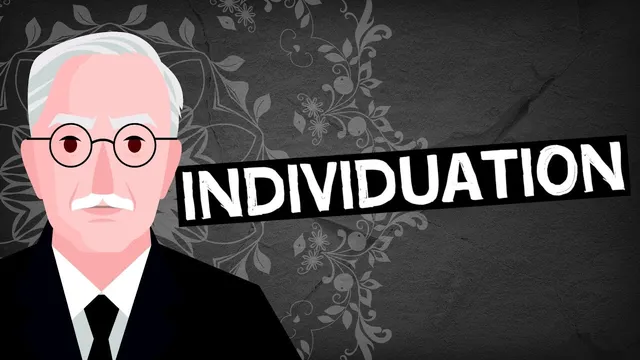
How To Become Whole (Carl Jung & The Individuation Process)
Based on Einzelgänger's video on YouTube. If you like this content, support the original creators by watching, liking and subscribing to their content.
Jung defines the Self as the totality of conscious and unconscious, with most of it hidden in the unconscious—so wholeness requires integration, not denial.
Briefing
Individuation in Carl Jung’s framework is the lifelong effort to integrate unconscious material into conscious life—because a “whole” personality can’t be built by suppressing one side of the psyche. Jung’s core warning is blunt: conscious and unconscious become mutually destructive when one is injured or forced out. The practical implication is that self-realization depends on a fair, ongoing confrontation with what the mind hides, not on denial.
The path starts with clarifying what “self” and “psyche” mean in Jung’s model. At the center is the Self, described as the totality of conscious and unconscious. Most of it remains hidden, and Jung distinguishes between a personal unconscious—repressed or forgotten memories and unaccessed mental contents—and a collective unconscious, shared across humanity and expressed through universal archetypal figures. These archetypes show up as recurring motifs in myths and dreams: the hero, the trickster, the wise old man, the great mother, and even God. They aren’t fixed characters so much as symbolic forms that carry what lingers in the unconscious in an archaic, widely recognizable language.
Within the psyche, Jung maps several key elements. The ego is the “story” a person tells about who they are, rooted in the conscious field but not the center of the personality; it sits under the Self. The persona is the social mask—roles shaped by norms and ethics, including culturally defined ideas of masculinity and femininity. The shadow is the darker residue of traits and impulses that get repressed and kept out of awareness. Jung’s emphasis is that the shadow isn’t purely evil; it often contains primitive, awkward, or childish qualities that could enrich life if they weren’t forbidden by convention. When shadow material stays excluded from conscious identity, it tends to grow denser and darker, and people may misread its return as something “outside” themselves.
Individuation then becomes a structured confrontation with these hidden layers. The ego must acknowledge it isn’t the center and that much of real identity lies in the unconscious. Yet the unconscious can’t be fully swallowed by consciousness; some areas remain inaccessible. A major part of the work is integrating the shadow—bringing awareness of the dark side into the conscious personality rather than merely noticing it. Jung frames this as difficult because it involves conflicts of duties, where even one’s “counter-will” functions as part of a larger order.
A second confrontation targets the contra-sexual dimension: anima in men and animus in women. Healthy integration means men incorporate feminine aspects and women incorporate masculine ones, empowering personality regardless of sex. Unhealthy integration can produce harmful expressions of the opposite-sex traits—so toxic masculinity can appear in female behavior, and toxic femininity can appear in male behavior. Finally, individuation isn’t a one-size-fits-all program. It can be supported by therapy, but it can’t be forced on a schedule; self-realization may take a lifetime and may remain unfinished before death, even when the process is underway.
Cornell Notes
Jung’s individuation process aims at integrating unconscious elements into conscious life so a person can become “whole.” The Self is the totality of conscious and unconscious, but most of it lies hidden—partly in a personal unconscious (repressed or forgotten material) and partly in a collective unconscious (shared archetypal motifs like the hero or the wise old man). The ego is the center of consciousness but not the center of personality, while the persona is the social mask and the shadow is the repressed “undesirable” side that grows darker when excluded. Individuation requires integrating the shadow and the contra-sexual anima/animus in a healthy way, because suppressing unconscious life tends to backfire as neurosis. The process is natural, individualized, and often lifelong, not something that can be completed on demand.
What does Jung mean by “the Self,” and why does it matter for individuation?
How do ego, persona, and shadow differ, and what role does each play in the psyche?
Why isn’t the shadow simply “evil,” according to Jung?
What are anima and animus, and what does “healthy integration” look like?
Why can’t individuation be forced on a timetable?
How does Jung connect unconscious suppression to neurosis?
Review Questions
- How does Jung’s definition of the Self change the way someone might approach self-improvement or therapy?
- What mechanisms make the shadow grow “denser and blacker” when it’s excluded from conscious life?
- What distinguishes healthy anima/animus integration from unhealthy integration, and how might each show up in behavior?
Key Points
- 1
Jung defines the Self as the totality of conscious and unconscious, with most of it hidden in the unconscious—so wholeness requires integration, not denial.
- 2
The personal unconscious includes repressed or forgotten contents, while the collective unconscious is shared across humans and expressed through archetypal motifs in myths and dreams.
- 3
The ego is central to consciousness but not the center of personality; the persona is a social mask shaped by norms, and the shadow is repressed material that tends to intensify when excluded.
- 4
Shadow integration means incorporating repressed aspects into conscious personality, not merely recognizing them or labeling them as “not me.”
- 5
Individuation includes integrating anima (in men) and animus (in women) in a healthy way to empower personality regardless of sex.
- 6
Unhealthy integration can produce toxic expressions of opposite-sex traits, so toxic masculinity and toxic femininity can appear across genders.
- 7
Individuation is individualized and often lifelong; it can be supported by therapy but can’t be forced into a strict schedule or fully completed.