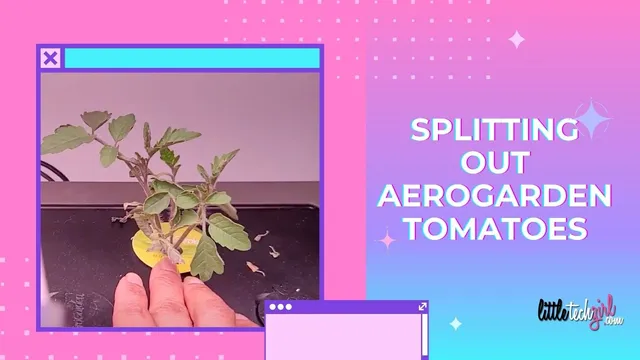
How to Separate AeroGarden Cherry Tomato Seedlings | Farm 24 XL | Kratky
Based on LittleTechGirl's Digital Homestead's video on YouTube. If you like this content, support the original creators by watching, liking and subscribing to their content.
AeroGarden tomato pods can contain multiple seedlings, so overcrowding can be corrected by splitting into single plants.
Briefing
Separating multi-seed AeroGarden tomato pods into single seedlings can rescue weaker starts and speed up growth—provided each transplant keeps enough root and sponge support to survive the move. The process matters because tomato seedlings in AeroGarden pods often arrive with several seeds packed into one foam sponge to improve germination, but overcrowding forces competition for space and nutrients. When the smallest plants begin to look stressed, splitting the pod lets the grower keep one strong seedling in the original pod while relocating the extras to fresh setups.
The workflow starts by removing the pod and carefully teasing apart the foam sponge to free individual seedlings with minimal root damage. The grower treats root loss as a risk but not an automatic failure: if a seedling comes out with only a small root remnant, it may still survive, and cutting off extras is the common alternative. Instead of discarding them, the method aims to save them—“more tomatoes” from the same starting material. Some seedlings are embedded in the sponge, so the sponge may tear during separation; the key is that the plant remains established enough that the remaining sponge still holds it securely in the seedling cage.
After separation, two of the seedlings are placed into new AeroGarden pods. The foam sponges are already wet, and the grower splits the side slightly to slide the seedling in while leaving a bit of the root area exposed for contact and stability. A homemade spoon-shaped label cover goes over the label area to reduce algae growth by blocking light from the nutrient zone; algae can turn the system green, but the cover limits how much it happens.
The third seedling is moved to a Kratky-style setup using amber ball mason jars and clay pebbles, with no additional medium. The jar is filled to a marked level so the roots initially sit directly in the nutrient solution, giving the plant time to establish. As the plant grows, the water level effectively drops, encouraging the formation of “air roots” in the space above the liquid—one of Kratky’s core mechanisms.
Follow-up checks show the tradeoffs of transplanting: within three days, one of the relocated seedlings dies, apparently due to insufficient remaining root and stress from being out of water too long. The surviving plants show typical early setbacks, including bottom leaves yellowing or dying off, while the main growth remains intact. By day five, the Kratky plant is producing new roots emerging from the clay pebbles, while the smallest AeroGarden transplant remains tiny but still alive and strong. The overall takeaway is practical: splitting tomato seedlings from multi-seed AeroGarden pods is manageable, and most of the time—despite a few losses—three out of four seedlings can make it when handled carefully and given the right environment.
Cornell Notes
AeroGarden tomato pods often contain multiple seedlings in one foam sponge. When overcrowding starts to stress the smallest plants, separating them can improve survival and growth. The method keeps each transplant viable by carefully opening the sponge, freeing seedlings with as much root as possible, and ensuring the sponge still holds the plant in place. Two seedlings go back into AeroGarden pods with label covers to limit algae, while one is moved to a Kratky-style mason jar with clay pebbles and a nutrient-water level that encourages air-root formation. Early setbacks are normal—bottom leaves may die—but new roots and steady growth signal success; one transplant may fail if too little root remains or if it dries out too long.
Why do tomato seedlings need to be separated from multi-seed AeroGarden pods?
What’s the most important survival factor when splitting seedlings from the foam sponge?
How are algae issues reduced when transplanting into new AeroGarden pods?
How does the Kratky jar setup differ from the AeroGarden pod setup?
What early signs indicate a transplant is failing versus recovering?
Review Questions
- What specific handling choices during sponge separation increase the odds that a tiny tomato seedling survives?
- How do the nutrient and root conditions in the Kratky jar drive air-root formation over time?
- What role does the label cover play in preventing algae, and where is it placed?
Key Points
- 1
AeroGarden tomato pods can contain multiple seedlings, so overcrowding can be corrected by splitting into single plants.
- 2
Carefully separating the foam sponge while preserving at least some root tissue improves survival odds.
- 3
Tearing the sponge is not automatically fatal if the remaining sponge still anchors the seedling in the cage.
- 4
Label covers help limit algae growth by blocking light from the nutrient zone in AeroGarden pods.
- 5
A Kratky setup uses a nutrient-water level that initially supports roots in liquid, then encourages air roots as the plant grows.
- 6
Early leaf yellowing or loss after transplanting can be normal, but new root growth is the key recovery signal.
- 7
Transplant losses often come from insufficient remaining roots or extended time out of water, so speed and care matter.