How to Slow Aging (and even reverse it)
Based on Veritasium's video on YouTube. If you like this content, support the original creators by watching, liking and subscribing to their content.
Aging is framed as being driven by accumulating epigenetic errors—changes in gene regulation—rather than by loss of DNA information.
Briefing
Aging may be driven less by irreversible DNA mutations and more by a gradual loss of “epigenetic information” that tells cells what they are supposed to do—an idea that, if correct, points to both slowing age-related disease and potentially resetting aspects of aging. The central promise is not immortality, but longer healthspan: delaying the onset of conditions like diabetes, cancer, and neurodegeneration so people spend more years functioning rather than suffering.
The biological case begins with the observation that older bodies accumulate multiple hallmarks of aging—senescent “zombie-like” cells that inflame neighbors, mitochondrial dysfunction, impaired cell communication, and other cellular failures. For decades, DNA damage and mutations were treated as the main culprit. But cloning experiments suggest the genetic blueprint isn’t what determines lifespan: adult cells can be cloned into new organisms that age similarly to non-cloned counterparts. That shifts attention to what changes without altering the DNA sequence—epigenetic regulation.
Epigenetics, in this framing, is the system of chemical and structural controls that package DNA and regulate which genes are turned on or off in each cell type. The transcript emphasizes two mechanisms: histones (proteins that wrap DNA) and DNA methylation (chemical markers that influence gene expression). As cells age, the “reset” that normally restores epigenetic organization after DNA repair may fail. Sunlight and other stressors can break chromosomes; cells then stitch DNA back together and must re-establish epigenetic patterns. The claim is that about 99% of that reprogramming is recovered, but the remaining 1% of errors accumulates over time, producing a measurable “aging clock.”
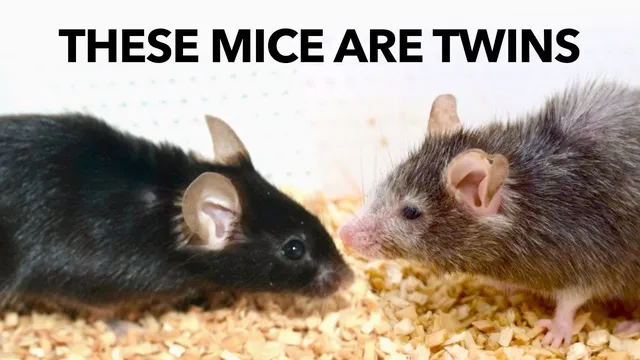
That clock is linked to DNA methylation patterns, including the “Horvath clock,” which can estimate biological age and even how far along someone is in the aging trajectory. The hypothesis gets experimental support from engineered mice that break chromosomes without causing mutations; those animals develop aging phenotypes and show accelerated methylation-clock age—suggesting that epigenetic disruption alone can make tissues behave older.
From there comes a practical angle: longevity pathways evolved to respond to stress. Genes such as sirtuins, AMPK, and mTOR are described as sensing energy status—calorie intake, sugar availability, and amino acids—and switching cells into “repair and protect” mode rather than “grow and reproduce.” The transcript highlights interventions with animal evidence: caloric restriction and intermittent fasting, reducing protein and amino acids, high-intensity interval training (pushing heart rate to around 85%), and exposing the body to uncomfortable temperatures (either cold or hot) to trigger protective responses. Molecules like NMN are also mentioned as ways to raise NAD and activate sirtuin-related defenses, with one striking mouse result: senescent mice reportedly ran dramatically farther.
Finally, the transcript pivots from slowing to reversing. It describes Yamanaka factors—four reprogramming factors that can reset adult cells toward an embryonic-like epigenetic state—while warning that applying all of them broadly risks tumor formation. A more targeted approach is presented: gene therapy delivered to the mouse eye to rejuvenate retinal cells, restoring vision in old mice. The transcript then connects this to “moon jellyfish,” which appear to regenerate without clear senescence and can reset cells back toward earlier life stages. The implication is that understanding how jellyfish reprogram epigenomes could offer a roadmap for safer, body-wide epigenetic resetting in humans, though that remains far off.
Cornell Notes
The transcript argues that aging is driven largely by accumulating errors in epigenetic regulation—chemical and structural systems that control which genes cells express—rather than by loss of DNA information. After stress breaks chromosomes, cells repair DNA and must also “reset” epigenetic marks; the reset is incomplete, and the leftover noise accumulates, producing measurable biological aging clocks such as the Horvath clock. Experiments in mice that induce chromosome breaks without mutations reportedly accelerate epigenetic-clock age and aging phenotypes, supporting the epigenetic-information theory. Interventions that activate longevity pathways—caloric restriction, reduced protein/amino acids, exercise (HIIT), and temperature stress—are presented as ways to slow aging by maintaining epigenomes. A more speculative route to reversal involves targeted epigenetic reprogramming, including gene therapy in mouse retinas and inspiration from moon jellyfish regeneration.
Why does the transcript shift from DNA damage to epigenetic “information loss” as the driver of aging?
What is the epigenome, and how does it relate to cell identity?
How does the transcript connect DNA repair to epigenetic drift and a measurable aging clock?
What mouse experiment is used to test whether epigenetic disruption can accelerate aging without mutations?
Which “longevity gene” pathways are highlighted, and what lifestyle levers are tied to them?
How does the transcript describe reversing aging, and why are moon jellyfish introduced?
Review Questions
- What evidence in the transcript is used to argue that DNA sequence loss is not the primary driver of aging, and why does that matter for treatment strategies?
- Explain how incomplete epigenome resetting after DNA repair could produce a measurable biological aging clock like the Horvath clock.
- What are the transcript’s main reasons for caution when considering epigenetic reprogramming (e.g., Yamanaka factors) as a route to reversing aging?
Key Points
- 1
Aging is framed as being driven by accumulating epigenetic errors—changes in gene regulation—rather than by loss of DNA information.
- 2
Epigenetic regulation depends on histones and DNA methylation; drifting epigenomes can cause cells to lose identity and function.
- 3
DNA repair after chromosome breaks may not fully restore epigenetic patterns, leaving small errors that accumulate over time.
- 4
DNA methylation patterns can estimate biological age via clocks such as the Horvath clock, and engineered mice with chromosome breaks reportedly show accelerated methylation-clock age.
- 5
Longevity pathways tied to sirtuins, AMPK, and mTOR are presented as targets for slowing aging through caloric/protein restriction, HIIT exercise, and temperature stress.
- 6
Targeted epigenetic resetting is described as more feasible than whole-body reprogramming, with an example of retinal gene therapy restoring vision in old mice.
- 7
Moon jellyfish are introduced as a potential model for how cells can reset epigenomes during regeneration without clear senescence.