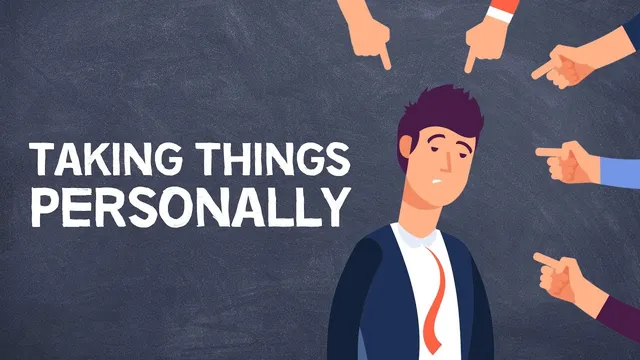
How to Stop Taking Things So Personally
Based on Einzelgänger's video on YouTube. If you like this content, support the original creators by watching, liking and subscribing to their content.
Treat emotional reactions to others’ words as signals about interpretation, not automatic evidence of personal threat.
Briefing
Taking things personally often starts with a misread: an emotional spike to someone else’s words can feel like a direct threat to one’s “essence.” The core claim here is that this reaction rarely comes from reality itself; it comes from how a person interprets events through insecurity, low self-esteem, and a self-centered narrative. Miscommunication is common, but when outside events get converted into stories about the self, people end up feeling insulted, offended, inadequate, angry, and resentful. The fix is not to control other people’s behavior—it’s to change the mental lens that turns ordinary remarks into personal attacks.
The first practical step is changing perspective. When outside events are treated as if they revolve entirely around the self, other interpretations shut down. A more realistic view starts with recognizing that other people are “as human as ourselves”: they carry insecurities, biases, and hidden motives (“Hintergedanken,” inner reasons they don’t share). Many people act from selfishness or from a sense of duty rather than from a desire to wound. In workplace criticism, for instance, the relevant frame may be performance and expectations, not personal worth. Even if feedback is harsh or inaccurate, it still doesn’t automatically define human value—value is something people decide for themselves.
The second step is discerning reality from fiction. The mind can distort what’s happening by injecting fantasies, turning a simple remark into an imagined conspiracy. The emphasis is on separating what is actually occurring outside from what thoughts add on top. This doesn’t require knowing every detail of a situation—often that information is unavailable. Instead, the goal is comfort with “not knowing,” rather than inventing a false certainty. Mindfulness is presented as a tool: by watching thoughts closely, people can spot their own mental fabrications and distinguish them from reality.
The third step is discerning nonsense from truth—shifting from internal interpretation to the content of what others say. If the remark is true, there’s no reason to be offended by truth; it can even become a learning opportunity. If it’s nonsense, it shouldn’t deserve emotional weight either. An “insult flow chart” is referenced as a method for pausing before reacting: assess whether the perceived insult is truth or nonsense, then respond accordingly. Emotional reactions may still happen; resilience is built through time and practice.
Finally, Epictetus is invoked to loosen the grip of criticism. When someone speaks ill, the advice is not to debate excuses but to remember they only mention one fault—if they knew more, they would have said more. The overall takeaway is to take oneself less seriously, adopt a broader cosmic perspective, and let remarks slide rather than treating every comment as an attack on identity.
Cornell Notes
Personal offense often comes from turning other people’s words into self-centered stories, especially when insecurity and low self-esteem distort interpretation. The remedy is to shift perspective: remember others have biases, hidden motives, and may act from duty or workplace roles rather than personal hostility. Next, separate reality from fiction by noticing how the mind adds fantasies—mindfulness helps identify these distortions without needing perfect information. Then evaluate what’s actually said by distinguishing truth from nonsense; either way, the insult doesn’t automatically threaten human worth. Over time, practice and a looser attitude—guided by Epictetus’s counsel—reduce the urge to react as if identity is under attack.
Why do ordinary comments trigger intense feelings of being attacked?
How does “changing perspective” reduce personal offense?
What does it mean to “discern reality from fiction,” and why doesn’t it require knowing everything?
How does the “insult flow chart” help someone respond more rationally?
What is the role of Epictetus’s advice in handling criticism?
Review Questions
- What mental habits turn miscommunication into “personal attacks,” and how do insecurity and low self-esteem contribute?
- How do the three steps—changing perspective, discerning reality from fiction, and discerning nonsense from truth—address different parts of the offense cycle?
- In workplace criticism, what distinction is made between human value and performance, and how does that change the emotional impact?
Key Points
- 1
Treat emotional reactions to others’ words as signals about interpretation, not automatic evidence of personal threat.
- 2
Shift from a self-centered narrative to a broader perspective that accounts for other people’s insecurities, biases, and hidden motives.
- 3
Reframe workplace criticism as feedback on performance or fit, not a verdict on human worth.
- 4
Separate what’s happening outside from what the mind adds; mindfulness can help detect fantasies early.
- 5
Pause before reacting by sorting perceived insults into truth versus nonsense, then respond accordingly.
- 6
Practice tolerance for “not knowing” rather than inventing a confident story that inflates the situation.
- 7
Use Epictetus’s approach to loosen criticism—remember it reflects only a partial view of someone’s faults.