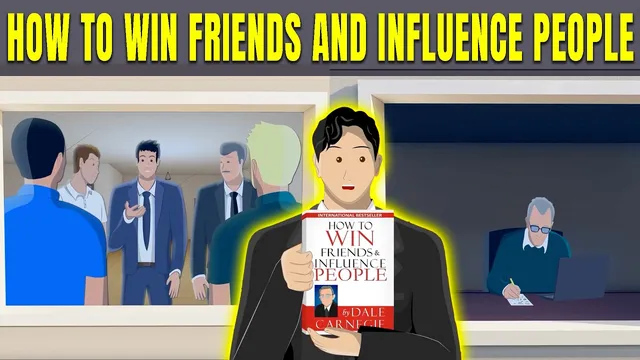
How to Win Friends and Influence People - Summary (ANIMATED)
Based on Alex Dekora's video on YouTube. If you like this content, support the original creators by watching, liking and subscribing to their content.
Avoid criticizing, condemning, or complaining; it triggers defense and usually prevents real change.
Briefing
“How to Win Friends and Influence People” boils down to one practical insight: people change more reliably when their pride is protected and their motivations are respected. The core message isn’t about clever manipulation—it’s about reducing defensiveness, increasing goodwill, and making cooperation feel natural. In a world where emotional intelligence increasingly matters, the book’s relationship rules aim to create outcomes that benefit everyone, whether the setting is a negotiation, a workplace conflict, or everyday conversation.
The foundation starts with what to avoid. Criticism, condemnation, and complaining tend to trigger immediate self-defense, pushing people to rationalize rather than reconsider. Even when the criticism feels “logical,” it often fails because humans aren’t purely rational; ego and pride move first. A story from Abraham Lincoln illustrates the point: after a general refused to pursue retreating Confederate forces at Gettysburg, Lincoln drafted a harsh letter—but never sent it. The reason was pragmatic: sending it would likely harden the general’s defenses and worsen the situation, while also ignoring the reality that Lincoln wasn’t present to judge the decision under battlefield pressure.
Instead of attacking, the book emphasizes appreciation and perspective-taking. People are driven by a desire to feel important, and genuine encouragement is a powerful lever. Charles Schwab is used as an example of how appreciation fuels ambition, while multiple everyday tactics reinforce the same theme: notice what someone does well, praise specifically, and avoid fake flattery. The book also urges readers to appeal to the other person’s interests rather than their own. A parent persuading a 3-year-old to eat breakfast does it by letting the child “make” cereal—turning the task into a chance to feel grown up. A landlord negotiation is framed similarly: rather than yelling or threatening, the tenant calmly highlights shared benefits, documents reliability, and explains how a rent increase could cost the landlord more than the gain.
Building “liking” comes next through habits that signal respect. Genuine interest—like a dog’s effortless attention—beats attempts to impress. Simple behaviors matter: remember names, follow up on birthdays, ask passionate people about their interests, and smile often. Forgetting someone’s name is treated as a relationship blunder because names are tied to identity; even small workplace misspellings can quietly push talent away.
When it comes to persuasion, the book warns against arguments: “you never win an argument” because people usually leave more entrenched. Disagreements should be handled with empathy—listen fully, look for common ground, admit possible error, and avoid interrupting. The goal is to reduce ego injury so the other person can stay open.
Finally, feedback should change behavior without offense. The “sandwich method” (praise, constructive feedback, praise) is presented as a way to soften impact, while “but” is discouraged because it cancels the earlier compliment. Orders should be replaced with questions, and corrections should happen privately to prevent long-term resentment. Even when someone needs a role change, the book recommends preserving dignity—such as creating a new title to avoid the humiliation of a demotion. Across all sections, the consistent throughline is clear: people respond best to respect, sincerity, and a path that lets them feel valued while moving toward better outcomes.
Cornell Notes
The book’s central claim is that relationships improve when people feel respected rather than attacked. Criticism and arguments tend to trigger defensiveness, so the better path is genuine appreciation, empathy, and perspective-taking. Persuasion works best by appealing to the other person’s interests, protecting pride, and making cooperation feel voluntary—often by letting people “participate” in the solution. In conflict and feedback, the emphasis shifts to listening, avoiding interruptions, and using praise and tact to reduce ego injury. The payoff is practical: more goodwill, fewer escalations, and more durable cooperation in both personal life and workplace negotiations.
Why does criticism so often fail to change behavior?
What’s the book’s alternative to criticism in everyday interactions?
How does “appeal to the other person’s interest” work in negotiations?
What habits make people like you more consistently?
Why does the book discourage arguments and how should disagreements be handled instead?
How should feedback be delivered to avoid offense and resentment?
Review Questions
- Which specific techniques in the transcript are designed to prevent defensiveness during disagreement or feedback?
- How does the transcript connect “feeling important” to both praise and persuasion strategies?
- What are the differences between using “but” versus reframing with “and” when giving feedback?
Key Points
- 1
Avoid criticizing, condemning, or complaining; it triggers defense and usually prevents real change.
- 2
Use genuine appreciation to tap into people’s desire to feel important, and praise with specificity.
- 3
Negotiate by appealing to the other person’s interests, not by pushing your own demands or threats.
- 4
Build rapport through consistent habits: genuine interest, smiling, remembering names, and asking about what others care about.
- 5
Handle disagreements by listening fully, starting with common ground, and admitting possible error quickly.
- 6
Replace orders with questions and deliver feedback privately when possible to protect pride and reduce resentment.
- 7
When correcting behavior, structure feedback to minimize ego injury: praise first, avoid “but,” and make the fix feel achievable.