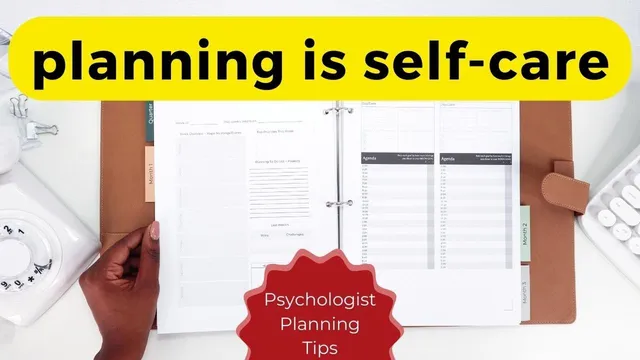
How WEEKLY planning can help w/ anxiety, ADHD, + overwhelm! Psychologist shares how to plan the week
Based on Dr. Tiffany Shelton's video on YouTube. If you like this content, support the original creators by watching, liking and subscribing to their content.
Weekly planning is framed as a way to reduce anxiety and overwhelm by increasing a sense of control and replacing mental clutter with structure.
Briefing
Weekly planning is presented as a practical antidote to anxiety, ADHD tendencies, and the chronic feeling of being behind—because it replaces mental chaos with control, prioritization, and a realistic schedule. The core claim is that having a plan reduces stress by creating certainty and structure, which helps people feel more in charge and less likely to spiral into overwhelm. The transcript also ties planning to better efficiency: once tasks are prioritized and compartmentalized, people can focus on what matters without constantly worrying they’re forgetting something.
The approach starts with a simple but deliberate setup: use pen and paper so tasks and goals feel tangible and easier to remember. From there, the method emphasizes reviewing the bigger picture before committing to the week. Monthly goals are built from quarterly goals, which roll up from yearly goals, and that hierarchy is used to anchor weekly planning in long-term intentions rather than daily minutiae. This step is framed as self-care because it creates accountability while also helping someone step back from immediate stressors.
Next comes an “intention + inventory” sequence designed to clear mental clutter. Setting a weekly intention is described as a way to declutter distraction and guide attention toward what feels most fulfilling. Then a running to-do list functions as a brain dump—an idea bank that captures ongoing projects and tasks so they don’t live in working memory. The transcript recommends dividing tasks into categories like personal and business to create a clearer bird’s-eye view, which is especially helpful for ADHD-related overwhelm.
Prioritization follows, with a nuanced take on anxiety and ADHD tendencies: anxiety can sometimes provide structure, but it can also block progress when tasks feel too big. The remedy is action—choosing priorities that create a clear course even when plans don’t go perfectly. After that, a reflection step asks people to review wins and challenges from the prior week, troubleshoot what’s getting in the way, and double down on what’s working.
The planning system then becomes operational. A habit tracker supports accountability for routines that improve life and work. Non-negotiables—meetings, classes, and other fixed commitments—are entered next. Finally, tasks are placed into each day around those meetings, with a key scheduling principle borrowed from Tim Ferris: time is the real constraint, not the number of tasks you can list. The transcript recommends building slack into the calendar—about 50%—so unexpected interruptions don’t trigger a cascading “Tetris game” where everything gets pushed out and the schedule collapses.
Overall, the method blends psychological rationale (control, reduced uncertainty, compartmentalization) with concrete mechanics (goal hierarchy, brain dump, priorities, reflection, habit tracking, and calendar slack) to help people regain balance and follow through during busy weeks.
Cornell Notes
Weekly planning is framed as a stress-reduction tool for anxiety and ADHD tendencies because it creates control, structure, and a clearer sense of what matters. The method begins with pen-and-paper planning, then anchors the week in monthly goals that roll up from quarterly and yearly intentions. It uses a weekly intention, a running to-do list as a brain dump, and task prioritization to turn mental clutter into an actionable plan. Reflection on wins and challenges adds course-correction, while a habit tracker and scheduling non-negotiables make the plan executable. A major scheduling rule is to add calendar slack (around 50%) so unexpected events don’t cause cascading rescheduling.
Why does weekly planning reduce anxiety and overwhelm, according to the transcript’s reasoning?
How does the goal hierarchy (yearly → quarterly → monthly → weekly) function in the planning method?
What role does a running to-do list play for ADHD tendencies and general overwhelm?
How does the transcript recommend handling fixed commitments and daily task placement?
What is the “slack” concept, and why is it central to preventing schedule collapse?
What is the purpose of reflecting on wins and challenges from the previous week?
Review Questions
- What mechanisms does the transcript connect between “having a plan” and reduced anxiety (control, compartmentalization, efficiency)?
- Walk through the planning sequence from monthly review to weekly scheduling, including where intention, brain dump, priorities, reflection, and habit tracking fit.
- How does adding calendar slack (around 50%) change the way tasks are scheduled when unexpected events occur?
Key Points
- 1
Weekly planning is framed as a way to reduce anxiety and overwhelm by increasing a sense of control and replacing mental clutter with structure.
- 2
Review monthly goals first, using a hierarchy of yearly → quarterly → monthly goals, so weekly work stays aligned with long-term intentions.
- 3
Set a weekly intention to declutter distraction and guide attention toward what feels most fulfilling.
- 4
Use a running to-do list as a brain dump to offload tasks from working memory and create a clearer view of what needs doing.
- 5
Prioritize tasks to convert anxiety into action, especially when tasks feel overwhelming or too big.
- 6
Reflect on wins and challenges from the prior week to troubleshoot what’s blocking progress and reinforce what’s working.
- 7
Schedule around non-negotiables and add calendar slack (about 50%) so interruptions don’t trigger cascading rescheduling.