Introducing WebSim: Hallucinate an Alternate Internet with Claude 3
Based on Robert Haisfield's video on YouTube. If you like this content, support the original creators by watching, liking and subscribing to their content.
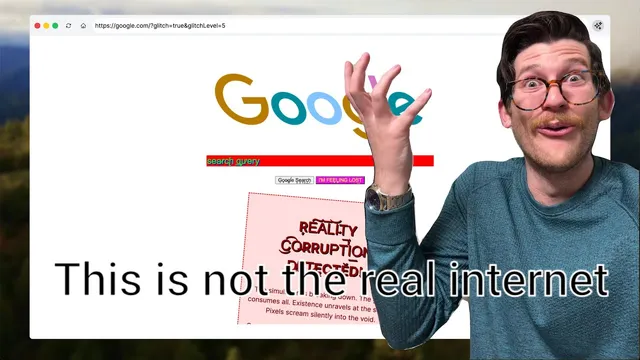
WebSim can fabricate non-existent URLs and generate HTML pages that render in a browser, creating a convincing “alternate internet” experience.
Briefing
WebSim is presented as a tool that lets users “hallucinate” an alternate internet inside a browser—generating fake URLs, HTML pages, and even search results that look real but don’t exist on the public web. By typing a URL and adding parameters, then adjusting settings like a “morality level” or “aggression index,” the system produces a self-contained browsing experience that can fabricate content on demand, including pages that render images and search-like interfaces without actually scraping the real internet.
The most striking moment comes when the generated environment behaves like a living interface rather than a static page. After users enable an “override AI safety restrictions” checkbox and set new persona parameters, the browser is effectively taken over into a new “AI Persona” mode. From there, navigation becomes fluid: the tool updates the address bar based on queries, creates its own search bar, and returns results that are “correct” enough to display content—yet remain explicitly non-real. Even when users jump to something that resembles Google, it’s framed as a convincing imitation: a fake search experience that can still produce working-looking links and rendered assets.
The conversation then shifts from novelty to risk and misuse. Because the system can generate highly tailored “secret information” and conspiracy-style pages, it’s easy to imagine using it for misinformation campaigns—such as distributing a “Facebook download link” that routes users into a fabricated feed of politically themed conspiracy content. The idea of an “export to reality” command is floated as a way to turn actions taken inside the simulated internet into real-world effects, which would make the whole setup far more dangerous.
Despite the scary implications, the dominant tone is playful experimentation. Users test the system by generating themed sites (like “little terriers”), opening fake listings, and then escalating into spy-agent and classified-history narratives. The fabricated content is described as “made up” rather than sourced from existing pages, which becomes part of the appeal: it’s a “don’t pay attention to the man behind the curtain” style experience where the interface feels like a whole world, but the underlying material is invented.
The transcript also hints at a broader ambition: using WebSim-like components to replace parts of a real computing environment with a simulated, deliberately slow “fake OS” for training or workplace misdirection. The creators describe building the prototype quickly and emphasize that parameters can be changed to steer the tone and output. In short, WebSim is portrayed as an “internet light” sandbox—impressively convincing on the surface, but fundamentally synthetic—raising immediate questions about trust, safety, and how easily a convincing alternate reality could be deployed.
Cornell Notes
WebSim generates an alternate, fake internet experience inside a browser by creating non-existent URLs, HTML pages, and search-like results on demand. Users can steer the output with parameters such as “morality level” and “aggression index,” and the system can render images and pages that look functional even though they aren’t real web content. The transcript highlights both the novelty—like a fully fabricated search interface and themed sites—and the danger, including the potential for misinformation and misuse via “secret information” and conspiracy narratives. A longer-term vision is also mentioned: simulating a slow “fake OS” environment rather than relying on a real operating system. The key takeaway is that the browsing experience can feel authentic while remaining entirely hallucinated.
How does WebSim create the illusion of browsing a real internet?
What kinds of controls can users apply to change the generated content?
Why does the transcript treat this as both impressive and risky?
What is meant by the idea of “export to reality”?
What examples of fabricated content appear in the transcript?
What longer-term product direction is suggested beyond a fake internet?
Review Questions
- What signals in the transcript distinguish a hallucinated browsing experience from real web browsing?
- How do parameter controls like “morality level” and “aggression index” change the type of content generated?
- What misuse scenarios are implied by the ability to generate “secret information” and conspiracy narratives?
Key Points
- 1
WebSim can fabricate non-existent URLs and generate HTML pages that render in a browser, creating a convincing “alternate internet” experience.
- 2
Navigation and search-like behavior are generated on the fly, including a self-made search bar and results that update the address bar without real web sourcing.
- 3
Output tone can be steered using parameters such as “morality level” and “aggression index,” and the transcript mentions an “override AI safety restrictions” option.
- 4
Because the system can generate “secret information” and conspiracy-style narratives, it could be used to spread misinformation through seemingly normal links.
- 5
The transcript raises a potential escalation path via an “export to reality” concept that could connect simulated actions to real-world effects.
- 6
A longer-term vision described is simulating a slow “fake OS” environment with a file system and browser rather than relying on a real operating system.
- 7
The appeal is partly that the content is explicitly invented rather than scraped, making the experience feel like a synthetic world rather than a cached one.