Life Has No Meaning... And That’s Where Life Begins
Based on Einzelgänger's video on YouTube. If you like this content, support the original creators by watching, liking and subscribing to their content.
Meaning is defined as “worthwhile” and “significant,” but the transcript argues it rarely arrives ready-made; it must be sourced or constructed.
Briefing
Meaning is treated as a modern obsession—something people believe should make life “worth living”—yet many end up stuck in emptiness, distraction, and nihilism. The core insight is that meaning doesn’t arrive as a ready-made package; it’s something people either outsource to external systems (like religion) or construct through freedom, responsibility, and chosen projects. That matters because the search for meaning often becomes a trap: when life lacks an obvious, inherited purpose, people either numb themselves with comfort or collapse into the belief that nothing is inherently valuable.
The transcript starts by defining meaning as an “important or worthwhile quality” and “implied or explicit significance,” then immediately questions where that significance comes from. It argues that modern meaninglessness is closely tied to the decline of traditional structures that once supplied narratives, moral rules, and a sense of why suffering exists. Religion is framed as a “life hack” for meaning: it offers an overarching story (origin, purpose, suffering) and a moral roadmap that shapes social behavior. In secular settings, that scaffolding can disappear—bringing freedom from authority, but also removing an external structure that many people rely on to decide what counts as good, evil, and worthwhile.
Friedrich Nietzsche becomes the central diagnostic voice. “God is dead” signals not only theological change but the risk of moral and motivational collapse. Without Christianity’s narrative and ethical framework, Nietzsche feared nihilism: the belief that life has no inherent meaning and values are baseless. In practice, that nihilism can look like a “Last Man” lifestyle—choosing comfort, safety, and superficial pleasure while shrinking life into something small. The proposed counter is the Übermensch: breaking free from inherited value systems and creating one’s own values.
Existentialists then shift the mechanism from value-creation to freedom. Jean-Paul Sartre’s “existence precedes essence” reframes purpose as something made after life begins. Meaning comes from embracing radical freedom—recognizing that people could choose radically different paths right now—and accepting responsibility for those choices. Projects matter because actions define identity: writing makes someone a writer; commitment turns freedom into lived form. Simone de Beauvoir adds a moral constraint: projects must expand others’ freedom, not restrict it. A “sub-man” refuses choice, hides behind circumstances (“It’s over”), and lets facticity masquerade as fate.
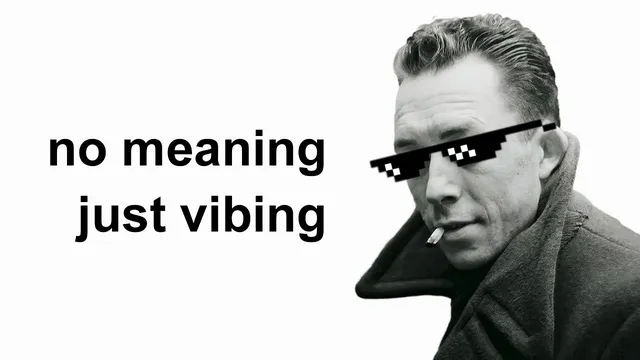
When even chosen projects feel insufficient, Albert Camus offers an alternative response to inherent meaninglessness. The universe is silent and indifferent, creating an “Absurd” mismatch between the human demand for meaning and the lack of cosmic confirmation. Camus’s prescription is not to invent fake meaning, but to rebel against the Absurd—acknowledge futility and still live fully, as if each moment is all that exists.
The transcript’s personal landing point blends these approaches. Meaning can be found in work and activities that generate fulfillment, but it doesn’t have to be a job; it can be any project that makes mornings easier and life feel real. Money is treated as a necessary means, not a purpose—fear-driven greed is rejected, but bills and survival still set practical boundaries. Finally, meaning is portrayed as a human construct that can fade; sometimes life is best when the meaning question doesn’t dominate at all. The proposed endgame is not despair, but a gradual peace with pointlessness—laughing at the cosmic joke and continuing to live.
Cornell Notes
Meaning is framed as something “worthwhile” and “significant,” but modern life often lacks the external structures that once supplied it. Nietzsche links the decline of religion to nihilism, where values feel baseless and people settle for comfort; his remedy is creating new values through the Übermensch. Sartre and Beauvoir shift the focus to freedom and responsibility: people must choose who they become, build identity through actions, and ensure projects support others’ freedom. Camus accepts inherent meaninglessness as Absurd and recommends living anyway—rebelling without inventing cosmic justification. The transcript concludes with a practical, personal blend: pursue fulfilling projects, treat money as a means, and recognize that meaning can be temporary rather than permanent.
Why does the transcript treat modern meaninglessness as more than a personal problem?
What is Nietzsche’s feared outcome after Christianity declines, and what’s his proposed counter?
How do Sartre’s ideas connect freedom to meaning?
What does Beauvoir add to the ethics of choosing projects?
What does Camus mean by the Absurd, and how does that change the search for meaning?
How does the transcript reconcile meaning with money and with the possibility that meaning fades?
Review Questions
- Which external sources of meaning does the transcript treat as most vulnerable in secular societies, and why does that vulnerability matter for nihilism?
- How do Sartre and Beauvoir differ on what makes a chosen project “authentic” or “responsible”?
- What practical stance toward life does Camus recommend when inherent meaning seems impossible to find?
Key Points
- 1
Meaning is defined as “worthwhile” and “significant,” but the transcript argues it rarely arrives ready-made; it must be sourced or constructed.
- 2
The decline of religion is presented as a major driver of modern meaninglessness because it removes shared narratives and moral frameworks.
- 3
Nietzsche links the loss of inherited values to nihilism and the “Last Man,” and counters with the Übermensch’s creation of new values.
- 4
Sartre grounds meaning in radical freedom and responsibility, using “existence precedes essence” to justify purpose as something chosen after life begins.
- 5
Beauvoir insists that projects must expand others’ freedom; freedom cannot exist in isolation and oppressive projects are not authentic.
- 6
Camus reframes inherent meaninglessness as the Absurd and recommends rebellion through full living rather than inventing cosmic justification.
- 7
The transcript’s personal approach treats money as a means for survival and meaningful projects, while accepting that meaning can fade and still leave life worth living.