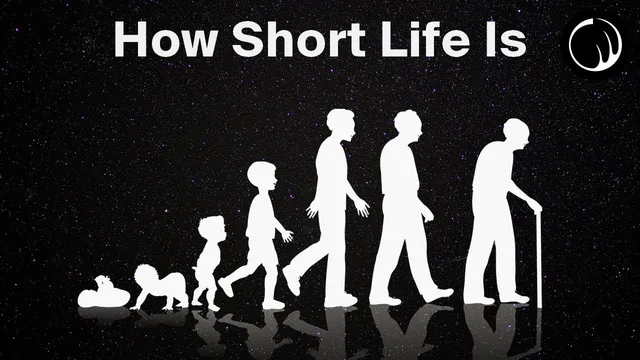
Life Is Not Short; We Just Waste Most of It - The Philosophy of Seneca
Based on Pursuit of Wonder's video on YouTube. If you like this content, support the original creators by watching, liking and subscribing to their content.
Seneca argues that time is the most valuable resource because it cannot be stored, replaced, or reclaimed once it passes.
Briefing
Seneca’s central warning is that people act as if time were infinite—yet time is the one “commodity” no one can store, replace, or reclaim. Stoic life, in his view, starts with accepting that external events are largely out of human control, while perception and response remain the real levers. Time becomes the clearest test of that principle because it is slippery, invisible, and always moving toward an inevitable end. The result is a moral mismatch: people guard money and property with care, but spend time extravagantly on distractions and obligations that would not survive scrutiny if anyone truly asked what they were worth.
In “On the Shortness of Life,” Seneca frames the problem as a failure of valuation. Once time is gone, it cannot be bought, fought for, or worked back into existence. The present is brief and immaterial, which makes it easy to undervalue until it disappears. Seneca pushes readers to confront finitude directly: life is slipping away moment by moment, and any moment could be the last. That bleakness is meant to be practical. If people knew they would die soon, they would likely live differently; therefore, the ethical task is to live as if one might not reach old age. Only then does the finitude of life become vivid enough to shape choices.
The challenge is psychological as much as philosophical. Imagining death next week differs sharply from knowing it will happen. Still, Seneca argues that people cling to the future for comfort, then get trapped in a cycle of preparation—hoping that life will finally begin later. Even when the future arrives, it becomes another moment to spend longing for more. He describes a pattern of misery that changes its reason rather than ending: people toil to acquire what they want, then possess it anxiously, while time continues to vanish without return.
Seneca’s prescription is to seize today’s tasks rather than outsource meaning to tomorrow. He urges fulfilling duties and responsibilities, enjoying wealth only insofar as it supports a decent life, and avoiding status-driven striving beyond basic needs. Crucially, he defends leisure—but not idle busyness. “Clever ways of wasting time” include both frantic “doing nothing” and free time spent on things with no real personal value. The best leisure is tranquility, introspection, and stillness, with philosophy at its center.
Philosophy, for Seneca, is the most worthwhile use of time because it trains attention on how to live and how to die, and it disciplines passions through reflection. Wisdom is treated as timeless, so studying it deepens the experience of each moment rather than merely consuming it. Even the act of pondering time is portrayed as a way of “containing” it—like securing the fluidity of time at the bottom of a glass so it can be seen and possessed.
The broader takeaway is not a guarantee that anyone can “win” against time, but a demand for honest accounting. Seneca offers a framework for balancing now and later without letting either swallow the other. The payoff is internal fortitude: resisting the universe’s indifference externally while maintaining solace when losses arrive.
Cornell Notes
Seneca argues that people treat time as if it were unlimited, even though it is the one resource no one can store or retrieve once it passes. Stoicism places control over perception and response, and Seneca applies that to time by urging people to confront life’s finitude and live as if they might not reach old age. He criticizes the habit of postponing meaning to the future, since arrival of the future often just restarts the cycle of longing and preparation. His practical guidance emphasizes duty, modest enjoyment of wealth, and leisure aimed at tranquility and introspection—especially philosophical reflection. In his view, studying wisdom helps deepen each moment and makes the present more “possessable.”
Why does Seneca treat time as more valuable than money or possessions?
What does it mean to “live as if” life could end soon?
How does Seneca describe the trap of living for the future?
What is Seneca’s view of leisure, and why isn’t it the same as idleness?
Why does Seneca think philosophy is the best use of time?
What does Seneca recommend for balancing now and later?
Review Questions
- How does Seneca connect the lack of control over external events to the way people should manage time?
- What specific habits does Seneca criticize as forms of wasting time, and what alternatives does he propose?
- In Seneca’s framework, why does philosophical reflection count as a form of “possessing” time rather than merely passing it?
Key Points
- 1
Seneca argues that time is the most valuable resource because it cannot be stored, replaced, or reclaimed once it passes.
- 2
People often guard money and property but spend time carelessly; Seneca treats that as a moral and practical error.
- 3
Living well requires confronting finitude—accepting that life is slipping away moment by moment and could end at any time.
- 4
Postponing meaning to the future creates a cycle of preparation and longing that changes the reason for misery rather than ending it.
- 5
Seneca recommends prioritizing duties and responsibilities while limiting wealth to what supports basic needs and avoiding status-driven striving.
- 6
Leisure should be intentional: tranquility and introspection matter, while idle busyness or purposeless activities are still time waste.
- 7
Philosophy is Seneca’s preferred use of leisure because it cultivates virtue, manages passions, and deepens how each moment is experienced.