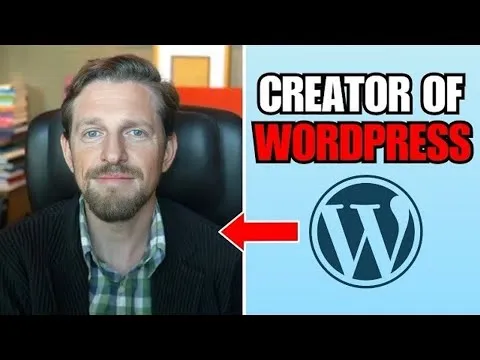
Matt Talks About WordPress Situation
Based on The PrimeTime's video on YouTube. If you like this content, support the original creators by watching, liking and subscribing to their content.
Mullenweg frames the dispute as a trademark and contribution problem: WP Engine allegedly uses “WP” branding in ways that cross trademark boundaries while operating without a trademark license.
Briefing
The dispute centers on whether WP Engine has been using WordPress and related trademarks in ways that violate Automattic’s trademark rights—and whether the company has repeatedly delayed a settlement that would require paying a trademark license fee or contributing engineering time back to the WordPress ecosystem. Matt Mullenweg frames the issue as a long-running pattern: WordPress was broadly “free to use” under earlier terms, but WP Engine was later told it must pay “or else,” with the pressure reportedly arriving shortly before WordCamp. The immediate consequence is that WP Engine users can’t update WordPress plugins/themes in the usual way for a period, raising fears about site maintenance and security.
Mullenweg argues the core problem isn’t just that WP Engine hosts WordPress—it’s how the company brands and packages that relationship for customers. He points to WP Engine’s use of “WP” in product naming (including a plan previously called “core WordPress”) and says the company’s marketing and implementation go beyond what he considers acceptable trademark use. He also claims WP Engine’s approach confuses consumers: while “WP” is used widely across the ecosystem (e.g., “WP Beginner,” plugins, and other WordPress-related products), WP Engine’s specific branding and customer-facing presentation allegedly crosses a legal line.
Beyond trademark concerns, Mullenweg says WP Engine has built a large business “on the backs of confusion” while contributing little back to WordPress.org. He cites what he describes as minimal community support—no trademark license, no donation to the WordPress Foundation, and limited engineering contribution—despite operating at scale (he references roughly 1.5 million WordPress installs). He contrasts that with other hosts that, in his account, maintain trademark agreements and contribute more, even if they earn less.
A major theme is control and cost. Mullenweg argues WP Engine can technically mirror WordPress.org resources—plugin directories, update servers, and other infrastructure—because it controls the code running on customer sites. He suggests WP Engine could replicate the services that WordPress.org provides (even though it would be expensive), but chooses not to because it would reduce profit. He also claims WP Engine has previously changed code across its customer base unilaterally, including actions he says broke or hid features on many sites.
When pressed on “why now,” Mullenweg rejects the idea that this is sudden. He describes years of negotiations and meetings with WP Engine leadership, offering a settlement structure that could combine a trademark fee with engineering contributions (including an option framed as percentages of revenue). He says WP Engine repeatedly delayed, and he alleges the company also ran smear campaigns—contesting his behavior and portraying him negatively—while withholding the kind of agreement he says would end the conflict.
In the closing exchange, Mullenweg offers a concrete target: he believes a “fair amount” would be around 8% of WP Engine revenue, payable either as a trademark license fee to Automattic (with additional engineering hired for core) or as direct engineering contributions. He also says WP Engine’s best path to supporting open source is to sign a trademark license and contribute in measurable ways, arguing that the ecosystem would benefit if WP Engine’s resources were directed into WordPress core and community infrastructure.
Cornell Notes
The dispute between Automattic (WordPress) and WP Engine centers on trademark use and the level of contribution WP Engine provides back to the WordPress ecosystem. Matt Mullenweg argues WP Engine’s “WP” branding and customer-facing packaging cross trademark boundaries and confuse consumers, and that WP Engine has operated without a trademark license while contributing little to WordPress.org or the WordPress Foundation. He also claims WP Engine can technically mirror WordPress.org updates and plugin directories because it controls customer code, but avoids doing so because it would be costly. Mullenweg frames the current update disruption as a consequence of unresolved negotiations and offers a settlement model: a trademark license fee or engineering contributions (including a proposed ~8% revenue figure).
What does Matt Mullenweg say is the main legal/business issue with WP Engine’s use of “WP” and WordPress branding?
Why does Mullenweg say the current disruption matters to the community?
What settlement options does Mullenweg say WP Engine was offered?
How does Mullenweg address the question “Why now?”
What evidence does Mullenweg offer to show the dispute is long-running rather than sudden?
What does Mullenweg say about other hosts and trademark licensing?
Review Questions
- What trademark-related behaviors does Mullenweg cite as the reason WP Engine’s “WP” usage is unacceptable, and how does he connect that to consumer confusion?
- How does the argument about WP Engine controlling customer code support the claim that WP Engine could mirror WordPress.org updates if it chose to?
- What settlement structure does Mullenweg propose (fee vs engineering hours), and what revenue-based figure does he later call “fair”?
Key Points
- 1
Mullenweg frames the dispute as a trademark and contribution problem: WP Engine allegedly uses “WP” branding in ways that cross trademark boundaries while operating without a trademark license.
- 2
He argues WP Engine’s customer-facing packaging confuses consumers, citing examples like a plan previously named “core WordPress.”
- 3
WP Engine is described as controlling the code running on customer sites, enabling instant changes and making it technically possible to mirror WordPress.org update infrastructure.
- 4
Mullenweg claims WP Engine has contributed little to WordPress.org or the WordPress Foundation and has not signed a trademark license, despite operating at large scale.
- 5
Negotiations are portrayed as long-running, with Mullenweg offering settlement options combining trademark fees and engineering contributions; he says WP Engine chose “zero.”
- 6
A proposed resolution includes a trademark license fee or engineering contributions, with Mullenweg later suggesting ~8% of revenue as a fair figure.
- 7
Mullenweg argues the ecosystem would benefit if WP Engine directed resources into WordPress core and community infrastructure rather than relying on open-source code without adequate backflow.