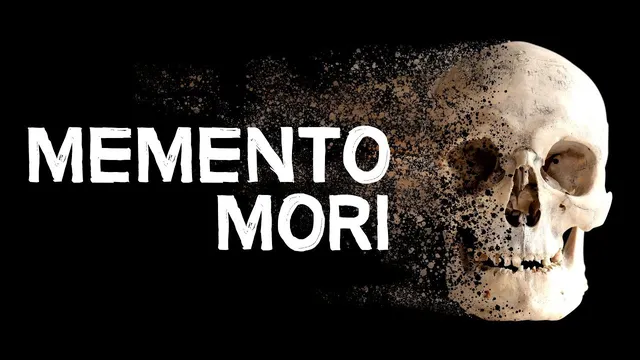
Memento Mori | Stoic Exercises For Inner Peace
Based on Einzelgänger's video on YouTube. If you like this content, support the original creators by watching, liking and subscribing to their content.
Memento mori (“remember thou art mortal”) is presented as a Stoic practice that makes mortality a daily priority-setter.
Briefing
Memento mori—“remember thou art mortal”—is presented as a practical Stoic antidote to how people waste time and how they emotionally mis-handle death. By keeping mortality in view, the practice is meant to sharpen priorities: life is finite, decay is inevitable, and death can arrive at any moment. That urgency matters because it turns abstract reflection into concrete action—if today were the last day, choices about what to do, say, and think would change immediately. The transcript frames this through a 1671 painting by Philippe de Champaigne, where an hourglass signals life ticking away second by second, a rose symbolizes the truth of vitality ending in decay, and a skull represents death not only for oneself but for loved ones.
Stoicism then draws a line from mortality awareness to behavior. The practice is described as a direct counter to procrastination: procrastination depends on a belief in abundant time, but memento mori removes that illusion and forces tasks to be handled now because tomorrow may not exist. The transcript also distinguishes motivation from fear. Thinking about death can produce fear and sorrow, but those feelings are attributed not to death itself, but to the opinions and notions people form about death. Epictetus is quoted to make the point that people are “disturbed, not by things, but by the principles and notions” they attach to those things—death is not inherently terrible, the terror comes from believing it is. When fear is reduced and death is treated as the unavoidable consequence of life, time becomes something to appreciate rather than squander on petty concerns.
A second dimension is preparation for loss. The transcript acknowledges that Stoic ideals are difficult because grief is real and attachment is human. Still, repeatedly reminding oneself that separation through death is possible “as we speak” is said to reduce shock when loss occurs. Instead of clinging to someone as if separation could be prevented, the Stoic approach encourages embracing the reality that separation will come—without denying grief. The goal is not emotional numbness but steadier functioning: mourning can coexist with a mindset that has already accounted for mortality, making people more helpful and grounded for their communities when death arrives.
Finally, the transcript turns to what lies beyond death—whether eternal nothingness or a return to the material world—while insisting that certainty is impossible. What remains certain is mortality itself. The closing message is a reciprocal attitude: when death “smiles” at anyone no matter where they go, the suggested response is to “smile back,” meeting the inevitability of dissolution with readiness rather than avoidance.
Cornell Notes
Memento mori (“remember thou art mortal”) is framed as a Stoic practice that improves how people use time and handle grief. Mortality awareness is linked to action: if death could come today, procrastination loses its footing and priorities shift toward virtue, love, and unfinished business. Fear is treated as a mental interpretation rather than a property of death itself, echoing Epictetus’s idea that people are disturbed by their beliefs about events. The practice also supports preparation for loss by making separation less shocking when it happens, without requiring the absence of mourning. Even though what comes after death is unknown, the certainty of death’s approach is used to cultivate readiness and steadier living.
How does memento mori function as an antidote to procrastination?
Why does the transcript separate fear of death from death itself?
What does “preparation” mean in the context of Stoic loss and grief?
How does the transcript use the painting by Philippe de Champaigne to explain memento mori?
What guidance is offered about how to live if death were imminent?
Review Questions
- What specific beliefs about time does memento mori challenge, and how does that change behavior?
- According to the transcript’s Epictetus quotation, where does fear originate—death itself or something else? Explain the distinction.
- How can someone be “prepared” for loss without eliminating grief, and what practical effect is claimed for community life?
Key Points
- 1
Memento mori (“remember thou art mortal”) is presented as a Stoic practice that makes mortality a daily priority-setter.
- 2
Mortality awareness is linked to reducing procrastination by undermining the assumption of abundant time.
- 3
Fear and sorrow are framed as reactions to beliefs about death, not death itself, echoing Epictetus’s view that people are disturbed by their notions.
- 4
Living as if death could come today shifts choices toward virtue, love, and resolving unfinished business.
- 5
Preparation for loss is described as mental readiness for separation, aiming to reduce shock when grief arrives.
- 6
The transcript insists that what happens after death is unknown, but the certainty of death’s approach is used to cultivate readiness rather than avoidance.