My Honest Advice for Someone Who Wants To Do a PhD (Must Know)
Based on Andy Stapleton's video on YouTube. If you like this content, support the original creators by watching, liking and subscribing to their content.
A PhD should be chosen for genuine curiosity about research, not for the prestige of the title or the desire to feel clever.
Briefing
A PhD is often sold as a badge of cleverness, but the day-to-day reality is frequently boring, frustrating, and anxiety-inducing—so the most important decision is whether someone actually wants the process, not just the title. Advice centers on separating the fantasy of being “the amazing lab person” from the real work: long stretches of preparation, admin, safety and ethics checks, presentations, writing up results, learning new skills, and doing the unglamorous tasks that make research possible. If someone is only drawn by the idea of ending with “Doctor” (or by self-worth and ego), that motivation tends to backfire; the credential can wear off quickly and may not open doors beyond low-paid academic roles that require the PhD in the first place.
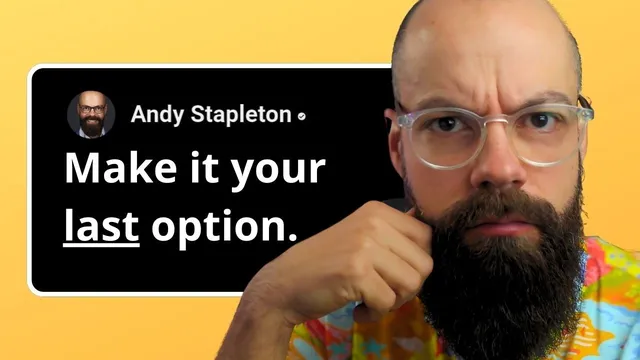
The guidance is to treat a PhD as a last option after exploring alternatives like jobs, government work, or entrepreneurship—especially since time can be an advantage for people who want to build something outside academia. The “real reason” should be a genuine interest in the research itself: wanting to know more about a specific part of the world and being willing to live through the process. Liking a subject at undergraduate or master’s level doesn’t automatically translate into enjoying research work; the daily mechanics of doing a PhD can feel very different from coursework.
A major practical warning targets the choice of research group and supervisor. Many bright, enthusiastic students get “cut down” by an unsupportive principal investigator, and that outcome is described as avoidable if applicants spend enough time evaluating who they’ll work under. Instead of assuming a supervisor will be candid about fit, the advice is to “stalk” the supervisor in a structured way—looking for indicators of how the group operates and whether the environment supports students. The reason this matters is blunt: supervisors have incentives to recruit students to advance their own careers through papers, so they rarely frame the decision as “maybe you shouldn’t join.”
The transcript also calls out ego-driven motivations. Some people pursue a PhD to prove they’re special or to repair insecurity about not feeling worthy of being seen as “clever.” The speaker describes personal experience with an ego and chip-on-the-shoulder dynamic that initially pushed the decision, even if enjoyment came later. The takeaway is to interrogate whether the desire for a PhD is about research curiosity or about self-validation.
Finally, the advice warns against treating supervisors as neutral mentors for PhD decision-making. Because their careers depend on attracting students, they are unlikely to offer impartial guidance about whether a candidate should do a PhD with them, what topic to choose, or where to apply. The recommended stance is to seek information beyond the supervisor’s pitch—so the choice reflects the candidate’s interests and tolerance for the real, repetitive grind of research rather than a sales pitch for joining a lab.
Cornell Notes
A PhD should be chosen for a real desire to endure the research process, not for the prestige of the title or for ego. The daily life of a PhD is dominated by unglamorous tasks—preparing materials, handling admin, meeting safety and ethics requirements, taking courses, giving presentations, and writing up results—so liking a subject alone is not enough. Applicants are urged to treat a PhD as a last option after considering jobs, government roles, and entrepreneurship. Choosing the right supervisor and research group is critical because unsupportive environments can derail motivated students, and supervisors have incentives to recruit rather than offer impartial advice. The decision should be grounded in curiosity about a specific research area and honest self-checking of motivations.
Why does the transcript argue that “Doctor” prestige is a weak reason to start a PhD?
What does “real interest” in a PhD mean in this advice?
What are the concrete day-to-day realities of PhD life highlighted here?
Why is choosing a supervisor and research group treated as a make-or-break decision?
What does “stalk the supervisor” mean in practice, according to the transcript?
How does ego factor into the decision, and what self-check does the transcript recommend?
Review Questions
- What specific daily tasks of PhD life does the transcript use to challenge the “lab breakthroughs” fantasy?
- How do incentives for supervisors shape the reliability of their advice about whether someone should do a PhD?
- What alternatives to a PhD does the transcript suggest considering first, and why?
Key Points
- 1
A PhD should be chosen for genuine curiosity about research, not for the prestige of the title or the desire to feel clever.
- 2
The day-to-day reality of a PhD is dominated by repetitive, unglamorous work like admin, safety/ethics compliance, courses, presentations, and writing.
- 3
Liking a subject in coursework does not guarantee enjoyment of the research process, so candidates should verify what daily PhD life actually looks like.
- 4
Treat a PhD as a last option after exploring jobs, government work, and entrepreneurship.
- 5
Selecting the right research group and supervisor is crucial; unsupportive environments can derail even highly motivated students.
- 6
Supervisors have strong incentives to recruit students, so their guidance on PhD fit and topic choices is rarely impartial.
- 7
Before committing, candidates should audit ego-based motivations and ask whether insecurity is driving the decision.