My Video Went Viral. Here's Why
Based on Veritasium's video on YouTube. If you like this content, support the original creators by watching, liking and subscribing to their content.
YouTube’s recommendation system can break the simple link between views and video quality, making performance feel disconnected from effort.
Briefing
YouTube’s viral mechanics are pushing creators into a burnout loop: as the recommendation system changes what it rewards, creators chase shifting targets with ever-more clickable packaging—titles, thumbnails, and video length—until the feedback feels unreliable and expertise becomes impossible. The result is a platform where click-through rate and watch time increasingly determine what rises, and where educational channels can end up competing in the same attention economy as everything else.
The burnout thread starts with a familiar creator lifecycle. Early success brings rising views and a psychological “payoff,” but when performance stalls—especially after a channel reaches a large subscriber base—expectations anchored to past numbers can make ordinary declines feel catastrophic. Many creators then take personal responsibility, treating lower views as evidence their content quality has slipped. The central counterpoint is that the system itself can break the assumed link between views and quality: creators may be making strong work while the algorithm’s priorities, audience targeting, and promotion patterns shift under them.
A key piece of evidence comes from Google Trends patterns. Search interest for educational channels like Veritasium, Numberphile, and AsapSCIENCE follows similar curves over time, suggesting that audience discovery and promotion rise and fall in comparable ways across channels—even with different topics and schedules. That points to the algorithm as the common driver, not creator effort alone.
The algorithm’s job is to connect a largely ignorant audience to content they might like, in a setting where there are vastly more videos than any viewer can sample. To do that, YouTube has evolved its optimization targets: early ranking leaned on views, then shifted toward watch time, and it updates frequently enough to make outcomes feel fast and volatile. The practical implication is that creators can’t settle into stable mastery. Unlike chess, where rules stay fixed during a game, YouTube’s “rules of the game” keep changing—so feedback is constant, but the meaning of that feedback can drift.
This instability feeds a feedback loop between creators and the system. Creators don’t just wait for the algorithm; they adapt their content to match what gets promoted. Video length trends illustrate this: longer videos can increase watch time, and creators lengthen their work even without being directly told to. In a sharper thought experiment, if YouTube wanted “snail” videos, it could promote snail titles and thumbnails to manufacture demand, then creators would follow.
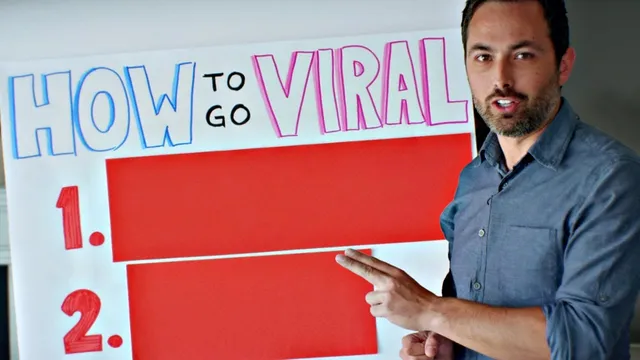
When it comes to virality, the argument narrows to two metrics: watch time (people must watch a significant portion) and click-through rate (how often viewers click when the video is shown). As click-through rate rises—toward thresholds like 10%, 20%, and 30%—views and impressions can jump dramatically. That makes thumbnails and titles a high-stakes “arms race,” with creators iterating aggressively, especially as real-time click-through rate measurement arrives.
The proposed response is pragmatic rather than idealistic: keep making high-quality videos, but choose more clickable topics and accept that packaging may need to be more sensational to survive. The broader concern is what happens if clickbait dominates the surface of the platform. The suggested counterweight is audience-side signaling: ringing the bell so subscribers receive uploads directly, reducing reliance on the recommendation system’s click-driven funnel. Finally, there’s hope that YouTube will shift toward long-term satisfaction—whether viewers return over months and report being satisfied—so virality depends less on immediate clicks and more on sustained value.
Cornell Notes
The core claim is that YouTube’s recommendation system creates a creator burnout loop by constantly shifting what it rewards. Creators adapt by chasing watch time and click-through rate, which can make “expertise” feel impossible because the rules keep changing. Evidence is drawn from similar Google Trends patterns across educational channels, implying that discovery and promotion rise and fall in system-driven ways. Virality is framed as two-part: people must click (high click-through rate) and then watch enough (watch time). The proposed mitigation is audience-side notification (ringing the bell) and a hope that YouTube will optimize for long-term satisfaction rather than clicks alone.
Why does the transcript treat YouTuber burnout as more than personal failure?
What does Google Trends data add to the argument?
How does the algorithm’s evolution affect what creators can realistically master?
Why are thumbnails and titles framed as central to virality?
What’s the “creator–algorithm” feedback loop described?
What practical strategy is offered to reduce dependence on clickbait incentives?
Review Questions
- How does the transcript distinguish between “views as a quality signal” and “views as a system output”?
- Explain why changing optimization targets (views → watch time) can increase both creator adaptation and creator burnout.
- What would it mean for YouTube to optimize for long-term satisfaction instead of click-through rate, and how might that change creator behavior?
Key Points
- 1
YouTube’s recommendation system can break the simple link between views and video quality, making performance feel disconnected from effort.
- 2
Creator burnout is framed as a lifecycle problem: early success anchors expectations, and later view drops can feel psychologically harsher.
- 3
Similar Google Trends patterns across educational channels suggest shared system-driven discovery cycles rather than purely creator-driven outcomes.
- 4
Virality is presented as two metrics: high watch time (people actually watch) and high click-through rate (people click when shown).
- 5
Frequent algorithm updates and shifting optimization goals make it hard for creators to settle into stable expertise.
- 6
Reducing subscription reliance increases the importance of sensational packaging because discovery depends more on what viewers click.
- 7
Audience-side notification (ringing the bell) is proposed as a way to lessen incentives for clickbait-driven packaging while hoping for a shift toward long-term satisfaction metrics.