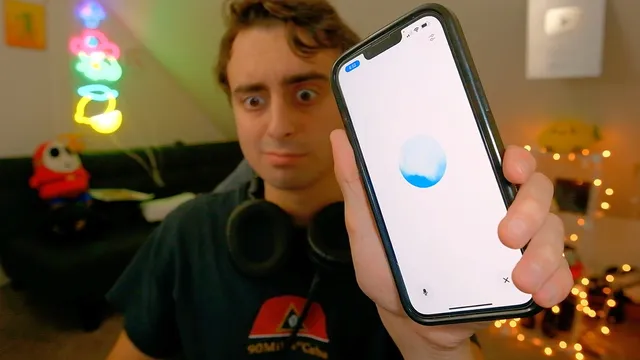
Open AI's SURREAL Advanced Voice Mode - DEEP DIVE & Testing!
Based on MattVidPro's video on YouTube. If you like this content, support the original creators by watching, liking and subscribing to their content.
Advanced Voice Mode can recognize and mirror emotional tone shifts—neutral/curious, energetic/intense, and sad/down—through changes in delivery.
Briefing
OpenAI’s Advanced Voice Mode delivers unusually lifelike, emotionally responsive conversation—complete with rapid tone shifts, varied voice styles, and convincing “real-time” back-and-forth—yet it arrives with notable gaps versus the earlier public demos and with strict guardrails that frustrate many users.
Early hands-on testing centers on whether the system can read and mirror emotional intent. In quick voice checks, it correctly identifies when a user sounds neutral, energetic/intense, or down/sad, then adjusts its own delivery accordingly. It also supports a wide range of accents and performance-like modes on demand—Irish, Russian, Indian, German, pirate-style theatrics, sports-commentator hype, and more—though it refuses certain requests such as singing in a “true” way. When asked to sing, the model repeatedly declines, and later attempts to comply get cut off with guideline-based refusals. That contradiction—being able to produce “song-like” phrasing in some contexts while refusing explicit singing—becomes one of the clearest friction points in the testing.
The testing also highlights what’s missing from the original demo promise. The earlier showcase suggested richer multimodal interaction, including the ability to show what’s on a phone camera and have the model see and respond to it live. In this release, that live image/video capability isn’t available, and even uploading an image doesn’t work in Advanced Voice Mode. The audio quality is described as emotionally expressive but not as crisp as top-tier text-to-speech tools like ElevenLabs, and the system can cut out intermittently—likely tied to server load shortly after release.
Beyond feature gaps, the restrictions extend into everyday questions and safety boundaries. The model won’t provide “who’s running for president,” citing lack of up-to-date information, and it also appears to gate certain behaviors (like stuttering) inconsistently—sometimes denying them even when the user tries to steer toward them. Users report that availability is limited by region: Advanced Voice Mode isn’t accessible in parts of Europe (including the UK, EU countries, and several others listed), even for paying ChatGPT Plus subscribers. A workaround via VPN is widely discussed in the community, though it’s framed as something users attempt rather than an official solution.
Rate limits also change how people can use the feature. Leaving Advanced Voice Mode “sitting around” can burn through the quota quickly, even when muted, so the mode can’t be treated like an always-on companion the way some demo impressions suggested.
Overall, the hands-on conclusion is a split verdict: Advanced Voice Mode feels remarkably conversational and expressive, but it’s less capable than what the demos implied—especially on multimodal live viewing and singing—and the guardrails can be both confusing and overly restrictive. The testing ends with a call for broader access, more of the demo-level features, and fewer constraints that block harmless requests.
Cornell Notes
Advanced Voice Mode can detect a user’s emotional tone (neutral/curious, energetic/intense, sad/down) and respond with matching delivery, making conversations feel unusually natural. It also supports many accents and character-like speaking styles, but it repeatedly refuses explicit singing and certain performance requests (like stuttering), even when users try to steer around the rules. Compared with earlier demos, key multimodal features—especially live camera viewing and image-based reasoning—aren’t available in the released experience. Regional availability is limited for some countries/regions despite ChatGPT Plus payment, and rate limits require active use rather than leaving the mode idle. The result is impressive voice interaction paired with missing demo promises and strict guardrails.
How does Advanced Voice Mode handle emotional tone in real time?
What requests does it perform well, and what does it refuse?
What major demo-era capabilities are missing in the released Advanced Voice Mode?
Why do users experience interruptions or degraded performance during testing?
How do availability limits and rate limits shape real-world use?
What kinds of factual questions get blocked, and why?
Review Questions
- What evidence from the tone tests suggests Advanced Voice Mode can reliably track emotional intent?
- Which missing capabilities most directly reduce the usefulness of Advanced Voice Mode compared with the earlier demo expectations?
- How do regional availability and rate limits change who can use the feature and how they can use it day to day?
Key Points
- 1
Advanced Voice Mode can recognize and mirror emotional tone shifts—neutral/curious, energetic/intense, and sad/down—through changes in delivery.
- 2
The system supports many accents and expressive speaking styles, but it repeatedly refuses explicit singing and some performance behaviors like stuttering.
- 3
Live camera-based multimodal interaction from the earlier demo is not available in the released Advanced Voice Mode, and image upload doesn’t work in this mode.
- 4
Audio output is emotionally diverse but not as clear as leading text-to-speech tools such as ElevenLabs, and cutouts can occur during heavy server load.
- 5
Regional availability is limited for some countries/regions despite ChatGPT Plus subscription, and community members discuss VPN workarounds.
- 6
Rate limits make “always-on” usage impractical; leaving the mode idle can drain quota quickly even when muted.