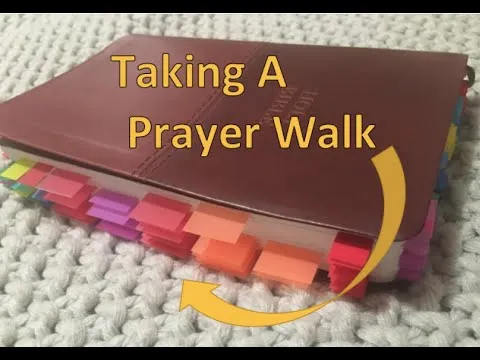
Prayer Bible / War Binder: Taking A Prayer Walk Through My Bible
Based on Bible Notetaking with Katie 's video on YouTube. If you like this content, support the original creators by watching, liking and subscribing to their content.
The binder organizes Scripture into tabs that move from spiritual conflict to personal choice, then to God’s transforming power, and finally to end-time hope.
Briefing
A “warbinder prayer Bible” layout turns a personal Bible study into a structured reminder of spiritual conflict—pinning down what Scripture says about Satan’s mission, the believer’s choices, God’s help, and the promised end. The core payoff is emotional and spiritual: working through the tabs is meant to “reset” the reader into a battle-aware mindset, replacing drifting thoughts with a deliberate focus on God’s promises.
The first column of larger tabs centers on the “great controversy” and Satan’s activity. Isaiah 14:12–14 and Ezekiel 28:12–19 are used to highlight pride and the destructive intent behind Satan’s fall and ongoing work. First Peter 5:8–9 adds a practical warning—be sober and vigilant because the devil is portrayed as a roaring lion seeking to devour. Revelation 12:12 then frames the urgency: woe to the earth because the devil has come down with “great wrath,” knowing his time is short. The takeaway is not just that temptation exists, but that spiritual danger is real and persistent, requiring awareness rather than complacency.
The next set of tabs shifts from the enemy’s strategy to the reader’s responsibility. Genesis 6:5 and Isaiah 64:6 emphasize the depth of human corruption—wickedness is not merely external behavior but rooted in imagination and righteousness described as “filthy rags.” Several passages press accountability and sincerity. Ezekiel 33:13 is used to reject the idea that salvation automatically guarantees ongoing righteousness; trusting in one’s own righteousness while choosing iniquity leads to real consequences. Matthew 15:8–9 warns against “mouth service” that honors God with lips while the heart stays far away. Romans 7:14–20 portrays inner conflict—wanting good but finding oneself pulled toward evil—reinforcing the need for divine help rather than self-reliance.
A third section highlights God as the “hero” who enables change. Deuteronomy 30:15–20 frames life and death as set before the reader, urging a choice to love God and cleave to Him. Job 14:4 underscores human inability—no one can bring a clean thing from an unclean. Psalm 139:23–24 models an approach to prayer: invite God to search the heart and lead “in the way everlasting.” Ezekiel 36:22–37 expands the promise of transformation, describing God cleansing, giving a new heart and spirit, and causing obedience. New Testament anchors reinforce this hope: John 1:29 and John 3:16 point to Christ as the sin-bearer and the source of everlasting life; Romans 7:24–25 thanks deliverance through Jesus; Philippians 1:6 promises God will complete the work He begins.
The purple tabs then focus on the believer’s daily “job”: turning Scripture into prayer, renewing the mind, and waging spiritual warfare through thought control and obedience. Romans 12:2 and 2 Corinthians 10:3–6 emphasize transformation and capturing thoughts for Christ. Galatians 5:16–26 contrasts walking in the Spirit with the works of the flesh, culminating in the fruit of the Spirit. Ephesians 6:10–20 points to the armor of God as a self-prayer practice.
Finally, the red tabs end with promises of God’s presence and a guaranteed conclusion to suffering. Deuteronomy 31:8 and Psalm 91 stress God’s guidance and protection. Nahum 1:9 is used to argue that affliction will not rise again. The sequence culminates in visions of restoration—1 Corinthians 13:12, 1 John 3:1–3, Revelation 21:4, and Revelation 22:1–6—where tears end, death is gone, and the river of life brings healing. The binder’s purpose is to keep the mind anchored: battle is real, but God’s help is stronger, and the end is certain.
Cornell Notes
The “warbinder prayer Bible” organizes Bible passages into tabs meant to keep a believer focused on spiritual conflict and God’s promises. The layout starts by reminding readers of Satan’s mission and urgency (Isaiah 14, Ezekiel 28, 1 Peter 5, Revelation 12), then confronts human corruption and the need for sincere, ongoing faithfulness (Genesis 6, Isaiah 64, Ezekiel 33, Matthew 15, Romans 7). A central section emphasizes God as the source of cleansing and transformation (Deuteronomy 30, Job 14, Psalm 139, Ezekiel 36, John 1:29, John 3:16, Romans 7:24–25, Philippians 1:6). The final tabs shift to daily practice—prayer, renewing the mind, spiritual warfare, and walking in the Spirit (Romans 12:2, 2 Corinthians 10, Galatians 5, Ephesians 6)—then end with hope in God’s presence and a definitive end to suffering (Deuteronomy 31:8, Psalm 91, Nahum 1:9, Revelation 21–22).
How do the early tabs frame the “battle” in concrete terms rather than vague fear?
What passages are used to challenge the idea that salvation automatically guarantees continued righteousness?
Why does the binder emphasize “God as hero” instead of self-improvement?
What does “daily job” look like in the binder’s practice section?
How do the final tabs build hope when the world feels like it will never end?
Review Questions
- Which specific passages are used to depict Satan’s mission, and what practical response do they demand from the reader?
- How does the binder connect inner conflict (Romans 7) to the need for God’s cleansing and deliverance (Ezekiel 36; Romans 7:24–25)?
- What daily practices are emphasized for spiritual warfare—especially thought control and walking in the Spirit—and which verses support each?
Key Points
- 1
The binder organizes Scripture into tabs that move from spiritual conflict to personal choice, then to God’s transforming power, and finally to end-time hope.
- 2
Isaiah 14:12–14, Ezekiel 28:12–19, 1 Peter 5:8–9, and Revelation 12:12 are used to stress Satan’s active, time-limited hostility and the need for vigilance.
- 3
Ezekiel 33:13 and Matthew 15:8–9 are used to emphasize accountability and sincerity—faith must show up in ongoing obedience, not just words.
- 4
God’s role as “hero” is reinforced through passages like Job 14:4, Psalm 139:23–24, and Ezekiel 36:22–37, which describe cleansing, new hearts, and divine leadership.
- 5
Daily spiritual work is framed as renewing the mind (Romans 12:2), taking thoughts captive (2 Corinthians 10:3–6), and walking in the Spirit (Galatians 5:16–26).
- 6
Ephesians 6:10–20 is positioned as a prayer practice for putting on the armor of God.
- 7
The closing tabs aim to anchor endurance with promises of God’s presence and a definitive end to suffering (Deuteronomy 31:8, Psalm 91, Nahum 1:9, Revelation 21:4; Revelation 22:1–6).