Radical Simplicity
Based on The PrimeTime's video on YouTube. If you like this content, support the original creators by watching, liking and subscribing to their content.
Radical Simplicity targets complexity that isn’t required by the problem—framework ceremony, orchestration overhead, and integration plumbing that slow teams down.
Briefing
“Radical Simplicity” argues that most modern software complexity is accidental—created by an overgrown stack, ceremony, and tooling—rather than required by the actual problem. That extra complexity slows development, makes testing brittle, and pushes teams away from business logic toward constant integration work. The cure is to keep the number of moving parts low, reuse existing technology, and start with the simplest viable data and architecture so edge cases are discovered in the real system rather than designed into a sprawling framework ecosystem.
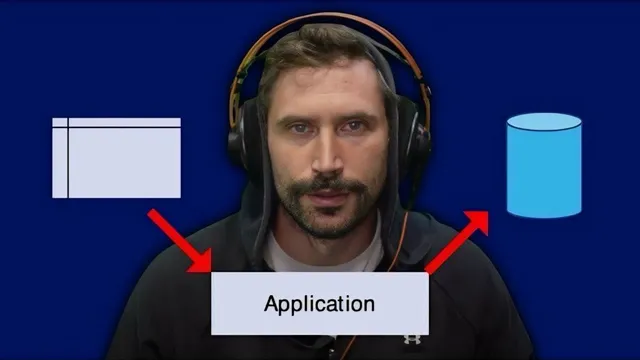
A recurring theme is that teams often build “plumbing” instead of products. Adding a single form field can take hours when the surrounding system is tangled in serialization layers, database-to-object-to-JSON-to-UI state merging, and versioned dependencies across front end, back end, and infrastructure. Bugs tend to cluster in that same pipeline—ordering, state transitions, and update propagation—while the lines of code that truly implement business rules remain a small fraction of total effort. The result is a development environment where engineers spend most of their time managing mocks, local databases, Docker images, and long build pipelines instead of shipping features.
The transcript contrasts this with experiences where lean stacks feel fast and predictable: full-page reloads that are still “instant,” minimal JavaScript, and server-rendered approaches that avoid SPA complexity when it isn’t needed. It also points to the idea of “shallow domains,” where most work becomes data transformation and I/O rather than deep, domain-specific logic. Radical Simplicity aims to reverse that ratio—fewer abstractions, fewer frameworks, and fewer custom moving parts—so developers can get into flow, onboard faster, and debug quickly.
Infrastructure is treated as a major source of artificial complexity. Kubernetes is singled out as a common example of using heavy orchestration to manage microservice sprawl, which then cascades into AWS complexity and operational overhead. The transcript also warns that “conference-driven development” can push teams toward fashionable architectures and frameworks that are hard to hire for and hard to reason about, even when simpler choices would work.
Practically, Radical Simplicity means starting with proven components—often PostgreSQL—then extending only when necessary. The message is not anti-technology; it’s anti-overreach. When performance or features truly outgrow the initial setup, teams should scale in a measured way (for example, vertical scaling before horizontal) and add capabilities incrementally rather than pre-planning a full web-scale stack from day one. The payoff is faster feature delivery, fewer breakpoints, reduced upgrade burden, and a higher chance of startup success.
The transcript closes by tying the approach to management and process: keep coordination lightweight, avoid ceremony-heavy systems unless they’re genuinely needed, and focus on solving real business problems rather than building elaborate systems that exist mainly to satisfy architectural ambition.
Cornell Notes
Radical Simplicity argues that much software complexity is accidental—born from overgrown stacks, orchestration, and tooling—rather than from the real requirements of the product. That complexity slows development, makes testing and debugging harder, and shifts effort away from business logic toward serialization, state management, and integration “plumbing.” The proposed remedy is to reduce moving parts, start with proven building blocks (often PostgreSQL), and extend the system only when edge cases or scale demands it. The approach is framed as both an engineering strategy (fewer things to break, faster onboarding, easier debugging) and a startup strategy (faster delivery, easier pivoting, higher odds of success).
What makes complexity “accidental” in this framework, and why does it matter day-to-day?
Where do bugs tend to cluster, and what does that imply about where to simplify?
Why does the transcript treat Kubernetes and microservices as a common source of artificial complexity?
How does Radical Simplicity recommend choosing technologies and scaling paths?
What does “deep domains” mean here, and how does the stack affect it?
What is the practical meaning of “reuse technology for different purposes” instead of adding new moving parts?
Review Questions
- Which parts of the system tend to consume the most time and produce the most bugs according to the transcript, and how would you redesign to reduce them?
- What decision criteria does Radical Simplicity suggest for when to add new infrastructure components (like orchestration or specialized databases)?
- How does the transcript connect “flow” and fast debugging to architectural choices, and what would you measure to validate that connection?
Key Points
- 1
Radical Simplicity targets complexity that isn’t required by the problem—framework ceremony, orchestration overhead, and integration plumbing that slow teams down.
- 2
Bugs and delays often concentrate in serialization and state-transition paths (DB-to-objects-to-JSON-to-UI store merging), not in the core business rules.
- 3
Heavy infrastructure like Kubernetes frequently arrives after microservice sprawl that outpaces real user demand, creating artificial operational burden.
- 4
Lean stacks can preserve user experience while avoiding unnecessary SPA complexity; server-rendered or minimal-JS approaches can feel fast and reduce moving parts.
- 5
Start with proven components—often PostgreSQL—and extend only when edge cases or scale truly demand it; scale vertically before horizontally when possible.
- 6
Measure whether your “app” is mostly unique business logic or mostly framework/service integration; if it’s mostly plumbing, the product value is likely thin.
- 7
Process and management should stay lightweight: avoid ceremony-heavy routines unless the team’s size and coordination needs genuinely require them.