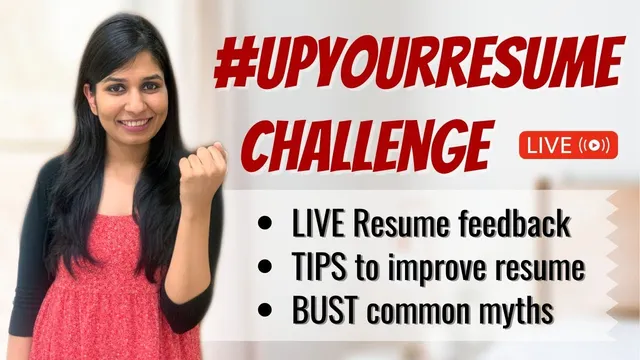
Resume Feedback | Resume Samples | Do's and Dont's of resumes
Based on WiseUp Communications's video on YouTube. If you like this content, support the original creators by watching, liking and subscribing to their content.
Keep full name, phone, email, and relevant links (LinkedIn and professional profiles) while avoiding date of birth and place of birth to reduce bias risk.
Briefing
A strong resume isn’t about cramming achievements into two pages—it’s about making the hiring manager’s job easy: clear structure, relevant content, and proof of impact. Across three student resumes, the recurring problems were wasted space, confusing layouts (especially two-column designs), and vague bullet points that list responsibilities without context or measurable outcomes. The fixes are practical: prioritize the right sections, tighten formatting, and rewrite experience using a challenge–action–result (CAR) pattern.
The first resume earned praise for standout academics (a 9.7/10 GPA, rank 1 out of 132) and well-explained projects, but it still needed major cleanup. Personal details were taking up too much space, and sensitive items like date of birth and place were flagged as unnecessary and potentially bias-inducing. The guidance was to keep “non-negotiables” (full name, phone, email, LinkedIn, and other relevant links like GitHub/CodeChef/Codeforces) while compressing the rest into a single line strip. Section order also mattered: education should come immediately after personal information for college students, followed by projects/internships, then technical projects, then competitions.
The feedback then targeted credibility. Awards and positions of responsibility were listed without explanation—readers couldn’t tell what the honor meant or how competitive it was. The recommendation: add one-line context for awards (what it is, why it was earned, and how many people received it) and specify responsibilities with dates and outcomes. Skills and courses were also treated as “selective,” not exhaustive: list only relevant skills (optionally grouped by category) and include only a few job-relevant courses rather than a long catalog. Finally, the resume length was challenged: if a candidate has under five years of work experience, aim for one page, and eliminate excess margins so everything fits cleanly.
The second resume highlighted a different set of issues. It leaned on a recognizable template style (Nova resume) and used a creative, two-column layout. The critique: creative formats can work for modern, innovative companies, but they may fail with traditional employers—and two-column designs can confuse both human readers and ATS systems. A picture was also discouraged due to bias risk. The content was more diverse and detailed, but bullet points needed sharper storytelling. The CAR framework was emphasized again: describe the challenge, the action taken, and the result, ideally with numbers (e.g., percentage increases, customer growth, viewership, or participation). Even when projects were detailed, the advice was to keep statements crisp so information doesn’t sprawl across pages.
The third resume was closest to the mark—its one-page, one-column layout looked clean and readable. Still, it needed refinement: LinkedIn and other online profiles should be included, education shouldn’t be in a rigid table format, and CGPA could be omitted if it’s not strong (with the caveat that some internships/colleges may require it). With no internship experience, the next best section should be key academic/technical projects. Positions of responsibility and extracurriculars should be strengthened with specific metrics, not vague claims like “designed several posters.”
The session closed with Q&A covering volunteering placement (it can go under extracurriculars, leadership, or a dedicated volunteering section), resume vs. CV differences (CVs are broader and used for academia), formatting rules (consistent sans-serif fonts like Arial/Calibri, avoid excessive bolding), and a firm warning against exaggerating skills—because interviews and background checks can expose inconsistencies. Overall, the message was consistent: tailor the resume to the role, prioritize clarity, and prove impact with context and measurable results.
Cornell Notes
The core takeaway is that resumes should be easy to scan and tailored to the job, not padded with irrelevant details or confusing layouts. Across three examples, the biggest issues were wasted space, unnecessary personal data (like date of birth), weak section ordering, and bullet points that lacked measurable outcomes. Stronger resumes used a clear structure (education early for students, then projects/experience) and rewrote achievements using the CAR method: challenge, action, result—preferably with numbers. One-page, one-column formatting was repeatedly favored for early-career candidates, while creative templates and two-column layouts were treated as risky for ATS and traditional employers. The result: hiring managers can quickly understand fit, impact, and credibility.
Which personal details are considered “non-negotiable,” and which should be avoided on a resume?
What section order is recommended for college students?
How should awards and positions of responsibility be written to build credibility?
What is the CAR method, and how does it improve resume bullet points?
When is a one-page resume preferred over two pages, and what formatting pitfalls were called out?
How should volunteering experience be handled on a resume?
Review Questions
- If a resume includes date of birth and place of birth, what risks were highlighted, and what should replace that space?
- Rewrite one vague bullet you might have (“worked on a project” or “designed posters”) into CAR format with a measurable result.
- Why might a two-column creative resume be harder for ATS systems, and what layout choice was recommended instead for early-career candidates?
Key Points
- 1
Keep full name, phone, email, and relevant links (LinkedIn and professional profiles) while avoiding date of birth and place of birth to reduce bias risk.
- 2
Compress personal information into a single strip so it doesn’t consume disproportionate space.
- 3
For college students, place education immediately after personal information, then organize projects/internships, technical projects, and competitions into clear categories.
- 4
Strengthen awards and leadership entries with one-line context and metrics (what it is, why it was earned, and how many people were involved).
- 5
Use CAR (Challenge–Action–Result) for projects and work experience, and include numbers wherever possible.
- 6
Prefer one-page, one-column resumes for early-career candidates; if using two pages, fill both pages and avoid excessive margins.
- 7
Tailor the resume to the target role and avoid exaggerating skills, since interviews and background checks can expose inconsistencies.