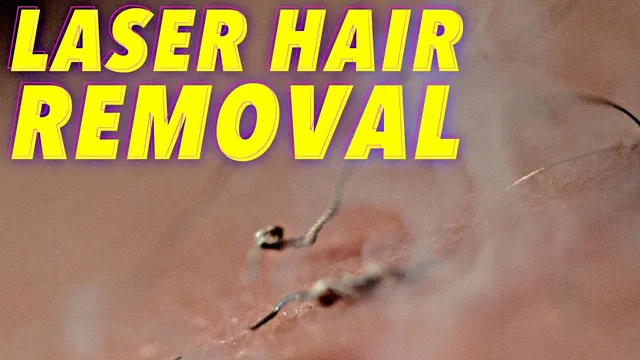
Science of Laser Hair Removal in SLOW MOTION
Based on Veritasium's video on YouTube. If you like this content, support the original creators by watching, liking and subscribing to their content.
Laser hair removal targets melanin-rich hair using infrared wavelengths (such as 1064 nm) that skin components absorb less efficiently.
Briefing
Laser hair removal works by targeting melanin-rich hair with carefully timed infrared laser pulses so the follicle’s germ cells overheat and stop producing hair—without overheating the surrounding skin. The key is selectivity: melanin in dark hair absorbs laser energy far more strongly than common skin components like water and oxyhemoglobin, letting the treatment heat the hair shaft and follicle while limiting collateral damage.
In slow-motion demonstrations, the laser used has a wavelength of 1064 nanometers (infrared, invisible to the eye). Without an infrared filter, cameras can still capture the pulses, which arrive in short bursts; the energy is delivered in high doses (for example, 25 joules per square centimeter in the described setup). As the laser energy is absorbed, the hair heats to temperatures well above 100°C. That extreme heating rapidly vaporizes water inside the hair, creating visible “bubbles” and a puffed look—sometimes accompanied by a plume of smoke-like material.
The goal isn’t to scorch the visible hair for cosmetic effect. The real target is the follicle’s germ cells—the cells that generate new hair. When those cells are heated enough, they undergo protein and collagen denaturation. The transcript highlights a threshold: cells suffer damage when temperatures rise above about 60°C, and the likelihood of cell death increases with both higher temperature and longer time at that temperature.
A major engineering challenge is preventing heat from spreading outward into tissue that should remain unharmed. The solution is a sequence of ultrashort pulses rather than continuous heating. Each pulse delivers energy to raise the temperature in the hair and adjacent follicle cells, then the laser turns off briefly enough that heat doesn’t diffuse too far into the surrounding skin. If the system instead kept heating continuously, both the germ cells and the unwanted neighboring skin would warm up, raising the risk of burns.
There’s also an irony in the mechanism. Melanin normally protects skin by absorbing harmful light before it penetrates deeper. Laser hair removal flips that protective role: by “overpowering” melanin with laser energy, the same pigment becomes the heat source that damages the follicle cells.
Preparation matters too. Shaving beforehand reduces the amount of energy wasted on burning the external hair and prevents hot hair from contacting the skin surface and causing surface burns. The transcript also notes that early laser hair removal traces back to the first working laser in 1960, credited to Theodore Maiman, who famously described lasers as “a solution looking for a problem”—a remark that now feels prescient given how widely laser hair removal is requested.
Overall, the science boils down to three linked factors: melanin-selective absorption, extreme but localized heating that drives denaturation in follicle germ cells, and pulse timing that confines thermal damage to the target region. That combination explains why the procedure can reduce hair growth while aiming to keep skin injury to a minimum.
Cornell Notes
Laser hair removal relies on melanin-selective absorption: dark hair contains melanin that absorbs infrared laser light (notably 1064 nm) far more than skin components like water and oxyhemoglobin. Absorbed energy heats the hair above 100°C, rapidly vaporizing water and creating visible bubbling, but the cosmetic goal is secondary. The real target is the follicle’s germ cells; damage increases when temperatures exceed ~60°C because proteins and collagen denature, and higher temperature plus longer exposure raises the chance of cell death. Ultrashort pulse sequences limit heat diffusion, reducing the risk of burns to surrounding skin. Shaving beforehand helps avoid wasting energy on external hair and prevents hot hair from contacting skin surfaces.
Why does laser hair removal work best on dark hair and light skin?
What happens to hair when it absorbs the laser energy?
What temperature matters for damaging follicle germ cells, and why?
Why use a sequence of ultrashort pulses instead of continuous heating?
How does shaving before treatment improve outcomes?
What’s the “irony” described about melanin’s role?
Review Questions
- How do melanin’s absorption properties at 1064 nm help laser hair removal target hair more than skin?
- Explain how ultrashort pulse timing reduces the risk of burns compared with continuous laser heating.
- What biological mechanism links follicle germ cell damage to temperature (including the role of denaturation)?
Key Points
- 1
Laser hair removal targets melanin-rich hair using infrared wavelengths (such as 1064 nm) that skin components absorb less efficiently.
- 2
Absorbed laser energy heats hair to above 100°C, rapidly vaporizing water and producing visible bubbling and puffing.
- 3
The procedure aims to damage follicle germ cells, not merely destroy the visible hair shaft.
- 4
Cell damage increases when temperatures exceed roughly 60°C because protein and collagen denature; higher temperature and longer exposure worsen outcomes.
- 5
Ultrashort pulse sequences limit heat diffusion so the follicle heats up while surrounding skin has less time to overheat.
- 6
Shaving beforehand reduces wasted energy on external hair and helps prevent hot hair from causing surface burns.
- 7
The mechanism flips melanin’s normal protective role: melanin absorbs the laser energy and becomes the heat source that harms the follicle cells.