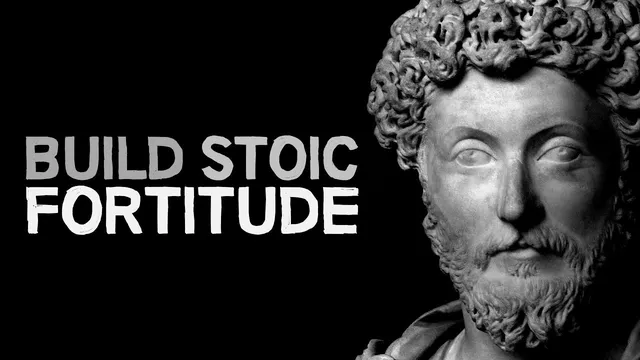
“Someone despises me. That’s their problem.” | How to Build Stoic Fortitude
Based on Einzelgänger's video on YouTube. If you like this content, support the original creators by watching, liking and subscribing to their content.
Stoic fortitude is mental strength for facing adversity without retreating into self-isolation.
Briefing
Stoic fortitude isn’t about retreating into isolation; it’s about building mental strength so unpleasant people and unavoidable adversity can’t derail a good life. The core distinction is sharp: self-isolation often grows from powerlessness and fear of “malevolence of humankind,” which quietly costs people real experiences. Stoicism offers a different route—strengthen the mind so external hostility becomes something to endure and respond to, not something that justifies hiding.
Fortitude is defined as “strength of mind” that enables someone to face danger, bear pain, and meet adversity with courage. Stoics treat many external distractions—especially other people’s opinions—as less worthy of attention than they feel in the moment. External events may be unchangeable, but the stance taken toward them is changeable. That shift matters because much suffering doesn’t come from life’s pain itself, but from beliefs about how life “should” work. When expectations repeatedly collide with reality, happiness tied to those expectations collapses into irritation and distress.
Seneca’s guidance illustrates this reframing. In a letter to Serenus, he challenges the wish that humanity be inoffensive, arguing that those who benefit from wrongdoing are the ones who would commit it, not the ones who can’t suffer it. The practical takeaway is to reduce pain by lowering resistance to the fact that rudeness, selfishness, and violence exist. Seneca also links fortitude to mortality: knowing death is inevitable—arriving the moment one is born—prevents evils from feeling shocking. He argues that anticipating possible harms “takes the sting out of all evils,” because prepared minds meet adversity with less panic.
Epictetus pushes the foundation further by targeting desire and aversion. Progress requires recognizing that happiness and tranquility depend on not failing to obtain what one desires and not falling into what one avoids. The solution is not to chase every outcome, but to “take from himself desire altogether” while directing aversion only toward things under one’s control. Anything beyond control is “weak and slavish,” so mood should not be governed by unreliable external factors. In an extreme but revealing formulation, Epictetus even suggests being willing to be ridiculed or despised if it protects equanimity.
Chrysippus—credited as a major architect of Stoic propositional logic and ethics—connects fortitude to a broader moral system: living virtuously is living happily. Courage, a cardinal virtue, requires enduring discomfort and facing fear rather than taking quick fixes that trade short-term pleasure for long-term misery, shame, and missed opportunities. Virtue becomes a “star in the sky” that anchors action beyond pain and pleasure.
Marcus Aurelius brings these ideas into lived leadership. Facing war, plague, illness, and betrayal, he used negative visualization to adjust expectations and practice virtue despite obstacles. His meditations crystallize the Stoic boundary between others’ behavior and personal responsibility: “Someone despises me. That’s their problem. Mine: not to do or say anything despicable.” The result is a fortitude that treats fate and other people’s hostility as secondary—while insisting that choice, patience, and upright action remain primary.
Cornell Notes
Stoic fortitude is mental strength that helps a person face danger, pain, and adversity with courage—without retreating into isolation. The approach centers on reframing beliefs: suffering often comes from expectations about how life “should” be, not from adversity itself. Seneca argues that anticipating wrongdoing and death reduces the sting of evils, while Epictetus teaches that happiness depends on controlling only what lies within one’s will and becoming indifferent to what does not. Chrysippus ties fortitude to virtue, especially courage, which endures discomfort rather than chasing quick pleasures. Marcus Aurelius applies these principles by practicing patience toward hostile people and focusing responsibility on one’s own choices.
Why does Stoicism distinguish fortitude from self-isolation, and what problem does isolation create?
How does Seneca’s advice to Serenus change the way someone should interpret other people’s cruelty?
What role does mortality play in Seneca’s version of fortitude?
What does Epictetus mean by curbing desire and aversion, and why does it matter for happiness?
Why is courage treated as central to Stoic fortitude, and how do vices undermine it?
How does Marcus Aurelius translate Stoic responsibility into everyday interactions with hostile people?
Review Questions
- Which kinds of suffering does Stoicism attribute to beliefs and expectations rather than to events themselves?
- How do Seneca’s ideas about anticipating evils and death reduce emotional “sting”?
- What distinguishes what Epictetus says is within one’s control from what is not, and how does that distinction shape desire and aversion?
Key Points
- 1
Stoic fortitude is mental strength for facing adversity without retreating into self-isolation.
- 2
Much pain comes from beliefs about how life should be, especially when expectations repeatedly clash with reality.
- 3
Seneca argues that anticipating wrongdoing and death prevents evils from feeling shocking or overwhelming.
- 4
Epictetus links tranquility to controlling only what lies within one’s will and becoming indifferent to the uncontrollable.
- 5
Courage is a cardinal Stoic virtue: it endures discomfort and fear to pursue long-term virtue rather than short-term pleasure.
- 6
Stoic ethics treats virtue as the path to happiness, while vices offer brief satisfaction followed by guilt and long-term unhappiness.
- 7
Marcus Aurelius emphasizes responsibility for one’s own choices and patience toward hostile people, regardless of others’ actions.