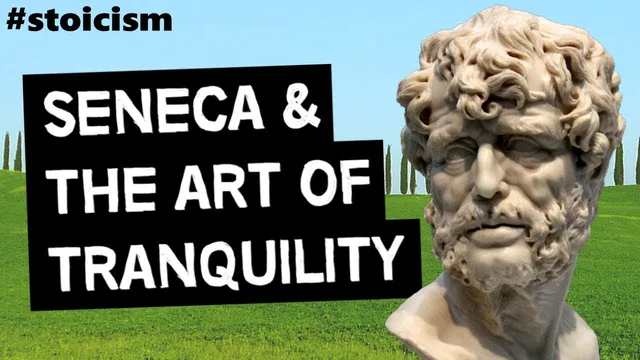
STOICISM | The Art Of Tranquility (Seneca's Wisdom)
Based on Einzelgänger's video on YouTube. If you like this content, support the original creators by watching, liking and subscribing to their content.
Seneca links anxiety to future-fixation: hope-based expectations make disappointment feel like wasted effort.
Briefing
Seneca’s counsel for tranquility centers on one practical shift: stop feeding the mind with forces that pull it out of the present—especially anxious anticipation, social performance, and aimless distraction—and replace them with habits that anchor attention, purpose, and inner freedom. In letters exchanged with Serenus, Seneca frames anxiety as a product of how people relate to time, other people, and their own desires. The result is a set of seven Stoic prescriptions aimed at calming worry while also clarifying what deserves care.
A major driver of mental disturbance, Seneca argues, is fixation on the future. People who live by hope build elaborate expectations about how events should unfold; when reality fails to match, they suffer not only disappointment but also a deeper sense of wasted effort. Seneca’s antidote is Amor Fati—embracing fate—paired with pursuing goals while accepting whatever outcomes arrive. That stance keeps attention in the present and reduces the emotional whiplash of “in vain” striving.
Tranquility also depends on how a person spends their time and energy. Seneca recommends being of service: participating in human life in a way that uses one’s skills to benefit others. Service, in this view, is double-edged—workful focus limits rumination, and usefulness strengthens social connection. The same attention principle appears again in the advice to avoid useless affairs. Constant switching between distractions—smartphones, social feeds, endless browsing—fractures focus and breeds worry. A calmer mind comes from committing to a task, using boundaries like turning off social media, and planning the next day so there’s less mental “open tabs” to worry about.
Relationships and social pressure are another recurring source of unrest. Seneca urges choosing friends wisely, warning that negativity is contagious and that toxic companionship can erode inner peace. He also warns against depending on the opinions of others, using the example of funerals where people may fake grief to avoid disgrace. Pretending—living behind masks—creates a kind of bondage: even natural emotions become performance.
Finally, Seneca balances solitude and crowds rather than treating either as a cure by itself. Solitude restores the self and makes company more meaningful; social life connects people and relieves solitary rumination. He also calls for periodic relaxation of the mind—historically through moderate wine, though modern alternatives like cinema, games, or meditation can serve the same function.
Taken together, the seven suggestions form a coherent Stoic program: reduce future-obsession, redirect energy into purposeful action, surround oneself with uplifting people, protect attention from distraction, and reclaim authenticity from social theater—then alternate solitude, community, and genuine mental rest to keep anxiety from taking over.
Cornell Notes
Seneca’s Stoic advice for Serenus targets anxiety as a consequence of misplaced attention—especially obsession with the future, social performance, and distraction. He recommends embracing fate (Amor Fati) while still pursuing goals, so outcomes don’t become sources of torment. Tranquility grows through purposeful engagement: serving others, focusing on one task, and avoiding aimless “useless affairs.” Seneca also urges selecting friends who uplift rather than burden, and resisting the pressure to act according to others’ opinions. Finally, he balances solitude with crowds and allows the mind periodic relaxation, with moderation emphasized.
Why does Seneca treat “hope” and future-fixation as a root cause of anxiety?
How does Amor Fati function as a practical tool, not just a slogan?
What does “being of service” contribute to mental calm?
Why does Seneca warn against “useless affairs” and constant distraction?
How do friends and social pressure affect tranquility in Seneca’s framework?
How does Seneca balance solitude, crowds, and relaxation?
Review Questions
- Which Stoic mechanism does Seneca use to explain why future-focused hope increases suffering, and how does Amor Fati counter it?
- How do “being of service” and “avoiding useless affairs” both rely on attention as the pathway to calm?
- What are the differences between Seneca’s advice on choosing friends and his advice on resisting the opinions of others?
Key Points
- 1
Seneca links anxiety to future-fixation: hope-based expectations make disappointment feel like wasted effort.
- 2
Amor Fati supports tranquility by pairing goal pursuit with acceptance of whatever outcomes occur.
- 3
Being of service calms the mind by replacing rumination with purposeful work and strengthening social connection.
- 4
Avoiding useless affairs requires attention discipline—commit to tasks, limit distractions, and plan ahead.
- 5
Choosing friends wisely protects inner peace because negativity is contagious.
- 6
Depending on others’ opinions creates bondage through performance; authenticity may invite ridicule but ends perpetual pretence.
- 7
Tranquility comes from balancing solitude and crowds and allowing the mind periodic relaxation, ideally with moderation.