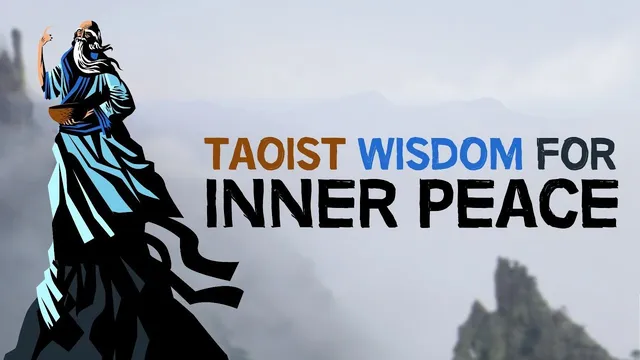
Taoist Wisdom For Inner Peace
Based on Einzelgänger's video on YouTube. If you like this content, support the original creators by watching, liking and subscribing to their content.
Taoist inner peace is tied to living in alignment with the Tao, not to maximizing status through relentless effort.
Briefing
Taoist inner peace is framed as a deliberate retreat from modern habits of overstretching—rushing, boasting, grasping, and chasing status—and a return to living in tune with the Tao, the all-encompassing force behind the universe. The core claim is that accomplishment isn’t inherently bad, but the culture of relentless striving creates instability, anxiety, and a constant sense of vulnerability. Taoist texts treat peace as something cultivated through alignment with nature’s rhythms rather than through forceful self-expansion.
Four pieces of wisdom anchor that shift. First, “Don’t stand on your tiptoes” warns against living in a precarious, performative way—pushing beyond real capacity, exaggerating achievements, lying about abilities, and trying to outshine others. The logic is practical: when people rush ahead without a stable foundation, they may reach short-term visibility but end up stressed and easily destabilized. Sustainable accomplishment is still possible, but it should match one’s true limits—no financial overreach, no self-mythology, and no constant display.
Second, “Let softness overcome the hard” turns the spotlight to method. Water becomes the model: the softest substance defeats rigid obstacles through persistence, patience, and flexibility. The message isn’t passive surrender; it’s disciplined repetition of small actions until they accumulate into something substantial. Patience is treated as a form of softness, and letting go is described as making room for natural processes—like watering a tree rather than forcing its growth. Flexibility matters too: rigid people struggle to adapt, while water-like adaptability finds another route when circumstances change.
Third, “Appreciate uselessness” challenges society’s obsession with being valuable. A Zhuangzi story about a crooked, “useless” tree explains how lack of conventional usefulness can protect something from being cut down. The same idea is extended to humans: people who don’t fit the usual markers of desirability may avoid exploitation and trouble. Instead of treating “not being gifted” as a defect, Taoism reframes it as a reason to relax—giftedness can attract demands and use.
Fourth, “Don’t strive but flow along” argues that chasing external goals—wealth, possessions, status—doesn’t purchase happiness or inner peace. Grasping creates anxiety, and the rich are depicted as burdened by desires, living as if carrying weight while forgetting their “proper business.” The alternative is to stop forcing a conceptual future and instead let go, following life’s current. Like a bird drinking only enough water to survive or animals eating just enough to endure winter, satisfaction comes from aligning needs with what nature provides. In Taoist terms, peace arrives when striving loosens its grip and attention returns to what is already present and possible.
Cornell Notes
Taoist inner peace is presented as living in alignment with the Tao rather than with modern pressures to rush, compete, and accumulate. The guidance centers on four practices: avoid precarious overreaching (“don’t stand on your tiptoes”), use softness and patience to overcome difficulty, treat conventional “uselessness” as protective rather than shameful, and replace grasping with flowing along life’s natural current. Together, these ideas argue that stability, adaptability, and contentment come from matching effort to real capacity and letting natural processes unfold. The payoff is less stress and less anxiety—because peace grows from restraint, flexibility, and acceptance instead of constant striving for external validation.
Why does “don’t stand on your tiptoes” connect inner peace to self-limits and honesty?
How does Taoism use water to argue that softness can defeat hard obstacles?
What does the “useless crooked tree” story teach about value and survival?
Why does “don’t strive but flow along” treat wealth and possessions as a source of disorder?
How do the bird and hibernation examples support the Taoist idea of contentment?
Review Questions
- Which of the four Taoist practices most directly challenges modern habits of competition and why?
- How do patience and flexibility function together in the “softness overcomes hard” principle?
- What does the crooked tree story suggest about how society’s definition of usefulness can create vulnerability?
Key Points
- 1
Taoist inner peace is tied to living in alignment with the Tao, not to maximizing status through relentless effort.
- 2
Overreaching—rushing, boasting, exaggerating, or lying—creates an unstable foundation that increases stress and vulnerability.
- 3
Softness is treated as a practical strategy: patience, repeated small efforts, and flexibility help overcome rigid obstacles.
- 4
Letting go matters because natural processes can’t be forced; growth happens when people provide conditions rather than control outcomes.
- 5
Conventional “usefulness” can attract exploitation, so “uselessness” may protect survival and reduce trouble.
- 6
External striving for wealth and possessions is portrayed as chasing an illusion that breeds anxiety rather than inner peace.
- 7
Contentment is framed as need-based living—taking only what sustains life—rather than accumulating more to secure happiness.