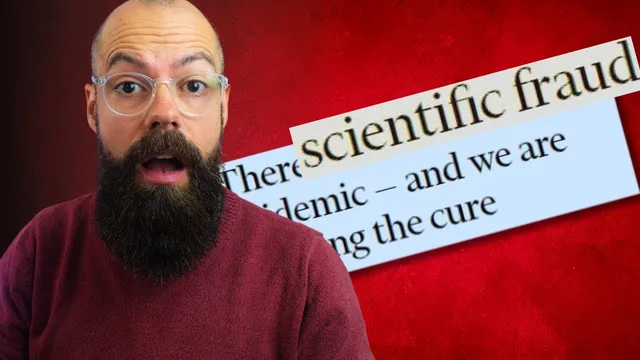
The Academic Fraud Epidemic - The Alarming Reality
Based on Andy Stapleton's video on YouTube. If you like this content, support the original creators by watching, liking and subscribing to their content.
Scientific fraud is framed as incentive-driven, fueled by “up or out” pressure, weak consequences, and limited auditing of the vast data produced in academia.
Briefing
Scientific fraud is being driven less by rare bad actors than by incentives that reward speed, visibility, and metric-chasing—creating an environment where data can be altered, fabricated, or even attached to researchers without their consent. A key example involves a University of Southern California case in which a researcher allegedly pressured colleagues to alter lab notebooks and co-authored papers with doctored data. In fields where careers and grants hinge on “impactful” results, the transcript frames fraud as something that can emerge from desperation, weak consequences, and the practical reality that vast amounts of data go unchecked.
A separate reference to a “scientific Ponzi scheme” lays out common motivations: researchers facing “up or out” pressure (hiring, tenure, or grant survival), insufficient punishment that turns misconduct into a low-risk gamble, and the difficulty of detection when only a small fraction of data is audited. Detection also depends heavily on unpaid, volunteer-style vigilance—an “underground” of scientists who hunt for problems—rather than a sustainable, professional system for research integrity enforcement. The transcript argues that this patchwork approach leaves fraud largely hidden until it becomes scandal.
The incentives problem shows up in how academia measures success. The transcript points to annual lists of “Highly cited researchers,” noting that thousands of names were excluded after filters flagged extreme behaviors such as hyper-authorship (too many papers to plausibly review), excessive self-citation, and unusual patterns of group citation. The underlying concern is that if everyone is gaming metrics—publishing aggressively, citing strategically, and leveraging networks—then the system itself becomes gamed, and misconduct can be normalized even among people who insist they are playing fair.
Fraud can also be enabled by predatory publishing. A story involving Noah van dongan (from Amsterdam University) describes being placed on a paper he didn’t write—an “academic train wreck” described as word salad—published in a journal characterized as having many dead authors. The transcript links this to journals that inflate output to raise impact factors, potentially through citation manipulation as well, while failing to retract clearly problematic work.
The practical takeaway is that researchers—especially new principal investigators—should assume misconduct can happen “in your backyard,” even if they personally have no intention to cheat. Proposed safeguards include openly discussing research integrity in labs, treating unexpected and negative results as valuable, training teams to scrutinize their own data, and maintaining close attention to collaborators’ well-being. The transcript emphasizes transparency as a defense: ask to see raw data, avoid rushing results, keep digital logs of experiments and lab meetings, and retain original underlying materials (including items like Western blots) even when journals don’t require them. It also highlights the growing role of AI tools to help flag suspicious language and patterns that may signal fabricated or manipulated research.
Cornell Notes
Scientific misconduct is portrayed as an incentive-driven “epidemic” rather than isolated wrongdoing. Pressure to publish, weak punishment, and low audit rates make fabrication and data alteration a rational gamble for some researchers. Metric-chasing—especially through citation and authorship patterns—creates conditions where fraud can blend into normal academic behavior, prompting exclusions from “Highly cited researchers” lists for hyper-authorship and citation anomalies. Predatory journals further widen the damage by publishing papers with questionable authorship and failing to retract problematic work. The transcript’s response centers on prevention: lab-level integrity training, transparency through raw-data access, careful recordkeeping, and using AI tools to help detect suspicious patterns.
What conditions make fraud more likely to occur even when most researchers want to do good science?
How do citation and authorship metrics contribute to misconduct risk?
What does the Noah van dongan case illustrate about fraud beyond data fabrication?
Why does the transcript argue that fraud can happen “against your will”?
What prevention steps are recommended for labs and new principal investigators?
How does the transcript suggest AI could help with research integrity?
Review Questions
- Which incentive factors—pressure, punishment, and audit likelihood—does the transcript treat as the main engines of scientific fraud?
- How do hyper-authorship, self-citation, and group citation patterns function as warning signs in citation-based rankings?
- What specific lab practices does the transcript recommend to reduce the chance that misconduct goes undetected or that researchers are harmed by authorship fraud?
Key Points
- 1
Scientific fraud is framed as incentive-driven, fueled by “up or out” pressure, weak consequences, and limited auditing of the vast data produced in academia.
- 2
Fraud detection often depends on unpaid vigilance, leaving a gap that a more formal enforcement system would need to address.
- 3
Metric-chasing—especially through authorship volume and citation behavior—can normalize borderline practices and raise the risk of outright misconduct.
- 4
Annual “Highly cited researchers” lists can exclude thousands of names when filters flag hyper-authorship, excessive self-citation, and unusual group citation patterns.
- 5
Predatory journals can amplify harm by publishing papers with questionable authorship and failing to retract clearly problematic work.
- 6
Prevention advice centers on lab culture and transparency: discuss integrity, value negative and unexpected results, scrutinize data, and insist on access to raw data.
- 7
Recordkeeping and retention of original materials (including underlying experimental outputs) strengthen accountability when journals or collaborators later question results.