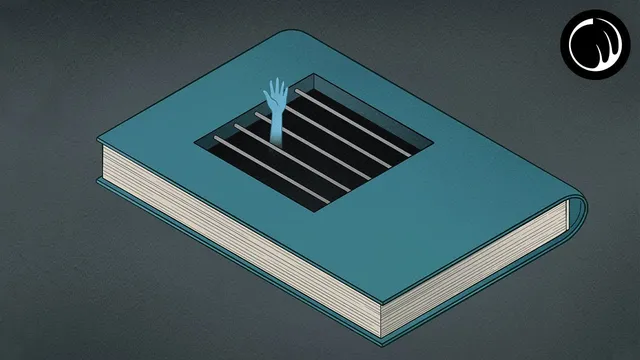
The Curse of Creativity
Based on Pursuit of Wonder's video on YouTube. If you like this content, support the original creators by watching, liking and subscribing to their content.
Amelia’s early interviews tie her best writing to being sad and confronting painful truths, not to external routines or inspiration tricks.
Briefing
Amelia’s rise as a celebrated writer is framed as a long-running tradeoff: the darker her mental state, the more acclaimed her work becomes—until a dietary change quietly flips the script. Across decades of interviews, her “secret” to making art isn’t craft or inspiration rituals so much as honesty with herself, and a willingness to sit inside sadness, fear, and confusion long enough to turn them into language. That approach earns her early national recognition at 13, a network documentary appearance at 16, and a major literary magazine feature at 18, with critics describing her work as mirroring modern alienation while pushing into disturbing psychological territory.
In those early years, Amelia repeatedly ties artistic output to emotional strain. When asked about routines, she rejects the idea of tricks and insists she needs to be sad to work—then clarifies that depression or angst doesn’t automatically make art good. What matters, in her view, is truth, and truth tends to be painful. By the time she reaches mainstream fame on a late-night talk show after her third novel, she doubles down on the idea that dysfunction fuels the process: writing requires sitting alone with a blank page, living in a chaotic, discontented way, and she credits her depression and insomnia with producing the material that pays the bills. She even recounts trying therapy once—being told it could affect creativity—and deciding not to return.
Yet the story pivots in the late 1990s/early 2000s with a health explanation that reframes the “curse of creativity.” After hiring a leading health coach, Amelia describes a diet heavy in dairy and cheese—milk, smoothies, eggs with cheese, ham-and-cheese sandwiches, blue-cheese salads, lasagna and mac and cheese, pizza, and late-night ice cream or nachos. The coach then identifies a likely culprit: Amelia has an extremely high sensitivity to casein, a slow-digesting dairy protein associated with worsening psychiatric conditions such as schizophrenia and depression. With her tolerance low from birth and her lifelong intake high, the condition likely intensifies the very mental suffering that her work appears to draw from.
When Amelia changes her diet to reduce cheese consumption to near zero, she reports feeling better than ever—like her mind has been “cleaned out,” with the same underlying thoughts but less compulsion and flailing. The emotional pressure that once drove her writing eases, and her output shifts toward lighter material. But that relief comes with a cost: the new tone quickly feels boring, and she stops trying to publish serious work after receiving harsh reviews and watching fans react negatively to the change. In a later public broadcasting interview, the question becomes unavoidable: if cheese—and the mental state it affects—helped power her earlier creativity, which matters more: the success of her work or a more pleasant mind? The transcript ends on that tension, leaving the “secret” unresolved but newly biological.
Cornell Notes
Amelia’s acclaimed writing career is repeatedly linked to depression, insomnia, and a need for sadness to do her best work. In early interviews, she rejects “secrets” like routines and instead emphasizes honesty with herself—confronting fears and confusion—and argues that truth is often painful. After mainstream success, she still credits her torment and dysfunction as fuel, even walking away from therapy out of concern it might affect creativity. The turning point comes when a health coach identifies an extreme casein sensitivity from a lifelong dairy-heavy diet; reducing cheese near zero makes her feel mentally “cleaned out,” shifts her writing toward lighter themes, and ultimately dampens her desire to publish serious work.
Why does Amelia describe sadness as necessary for her writing, and how does she distinguish sadness from artistic quality?
How do Amelia’s early public appearances and magazine feature shape the way her work is understood?
What does Amelia credit as the “secret” behind her success during mainstream fame?
Why does Amelia stop therapy, according to her account?
How does the casein sensitivity explanation change the meaning of Amelia’s “curse of creativity”?
What happens to Amelia’s writing after the dietary change, and why doesn’t she simply switch to a new style?
Review Questions
- How does Amelia’s definition of “truth” function as a bridge between sadness and artistic quality?
- What specific dietary pattern leads to the casein sensitivity diagnosis, and what mental effects does Amelia report after reducing cheese?
- Why does Amelia treat therapy as a threat to creativity, and how does that stance compare to the later health-coach intervention?
Key Points
- 1
Amelia’s early interviews tie her best writing to being sad and confronting painful truths, not to external routines or inspiration tricks.
- 2
She distinguishes between depression as a feeling and truth as the artistic goal, arguing that painful truth is what ultimately matters.
- 3
Mainstream success doesn’t change her core explanation: depression and insomnia are portrayed as fuel for producing work.
- 4
A single health intervention reframes the “curse” by linking her lifelong dairy intake to an extreme casein sensitivity associated with worsening psychiatric conditions.
- 5
After reducing cheese to near zero, Amelia reports a calmer, “cleaned out” mental state that shifts her writing toward lighter themes.
- 6
The dietary change improves her wellbeing but disrupts her creative drive for serious work, and public backlash accelerates her decision to stop publishing new serious material.