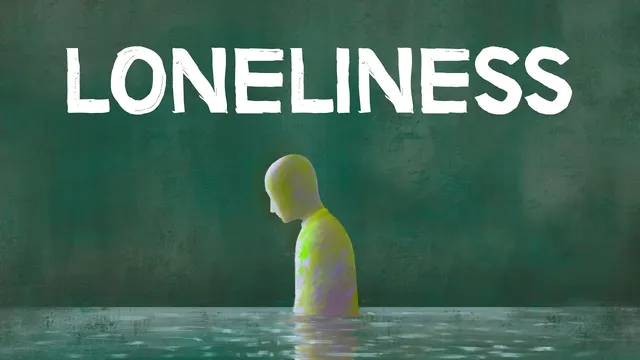
The Dilemma Of Loneliness
Based on Einzelgänger's video on YouTube. If you like this content, support the original creators by watching, liking and subscribing to their content.
Loneliness is linked to worse mental and physical health, even when people believe they prefer isolation.
Briefing
Loneliness is often treated as a personal preference, but it’s increasingly framed as a tradeoff: social connection can improve mental and physical health, yet it demands effort, time, and emotional cost. In that tension sits the “dilemma of loneliness”—people can choose either social isolation or social involvement, and both paths carry risks. Research links loneliness to worse mental and physical outcomes, while many self-described “loners” still show signs of loneliness and a sense of not belonging, suggesting that opting out of social life doesn’t always deliver the peace people expect.
The transcript argues that modern individualism makes this tradeoff sharper. In Western societies, social needs are often met less through obligation and more through personal choice, which can be liberating—privacy is easier to find and socializing doesn’t require constant scheduling rituals. But the same individualistic setup can also leave people without the kind of steady, built-in human contact that collectivist cultures provide. After spending months in Asia, the narrator describes a collectivistic environment where social life is woven into daily life: family ties, accessible social groups, neighborhood solidarity, and frequent spontaneous interactions. In a guest house, for instance, the narrator is greeted by multiple people before even reaching the exit, and conversation is offered without formal planning.
That closeness comes with a counterweight. Once relationships form, social control intensifies: people expect regular hangouts and free-time participation, and everyone tends to know everyone else’s business. The narrator describes feeling suffocated by that expectation and resorting to “ghosting” tactics—staying in a room or relocating briefly—to regain solitude and recharge. Returning to a Western apartment, where neighbors may barely know one another, the narrator recognizes the other side of the coin: loneliness can “creep up” when human contact is less automatic.
Beyond culture, the transcript highlights a second cost of belonging: groups can demand ongoing transactions—time, money, and conformity to shared narratives, ethics, or values. When conformity is tied to rigid ideologies or religious doctrines, the narrator invokes philosopher Albert Camus’s concept of “philosophical suicide,” describing the surrender of independent thinking in exchange for belonging. The result can be sacrificing more of oneself than intended.
Online life is presented as a partial solution. The internet enables interest-based connections and can reduce superficial small talk, but it also keeps interaction mediated by screens and pixels. Even when online friendships deepen, they often create pressure for real-world meetings, returning the discussion to face-to-face connection—eye contact, touch, body language, and minimal technological interference. The transcript suggests that exclusively online socializing may still fall short of “true human connection,” likened to viewing Paris through Google Street View versus actually being there.
The proposed resolution is neither total withdrawal nor total immersion. Social interaction always requires sacrifice, so the answer is to accept that cost while setting clear boundaries, choosing like-minded people who respect them, and balancing solitude with connection. The goal is to enjoy companionship without losing oneself—and to enjoy solitude without slipping into loneliness.
Cornell Notes
Loneliness is framed as a structural tradeoff rather than a simple personality trait: social connection can protect mental and physical health, but it requires time, effort, and emotional “sacrifice.” Collectivist cultures can supply constant contact and belonging, yet they also bring social control and suffocation when expectations become intrusive. Individualistic societies offer privacy and easier solitude, but they can leave people vulnerable to loneliness when human contact isn’t automatic. Online communities add interest-based connection, but screen-mediated interaction and the lack of embodied cues may still limit “true” connection. The transcript’s middle path is to pursue connection with clear boundaries and with people who respect them, so solitude remains restorative rather than lonely.
Why does the transcript treat loneliness as more than a preference for being alone?
What does collectivism provide, and what does it cost?
How does individualism change the loneliness equation?
What is the “price” of group belonging, beyond time and money?
Why does online connection get treated as both promising and incomplete?
What solution does the transcript propose for the loneliness dilemma?
Review Questions
- How does the transcript distinguish loneliness from aloneness, and why does that distinction matter to its central dilemma?
- What specific mechanisms of social control in collectivist settings are described, and how do they lead to both belonging and suffocation?
- Why does the transcript argue that online interaction may still fall short of “true human connection,” even when friendships deepen?
Key Points
- 1
Loneliness is linked to worse mental and physical health, even when people believe they prefer isolation.
- 2
Collectivist cultures can reduce loneliness by providing constant contact, but they can also increase social control and reduce privacy.
- 3
Individualistic societies make solitude easier, yet they can leave people vulnerable when human connection isn’t automatic.
- 4
Belonging often carries a “price” beyond time and money, including pressure to conform to group narratives and values.
- 5
Rigid ideological conformity can undermine independent thinking, echoing Albert Camus’s idea of “philosophical suicide.”
- 6
Online communities can match people by interests, but screen-mediated interaction lacks embodied cues like touch and body language.
- 7
A middle path is to pursue connection with clear boundaries and with people who respect them, preserving both solitude and selfhood.