The Drama Just Keeps Getting Worse
Based on The PrimeTime's video on YouTube. If you like this content, support the original creators by watching, liking and subscribing to their content.
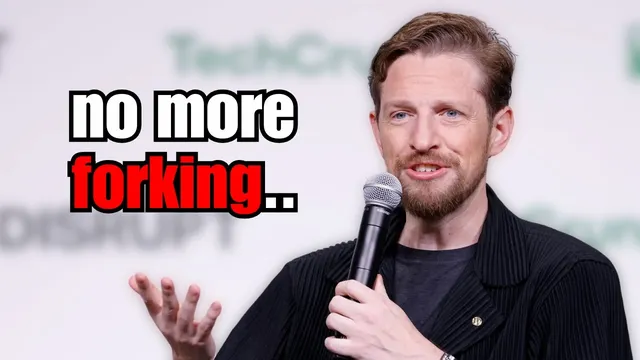
Matt Mullenweg deactivated multiple WordPress.org accounts tied to governance criticism and fork-related discussions, escalating an already heated ecosystem dispute.
Briefing
Automatic CEO and WordPress co-creator Matt Mullenweg has deactivated the WordPress.org accounts of multiple community members tied to governance criticism and potential “fork” discussions—an escalation that has inflamed an already tense dispute with managed WordPress host WP Engine. The move matters because it targets people advocating alternative governance models at the same time the broader WordPress ecosystem is locked in a legal fight over access to WordPress resources and the use of the WP brand.
The latest flashpoint centers on claims that Mullenweg is blocking forks by disabling accounts of those who “fork” WordPress. Among those affected are Joost de Valk and Karim Maruchhi, both prominent figures who have publicly discussed ways to evolve WordPress governance and infrastructure. De Valk has argued for federated, independent repositories—such as separate theme and plugin hosting—while Maruchhi has echoed the idea of decentralizing control. Neither has announced a formal fork, but their proposals have been interpreted by critics as part of a broader challenge to Mullenweg’s direction.
The governance backlash traces back to September, when Mullenweg publicly criticized WP Engine for profiteering without contributing enough back to WordPress. WP Engine responded by filing a lawsuit after being banned from accessing key WordPress resources; a court later ordered WordPress to restore access. In parallel, WP Engine and others have accused Mullenweg’s camp of using trademark and governance leverage to pressure the ecosystem.
Mullenweg’s response to fork talk has been unusually permissive in public—he has said he would welcome forks as a feature of open source—yet the account deactivations have made the stance look contradictory to many observers. He also suggested that WP Engine has effectively “forked” WordPress already because its hosted software differs significantly from WordPress core. Supporters point to the health of community participation: Mullenweg cited WordPress 6.7’s 600+ contributors and argued that only a small fraction are tied to Automatic.
At the same time, Mullenweg revealed additional deactivations beyond de Valk and Maruchhi, including accounts associated with Heather Burns and Morton Rand Hendrickson. Burns, who said she hadn’t contributed since 2020, described the action as surprising. Hendrickson suggested the targeting stemmed from earlier objections to WordPress governance and conflict-of-interest policies.
The practical implications are murkier than the rhetoric. Deactivating a WordPress.org account prevents contributions through that channel, but the underlying code remains accessible on GitHub, meaning forks remain possible. That said, the ecosystem’s economics—especially around paid plugins and themes—could face confusion if governance and distribution pathways shift.
Meanwhile, Automatic also announced it would reduce its core contributions to align with WP Engine’s contribution level, a move that critics say undermines the lawsuit’s premise about contribution imbalance. The overall picture is a community wrestling with how open-source governance should work when major corporate actors, legal leverage, and platform control collide—while the people trying to steer that future find themselves locked out of the very systems they helped build.
Cornell Notes
Matt Mullenweg, Automatic’s CEO and a WordPress co-creator, has deactivated several WordPress.org community accounts tied to governance criticism and fork-related discussions. The actions land amid a heated legal dispute with WP Engine, which followed a ban from accessing WordPress resources and ended with a court order to restore access. De Valk and Maruchhi have advocated federated, independent repositories for themes/plugins to reduce centralized infrastructure costs and control, but they have not announced a formal fork. Mullenweg has publicly welcomed forks as a normal open-source outcome while simultaneously disabling accounts of people associated with those ideas, creating a perceived contradiction. The fallout raises questions about governance, contribution incentives, and how forks would affect paid plugins/themes and community participation.
Why did the WordPress community’s conflict with WP Engine intensify in the first place?
What governance alternative did Joost de Valk propose, and how does it relate to the fork conversation?
How did Mullenweg justify the idea that WP Engine was already acting like a fork?
What exactly changes when a WordPress.org account is deactivated?
Why do the account deactivations raise practical concerns beyond community politics?
What did Mullenweg cite to argue that Automatic’s influence is not dominant in WordPress development?
Review Questions
- What is the difference between a federated repository model and a full fork, and why does that distinction matter for governance and infrastructure costs?
- How do account deactivations affect contribution rights versus the ability to fork code from GitHub?
- Why might the “WP Engine already forked it” framing be controversial given the legal dispute and trademark arguments?
Key Points
- 1
Matt Mullenweg deactivated multiple WordPress.org accounts tied to governance criticism and fork-related discussions, escalating an already heated ecosystem dispute.
- 2
The account deactivations occurred alongside an ongoing legal fight with WP Engine, which followed a ban from accessing WordPress resources and ended with a court-ordered restoration of access.
- 3
Joost de Valk and Karim Maruchhi have advocated federated, independent repositories for themes and plugins, aiming to reduce centralized control and infrastructure costs.
- 4
Mullenweg publicly welcomed forks as a feature of open source while critics viewed the deactivations as an attempt to suppress fork momentum.
- 5
Mullenweg also argued WP Engine’s divergence from WordPress core amounts to an effective fork, linking the dispute to governance direction and trademark issues.
- 6
Deactivating WordPress.org accounts blocks contributions through that channel, but GitHub access keeps code forkable—creating tension between governance control and technical freedom.
- 7
Automatic announced it would reduce core contributions to align with WP Engine’s contribution level, complicating claims about contribution imbalance at the heart of the conflict.