The Less You Want, The More You Have | Minimalist Philosophy for Living in Abundance
Based on Einzelgänger's video on YouTube. If you like this content, support the original creators by watching, liking and subscribing to their content.
Treat unmet needs as emotional “debt” when happiness is defined by specific external conditions, which makes dissatisfaction persistent.
Briefing
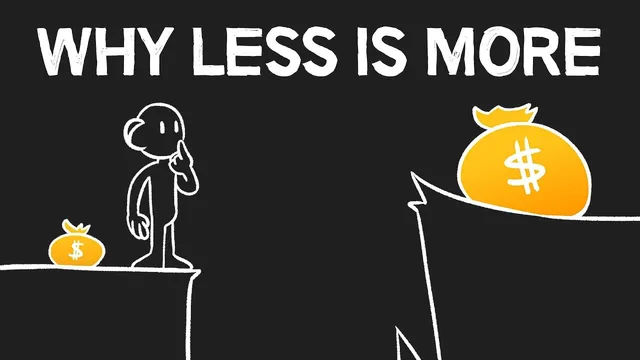
A minimalist mindset of abundance rests on a blunt psychological tradeoff: when happiness depends on hard-to-get conditions, life turns into a cycle of stress, debt, and fear of loss. The core claim is that “scarcity” isn’t just about having less—it’s about setting needs so high (or so specific) that satisfaction becomes fragile. If someone believes they need, say, one million dollars to feel happy, then any shortfall becomes an ongoing emotional deficit. That deficit behaves like debt: it weighs on the mind until the requirement is met, and if the requirement is scarce, it’s also easy to lose and hard to secure. The result is worry about what’s missing, what might disappear, and how the future might fail to deliver.
The alternative is to make contentment less dependent on fickle outside circumstances by downgrading what “enough” means. Abundance is defined as having more than enough, but what counts as enough is subjective and changes with life stage—college students may feel satisfied with money for food and parties, while later careers can trigger dissatisfaction even with higher income. The video’s practical pivot is that perceptions can be adjusted: the less someone requires, the more stable satisfaction becomes, because fewer external variables can threaten it. A person content with essentials—clothing, food, shelter, and a few meaningful connections—has satisfaction rooted in things that are comparatively abundant and therefore harder to disrupt. The ocean metaphor reinforces the idea: even after billions of years of planetary change, oceans remain, suggesting that what is plentiful can persist through variation.
Yet the message isn’t anti-desire. Human beings need desires, but they can be managed so life spends more time in abundance than in lack. Epicurus is invoked with a guiding line: take away from desires rather than add to riches. The video then offers several methods to shift from scarcity to abundance.
First is moderation, drawing on Epicurus’s categories of desires: natural and necessary (food, shelter, rest), natural but unnecessary (luxuries), and vain desires (power, extreme wealth, fame). The emphasis is on prioritizing what’s necessary and easy to satisfy while curbing the rest. Modern pleasures—music, video games, browsing—can be abundant, but overindulgence can still breed dissatisfaction by dulling sensitivity and requiring more stimulation.
Second is gratitude. People often fixate on what they want, trading away accessible sources of joy. Reframing a home as “good enough” (a roof, a cozy small space, shelter that fits basic needs) can increase the perceived value of the same circumstances, especially when compared with people who have worse housing or none.
Third is contemplating the price of needs. Drawing on Henry David Thoreau’s maxim—“The price of anything is the amount of life you exchange for it”—the video urges readers to ask how much work, time, and health are traded for each desire. What is cheap in life-exchange terms tends to support abundance; what is expensive can outweigh its benefits.
Fourth is staying out of long-term debt, including the idea that the mind can act like a creditor. Natural needs like food and sleep are generally easy to repay, but long-term desires can create ongoing mental red ink—unrequited love is offered as an example where hope becomes a prerequisite for happiness that may never be fulfilled. The closing synthesis frames abundance as either accumulating more (which increases dependence on uncontrollable conditions) or chaining desires so present life becomes more satisfying. The takeaway is the guiding maxim: the less you want, the more you have—because abundance grows when desire stops outrunning what’s already available.
Cornell Notes
The central idea is that scarcity is often self-made: when happiness is tied to hard-to-get or fragile conditions, unmet needs create a “debt” of dissatisfaction that fuels stress and fear. Abundance becomes possible when people downgrade what they require and shift attention toward what is already plentiful—especially essentials and meaningful relationships. The video argues that desires can’t be eliminated, but they can be managed through moderation, gratitude, and evaluating the real “life cost” of wants. It also warns against long-term debt to the mind, such as hope for outcomes that may never arrive. The result is a more stable sense of contentment that depends less on fickle external circumstances.
Why does unmet desire get described like “debt,” and what makes it emotionally heavier than ordinary unhappiness?
What does “abundance” mean here, and how does it differ from simply having more money?
How do moderation and the desire categories from Epicurus connect to modern pleasures like entertainment?
Why does gratitude change satisfaction without changing the underlying circumstances?
What does Thoreau’s “price” idea add to the minimalist abundance framework?
How does the video explain long-term debt to the mind, and why is hope portrayed as risky?
Review Questions
- How does tying happiness to scarce or fragile conditions create a cycle of stress, and what alternative does the video propose?
- Which three practices are offered to shift from scarcity to abundance, and how does each reduce the “life cost” of desire?
- What is meant by long-term debt to the mind, and what example is used to show how it can persist for years?
Key Points
- 1
Treat unmet needs as emotional “debt” when happiness is defined by specific external conditions, which makes dissatisfaction persistent.
- 2
Stability comes from making “enough” depend less on many variables and more on essentials that are comparatively abundant.
- 3
Abundance is partly a perception shift: what counts as enough changes across life stages, and those standards can be renegotiated.
- 4
Moderation helps prevent overindulgence in abundant pleasures by limiting how much stimulation is required to feel satisfied.
- 5
Gratitude increases the value of existing circumstances by reframing them and comparing them to worse alternatives.
- 6
Evaluate desires using Thoreau’s idea of life-exchange cost—time, work, and health—not just money.
- 7
Avoid long-term debt to the mind by not making happiness depend on outcomes that may never arrive.