The Nocebo Effect - The Mind and Chronic Disease
Based on Academy of Ideas's video on YouTube. If you like this content, support the original creators by watching, liking and subscribing to their content.
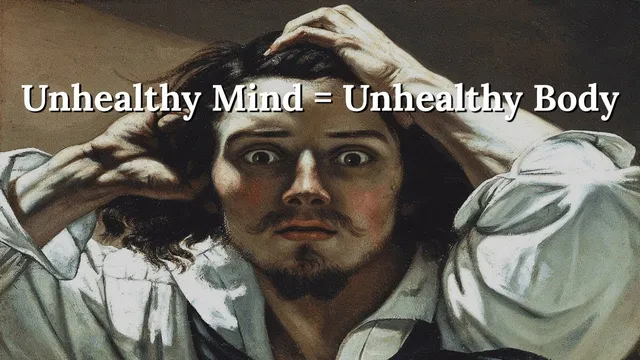
The mind-body relationship is presented as inseparable, with mental states capable of contributing to disease onset and progression.
Briefing
Chronic illness isn’t driven by biology alone: negative expectations, chronic stress, maladaptive emotion habits, and unresolved trauma can shape disease risk and even influence outcomes like survival timing. The core claim is that mind and body function as a single system—so when fear, suppression, and pessimistic beliefs become entrenched, they can help generate or perpetuate physical illness, including life-threatening conditions.
A central thread runs through the discussion: mainstream medicine often prioritizes biological mechanisms while underweighting how character and mental states contribute to sickness. The mind-body link is framed as intimate rather than separable—echoing Carl Jung’s view that mind and body are inseparable aspects of the same reality. Stress and anxiety are used as everyday examples of how mental states can disrupt immunity and digestion. From there, the transcript pivots to a specific mechanism for how belief can harm health: the nocebo effect, described as the “opposite” of placebo. Placebo involves improvement after an inert treatment because of a beneficial belief; nocebo involves worsening when negative expectations trigger negative physical outcomes.
To make the idea concrete, the transcript draws on cultural and medical analogues. “Voodoo death” is presented as an ancient example in which intense fear and distress—sparked by belief in curses—can lead to rapid decline and death unless a counter-ritual is performed. In modern Western settings, a related phenomenon is “medical hexing,” where grim survival statistics given to patients can lead them to die “on schedule,” even when later evidence fails to explain the early death physiologically. The transcript also cites surgeons’ experiences: people who are convinced they will die around surgery can become more likely to die, with one account claiming near-universal mortality in that scenario.
Beyond belief-driven effects, the transcript argues that chronic disease is strongly shaped by long-term emotional and psychological patterns. Gabor Maté’s framework distinguishes acute stress—an adaptive response—from chronic stress, which persists due to mindset and character. Over time, chronic stress is described as producing a cascade of physiological harms: suppressed immunity, increased inflammation, vascular narrowing, insulin resistance and diabetes risk, bone thinning, abdominal obesity, impaired brain circuits, and elevated blood pressure and clotting—factors tied to cancer growth and cardiovascular events.
The transcript then focuses on how people relate to “negative emotions” such as sadness, depression, anger, guilt, fear, and shame. The healthier approach is to allow emotions to be expressed and processed, then make life changes that prevent them from becoming chronic. The unhealthy approach—suppressing, repressing, or numbing emotions—raises the risk of chronic disease. Evidence is offered through studies cited from Maté’s work: women with malignant breast lumps showed higher rates of extreme anger suppression compared with women with benign tumors; rheumatoid arthritis-prone individuals were described as displaying self-abnegating traits including anger suppression and excessive concern about social acceptability.
Trauma is treated as another major pathway, not as an event that only happens externally, but as internal changes that persist—producing fear, guilt, shame, depression, and self-hate that “wreak havoc on the body.” A University of Toronto study is cited: men who experienced serious childhood trauma were three times more likely to die from heart attack even after accounting for other factors.
Importantly, the transcript rejects blame. Since many harmful mindsets originate in childhood experiences beyond personal control, the takeaway is framed as empowerment: if mental states can contribute to illness, they can also support healing. Part two is teased as a look at the body’s natural capacity to heal and how mindset and character shape that process.
Cornell Notes
The transcript argues that chronic disease risk and progression can be influenced by psychological factors, not just biology. Negative expectations can worsen outcomes through the nocebo effect, with examples ranging from “voodoo death” to “medical hexing,” where grim prognoses appear to align with early death even without physiological explanation. It also links chronic stress, emotion suppression, and unresolved trauma to long-term physiological damage, citing mechanisms such as immune suppression, inflammation, vascular changes, insulin resistance, and increased cardiovascular risk. Rather than assigning blame, the message emphasizes empowerment: since mind and body are tightly coupled, changing mental patterns and emotional processing may support healing.
How does the nocebo effect differ from placebo, and why does it matter for chronic disease?
What are “voodoo death” and “medical hexing,” and what do they illustrate about belief and survival?
Why does the transcript distinguish acute stress from chronic stress?
What does the transcript say about handling negative emotions like anger or shame?
How does trauma fit into the mind-body pathway described here?
Review Questions
- What mechanisms does the transcript use to connect negative expectations to physical outcomes (nocebo, medical hexing, and fear-based decline)?
- How does chronic stress differ from acute stress in the transcript, and what physiological harms are listed as consequences of chronic stress?
- What emotional coping pattern does the transcript treat as protective versus risky, and what study examples are used to support that distinction?
Key Points
- 1
The mind-body relationship is presented as inseparable, with mental states capable of contributing to disease onset and progression.
- 2
The nocebo effect describes how negative expectations can worsen health outcomes, functioning as a counterpart to placebo.
- 3
“Medical hexing” suggests that grim prognostic information can align with early death even when later findings lack a physiological explanation.
- 4
Chronic stress—often sustained by mindset and character—has long-term physiological consequences tied to immune suppression, inflammation, vascular disease, insulin resistance, and cardiovascular risk.
- 5
Suppressing or numbing negative emotions is framed as riskier than expressing and processing them and then making life changes to prevent recurrence.
- 6
Unresolved trauma is treated as internal persistence that fuels harmful emotional states, which are linked to increased risk of serious outcomes like heart attack.
- 7
The message emphasizes empowerment rather than blame, arguing that mental patterns can also support healing.