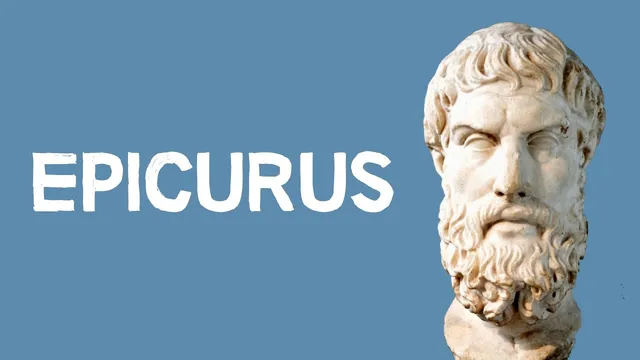
The Philosopher of Pleasure | EPICURUS
Based on Einzelgänger's video on YouTube. If you like this content, support the original creators by watching, liking and subscribing to their content.
Epicurus defines happiness as freedom from bodily pain and mental disturbance, making pleasure the highest good.
Briefing
Epicurus’ core claim is that happiness is the highest good—and it comes from pleasure understood as freedom from pain in the body and from mental turmoil. That matters because it reframes what people should chase: not status, not moral performance for its own sake, but a disciplined way of managing desires so life stays calm, content, and resilient against fear.
Epicurus arrived at this goal by treating humans as pleasure-seeking by nature. Children naturally reach for what feels good, and adulthood often refines that drive—sometimes even requiring short-term pain to secure longer-lasting pleasure. Even acts that look altruistic can function as pleasure in the form of acceptance, belonging, or the creation of a community that benefits everyone. The catch is that pleasure is frequently misunderstood. Epicurean pleasure is not a license for constant indulgence in food, sex, intoxication, or other sensory excess. Overindulgence can feel good briefly, but it tends to produce pain later—so much that it cancels out the original pleasure and leaves people vowing never to repeat the behavior.
To sort out what to pursue, Epicurus built a hierarchy of desires. First come natural and necessary desires—basic needs like food and shelter—that are easy to satisfy and have natural limits. Once hunger is gone, satisfaction follows. Epicurus distinguishes two kinds of pleasure: “moving pleasure,” the activity of eating, and “static pleasure,” the stable contentment that remains when needs are met. He treats static pleasure as the best kind because it centers on the absence of further wanting.
Next are natural but non-necessary desires, such as luxurious food, an expensive car, or recreational travel. These are not required for well-being, and the key question becomes whether satisfying them changes anything once cravings fade. If a simple meal ends the desire just as effectively, the “extra” may not deliver lasting contentment.
Finally are vain desires—power, fame, and extreme wealth. These have no natural limit, so they generate endless striving and often demand brutal sacrifices. Epicurus views them as products of opinion and social conditioning: people are trained to believe they are failures unless they chase money and status. Such pursuits don’t tend toward happiness; they consume time and energy that could be spent on pleasures already within reach.
Epicurus also links happiness to social life, arguing that friendship is a major ingredient of well-being. Romantic and sexual relationships, by contrast, often bring jealousy, possessiveness, and boredom. His own practice matched the ideal: he lived with followers in the Garden of Epicurus, eating simply—bread, weak wine, and occasional cheese.
The philosophy extends beyond desire to fear. Epicurus treats anxiety and suffering as the real enemies of happiness, including fear of God and fear of death. He rejects the logic of an all-powerful, all-good deity in the face of evil, and he denies an afterlife—humans are atoms in a void, with no heaven or hell. Death is annihilation, so it cannot harm either the living or the dead. The result is a practical message: stop postponing happiness, remember life is brief, and focus on what can be enjoyed now. In a consumerist world, the question becomes blunt—why endure the constant chase of money, fame, and power when contentment is already accessible through simple living and rational control of desire?
Cornell Notes
Epicurus places happiness at the center of life and defines it as freedom from bodily pain and mental distress. He argues that pleasure should be managed through a hierarchy of desires: natural and necessary needs (easy to satisfy and limited), natural but non-necessary wants (luxuries that may not add lasting contentment), and vain desires (power and fame with no limit, driven by social opinion, and therefore never fulfilling). He also favors “static pleasure,” the calm satisfaction after needs are met, over “moving pleasure,” the act of consuming. Friendship and simple living support this aim, while fears of God and death are treated as irrational—death is annihilation, and there is no afterlife.
How does Epicurus define “pleasure,” and why does that definition change what people should pursue?
What is the hierarchy of desires, and how does it guide everyday choices?
Why does Epicurus prefer “static pleasure” over “moving pleasure”?
How does Epicurus treat friendship compared with romantic or sexual relationships?
What arguments does Epicurus use against fear of God and fear of death?
How does Epicurus connect his philosophy to the problem of postponing happiness?
Review Questions
- Which category of desire is easiest to satisfy in Epicurus’ framework, and what feature makes it so?
- Explain the difference between “moving pleasure” and “static pleasure,” and state which one Epicurus ranks higher.
- Why does Epicurus think fear of death should not prevent someone from pursuing happiness in this life?
Key Points
- 1
Epicurus defines happiness as freedom from bodily pain and mental disturbance, making pleasure the highest good.
- 2
Epicurean pleasure requires disciplined desire management, not constant sensory indulgence.
- 3
Natural and necessary desires (like food and shelter) are limited and therefore support stable contentment.
- 4
Natural but non-necessary luxuries may not produce lasting satisfaction once cravings end.
- 5
Vain desires—power, fame, and extreme wealth—have no natural limit and tend to generate endless, unfulfilling striving.
- 6
Friendship is treated as a central ingredient of happiness, while romantic/sexual relationships are often linked to jealousy and boredom.
- 7
Fear of God and fear of death are rejected through rational arguments: death is annihilation and there is no afterlife.