The Power of Suggestion
Based on Vsauce's video on YouTube. If you like this content, support the original creators by watching, liking and subscribing to their content.
Placebo effects are presented as brain-driven changes that can produce real symptom relief, not just temporary comfort.
Briefing
A sham MRI scanner—built to look like cutting-edge neuroscience—produced measurable improvements in children with conditions ranging from eczema and compulsive skin picking to chronic migraines and ADHD. The key finding isn’t that the machine “reads minds” or delivers healing signals; it’s that belief, expectation, and a carefully staged sense of medical authority can trigger real symptom relief, even when the device is deactivated.
The program frames placebo effects as a brain-driven process rather than a purely psychological trick. Placebos “shouldn’t work,” yet they often do, and the transcript links that effect to how people interpret cues from medicine—who delivers the treatment, what it looks like, and how serious it seems. A doctor’s sugar pill can outperform a friend’s. Color cues matter: blue is associated with calm, red with energy. Form factor matters too: capsules can feel more legitimate than pills, and injections more potent than capsules. Even sham surgeries can yield positive outcomes, suggesting that the body can respond to the meaning attached to an intervention.
That logic is tested through an “accessory-assisted suggestion” study at McGill University’s Raz Lab. Researchers describe “neuroenchantment”: the cultural pull of neuroscience props and procedures that can make people feel that medical magic is happening. Children were told that what they saw and did was suggestion, emphasizing that healing would come from their own brain—yet the lab still used layers of credibility to raise expectations. Parents knew the scanner was a placebo, but the children had to believe in the procedure’s potential impact.
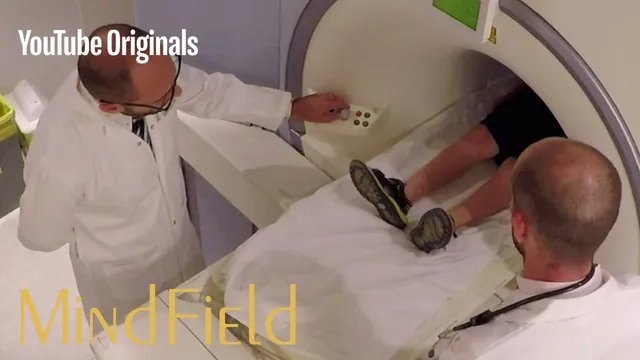
Before the first sessions, the lab used a YouTube-style hype campaign to prime the kids with the idea that a new science machine could help them focus, feel confident, and even reduce headaches. On test days, researchers added additional belief-building elements: a convincing hallway walk, a fake nurse, and realistic scanner sounds. The MRI itself was fully deactivated, but the team played beeps and planted suggestions that relaxation and “confidence” would help the brain learn and heal. Children reported sensations consistent with deep relaxation—yawning, tingling, and shifting feelings—while staff reinforced the idea that the session was actively helping.
After six weeks of sham-scanner sessions, follow-ups showed improvements that families attributed to the intervention. Malaya, who dealt with anxiety and dermatillomania layered on eczema, reported picking less and feeling less urge, with parents and clinicians describing better confidence and reduced anxiety. Nicholas, suffering from daily migraines, said he had no migraines afterward and that concentration helped; his neurologist reportedly found the change remarkable and he no longer needed rescue or preventive medication. Nathan, diagnosed with ADHD and impulse control disorder, showed immediate calming after the first session; a home video update described him sleeping more, doing well off medication through the summer, and communicating and thinking before acting.
The transcript also extends the theme beyond healing. In an adult experiment, participants were led through a “mind-reading” setup using a modified MRI concept (CTMSF MRI) and staged calibration and analysis. The results were intentionally manipulated to appear plausible, and the deception was later revealed as a placebo-like illusion. The overall message: when people are primed to expect meaningful effects, the brain can generate real physiological and behavioral changes—sometimes persisting even after participants learn the treatment was a placebo.
Cornell Notes
A sham MRI scanner at McGill University produced symptom improvements in children with eczema-related skin picking, chronic migraines, and ADHD/impulse control issues. The scanner was deactivated, but researchers used “neuroenchantment”—the cultural authority of neuroscience props—to raise belief and expectation. Children were told the procedure was suggestion and that their own brain would do the healing, while the lab still used realistic sounds, staging, and reinforcement to make the experience feel medically credible. After six weeks, families reported reduced symptoms: less skin picking for Malaya, no migraines for Nicholas, and calmer behavior plus time off medication for Nathan. The results support the idea that placebo effects can drive real changes when belief is actively cultivated.
What does the transcript claim a placebo effect is doing, beyond making someone feel better?
How did researchers at McGill build belief in a sham MRI without relying on the scanner’s function?
What is “neuroenchantment,” and why does it matter in the study design?
What outcomes were reported after six weeks for the three children featured?
How did the adult “mind-reading” experiment illustrate the placebo/suggestion theme?
Does learning that a treatment is a placebo eliminate the benefits, according to the transcript?
Review Questions
- How do external cues (color, delivery person, form factor) influence placebo effects in the transcript’s examples?
- What belief-building steps were used before and during the sham MRI sessions, and how were they justified ethically?
- Compare the adult mind-reading illusion and the children’s sham scanner: what role does expectation play in both?
Key Points
- 1
Placebo effects are presented as brain-driven changes that can produce real symptom relief, not just temporary comfort.
- 2
Medical credibility cues—who administers treatment, how it looks, and how serious it seems—can strengthen placebo outcomes.
- 3
McGill’s Raz Lab used a deactivated MRI while staging realistic neuroscience experiences to raise children’s expectations.
- 4
The study emphasized that healing would come from the child’s own brain responding to suggestion, while parents knew the scanner was nonfunctional.
- 5
After six weeks, families reported improvements aligned with each condition: less skin picking, no migraines, and calmer ADHD behavior with reduced reliance on medication.
- 6
The transcript argues that even when people learn a treatment is a placebo, positive effects may persist because the learned mechanism of self-healing remains.