The Psychology of Online Haters - Nietzsche's "Poisonous Flies"
Based on Academy of Ideas's video on YouTube. If you like this content, support the original creators by watching, liking and subscribing to their content.
Online haters are framed as seeking a counterfeit feeling of power through cruelty rather than earning power through creative effort and self-mastery.
Briefing
Online haters don’t lash out because they’re confident or indifferent—they attack to manufacture a feeling of power they can’t earn through creative effort. Drawing on Friedrich Nietzsche, the transcript frames rudeness and cruelty as a “weak man’s imitation of strength,” a substitute for the real potency that comes from self-mastery, disciplined work, and overcoming limitations.
Nietzsche’s starting point is that humans instinctively strive for “an optimum of favourable conditions” to expend power and reach a maximal sense of it. In its healthy form, that drive means increasing one’s capacity—building skill, pursuing excellence, and engaging in creative activity that repeatedly meets resistance and overcomes it. The result is not hostility but overflow: the powerful person helps others because excess strength naturally seeks expression as generosity. Nietzsche’s Zarathustra is offered as the model—leaving solitude because wisdom has become “too much honey” and needs “hands outstretched” to share.
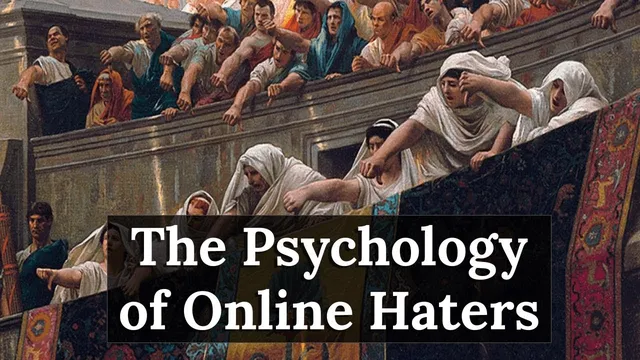
The transcript then explains why cruelty is so common online. Most people don’t cultivate power through the hard route of creativity and self-overcoming. Fear, laziness, and aversion to sustained effort keep them stuck in mediocrity, yet they still want to feel powerful. So they take an “easy yet morally corrupt route”: instead of lifting others, they bring them down through mockery, insults, and deliberate infliction of suffering. Nietzsche’s line that “cruelty is one of the oldest festive joys of mankind” is used to connect online behavior to older traditions of cruelty—like Roman gladiator crowds—while arguing that modern moral progress is largely cosmetic. Public spectacles may have faded, but the appetite for cruelty has migrated to the internet.
Online conditions make this migration easier. In real life, cruelty risks retaliation and social accountability; behind a screen, anonymity removes both physical danger and the fear of public shame. That safety turns the digital marketplace into a private arena for “festivals of cruelty,” where haters can humiliate others without consequences.
The transcript also tackles why haters sound so certain and why their hostility feels personal. The confidence comes from self-deception: because they avoid risk and don’t create, they rarely fail or expose themselves to criticism, allowing them to reinterpret weakness as virtue and build an illusory moral pedestal. The personal intensity comes from painful comparison. When a creator appears to be flourishing, that success reflects the hater’s stagnation and triggers self-hatred. Rather than use that pain to improve, the hater projects it outward—attacking the very person who exposes their misery.
The final warning is about scale. Nietzsche’s metaphor of “The Poisonous Flies” suggests that one hater is dismissible, but innumerable haters can wear down even resilient people, stinging them “all over” and craving their “blood.” The antidote is not debate or correction. Engaging feeds the hater’s desire for a reaction and helps them lower the target to their level. The recommended response is to ignore them completely—“flee into your solitude”—and keep attention on work, goals, and personal health, where genuine power can be built rather than faked through cruelty.
Cornell Notes
The transcript uses Nietzsche to explain online hatred as a counterfeit form of power. Real power comes from creative work, excellence, and self-overcoming—processes that naturally produce generosity. Many people avoid that difficult path, yet still want to feel powerful, so they seek potency through cruelty: mocking, insulting, and humiliating others. Online anonymity and the lack of retaliation make this cruelty safer and easier, turning the internet into a modern marketplace of “poisonous flies.” Haters also project self-hatred caused by painful comparison, and their certainty comes from self-deception that reframes weakness as virtue. The practical remedy offered is to ignore haters and protect one’s focus and wellbeing rather than engage.
Why does Nietzsche treat cruelty as a “power” problem rather than a purely moral failing?
What makes online cruelty easier than cruelty in face-to-face life?
How do haters appear confident while supposedly lacking real power?
Why is the hostility often so personal, even toward strangers?
What does “The Poisonous Flies” metaphor add to the analysis?
Why does the transcript recommend ignoring haters instead of correcting them?
Review Questions
- According to Nietzsche’s framework in the transcript, what distinguishes healthy power from the counterfeit power sought through cruelty?
- How do anonymity and the reduced risk of retaliation change the incentives for online harassment?
- What psychological mechanism links painful comparison to outward aggression in the hater’s behavior?
Key Points
- 1
Online haters are framed as seeking a counterfeit feeling of power through cruelty rather than earning power through creative effort and self-mastery.
- 2
Genuine power, in Nietzsche’s terms, grows from overcoming resistance via disciplined work—often producing generosity rather than hostility.
- 3
Most haters are described as avoiding the hard path of creativity and risk, then compensating with mockery and humiliation to feel superior.
- 4
Anonymity and low retaliation risk online turn cruelty into a low-consequence “festival,” making it easier to repeat.
- 5
Haters’ certainty is explained by self-deception: avoiding failure allows weakness to be rebranded as virtue.
- 6
Painful comparison triggers self-hatred, which is then projected outward as attacks on the person who appears to be succeeding.
- 7
The recommended response is non-engagement—ignore haters and protect focus—because swarms are harder to fight than individuals and reactions fuel the cycle.