The Psychology of the Anti-Hero
Based on Academy of Ideas's video on YouTube. If you like this content, support the original creators by watching, liking and subscribing to their content.
Heroism is framed as a reflexive response to terror of death, not merely a moral ideal.
Briefing
Modern life can look like a contest for status or conformity, yet the deeper engine underneath it is older than any ideology: terror of death. The Mesopotamian epic of Gilgamesh—driven to despair after a friend’s death—turns that fear into a lifelong quest for immortality. When bodily immortality fails, Gilgamesh pivots to “symbolic immortality” by chasing heroic deeds that will preserve his name. Cultural anthropologist Ernest Becker spent his career decoding the psychological mechanism behind that pivot: heroism functions as a reflexive counter to mortality anxiety.
Becker’s key claim is that societies don’t just provide jobs and laws; they supply “hero systems”—scripts for how people can feel worthy. Those scripts are embedded in status structures, customs, and rules, so many people pursue earthly heroism without recognizing it as such. Contemporary societies, Becker argues, often offer especially weak heroic templates. With religion and myth no longer anchoring shared meaning, modern people tend to chase heroism in two main directions. One is “the way of the Sheep”: conformity, obedience, and identification with authority—earning worth by following lines of power and calling it duty. The other is “the way of the Peacock”: climbing through wealth and consumer display, hoping that attention and social ranking can quiet existential dread.
Both routes, the argument continues, are psychologically costly because they can’t truly neutralize the fear of death. When heroism is pursued through obedience or consumption, the result is often a mismatch between the inner need for significance and the outer achievements that are supposed to deliver it. People may accumulate bank balances, better homes, brighter children, or bigger cars, but the underlying ache of “cosmic specialness” persists. Over time, the failure to become one’s own hero tends to produce depression, guilt, and self-disgust.
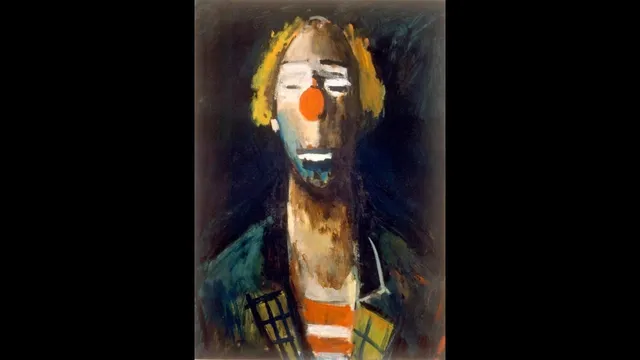
That’s where the anti-hero enters as a diagnostic extreme. The anti-hero is someone who can’t follow either heroic script—can’t find a workable path of conformity or status—and also can’t invent an individualized substitute. The outcome is a cluster of symptoms: anxiety, self-hate, inner division, and a drift toward moral corruption. Literature and media supply examples: Dostoevsky’s underground man, Arthur Miller’s Willy Loman, and the 2019 Joker. These figures often adopt a “victim narrative,” blaming family, peers, society, or economic forces for their inability to access the heroism that might validate them. William Faulkner’s bleak framing—no battle is won, victory is an illusion—captures the same psychological logic: life becomes a stage for despair rather than transformation.
The transcript closes by insisting that the anti-hero isn’t just a cultural character. Viktor Shklovsky’s observation that Dostoevsky’s underground man speaks as “all of us” points to a shared inner battleground: the urge to heroism exists alongside the urge to collapse into the anti-hero’s corner. The next step, it promises, is to map a more effective path to heroism that can replace the Sheep-and-Peacock scripts and explain how admiration for real heroes can help people live more authentically.
Cornell Notes
The transcript links heroism to a primal fear of death, using the Gilgamesh story as the model: when immortality fails, people seek symbolic survival through heroic deeds. Ernest Becker’s framework argues that societies provide “hero systems”—status-and-rule scripts—that let people pursue worth without admitting the mortality anxiety underneath. Modern versions of those scripts often push people toward either conformity (“the Sheep”) or status/consumer display (“the Peacock”), but both struggle to deliver lasting existential relief. When someone can’t follow either route and can’t find a personal substitute, the result is the anti-hero: depression, self-hate, and a victim narrative that blocks redemption. The anti-hero is treated not only as a literary type but as a tendency inside everyone.
Why does heroism function as a response to death anxiety in this framework?
What does Becker mean by “hero systems,” and why does it matter for understanding modern behavior?
How do “the Sheep” and “the Peacock” represent two modern paths to feeling worthy?
Why are the Sheep and Peacock scripts described as ineffective over time?
What defines the anti-hero, and how does the “victim narrative” function psychologically?
How does the transcript connect literary anti-heroes to everyday self-understanding?
Review Questions
- How does the transcript connect symbolic immortality (Gilgamesh) to Becker’s idea of heroism as a counter to death anxiety?
- What psychological outcomes follow when someone can’t pursue worth through either conformity (“Sheep”) or status/consumption (“Peacock”)?
- In what ways does the victim narrative preserve the anti-hero’s self-concept, and why does it block redemption?
Key Points
- 1
Heroism is framed as a reflexive response to terror of death, not merely a moral ideal.
- 2
Societies provide “hero systems” made of statuses and rules that channel people toward feeling worthy.
- 3
Modern heroic scripts often split into conformity (“the Sheep”) and status/consumer display (“the Peacock”).
- 4
Both scripts are portrayed as psychologically unstable because they can’t fully resolve mortality anxiety.
- 5
When people can’t follow either script and can’t invent a substitute, depression, guilt, and self-hate become more likely.
- 6
The anti-hero often uses a victim narrative to explain failure and to dismiss the possibility of change.
- 7
The transcript treats the anti-hero and the hero as competing tendencies inside everyone, not just in fiction.