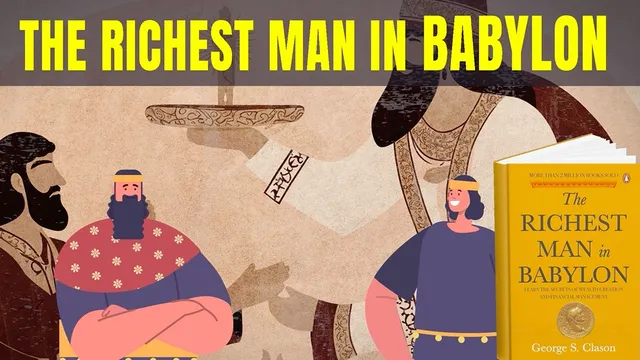
The Richest Man in Babylon - Summary (FULL + ANIMATED)
Based on Alex Dekora's video on YouTube. If you like this content, support the original creators by watching, liking and subscribing to their content.
Wealth is framed as expandable through value creation, not as a fixed pie where one person’s gain must be another’s loss.
Briefing
Ancient Babylon’s wealth lessons boil down to a single practical claim: money isn’t a fixed pie, and lasting prosperity comes from mindset, disciplined habits, sound financial systems, and real-world wisdom—not luck, bravado, or wishful thinking. The framing is symbolic from the start: Babylon begins as empty land and becomes wealthy through collective effort and innovation. That sets up the book’s core philosophy—wealth grows when individuals generate value—and it promises that anyone with desire and follow-through can build wealth by following “simple laws.” The king’s goal is blunt: Babylon can’t be the richest city unless it has many wealthy men, so the stories focus on how ordinary people learn to think and act differently.
The first turning point is psychological. Characters who stay poor often do so because they refuse to ask for help, cling to arrogance, or surrender to limiting beliefs. Two friends—Bansir the chariot builder and Kabi the musician—realize their childhood friend Arat has become the rumored richest man, and they decide to seek guidance rather than blame the world. The lesson is that humility keeps people teachable; without it, even good opportunities pass by. The transcript also warns against “learned helplessness,” illustrated through baby elephants trained not to escape. Even when strength later increases, the belief that escape is impossible remains, trapping adults in the same mental rope.
Next comes the idea that luck exists, but it’s not a strategy. “Pay no mind to the lucky” is paired with two explanations: some wins are genuinely random, but unearned wealth often evaporates because the recipient lacks skills to manage it—lottery winners are cited as an example. More commonly, success looks like luck because years of private practice and failure are invisible. Survivor bias hides the people who tried and didn’t make it, while the people who succeeded get the spotlight.
From there, the wealth-building method gets concrete. Discipline matters most in small, repeatable actions: instead of relying on motivation or brute willpower, people should make important tasks feel easy by stacking tiny daily steps until they become automatic. Hard work alone isn’t enough, either; wisdom must come first. Arcad’s path to wealth runs through mentorship—he trades his skills for guidance from Algamish the money lender—then learns how to save, invest, and avoid naive bets. The transcript stresses that advice should come from people with proven expertise in the relevant field, not from casual opinions or hype.
Financial management is treated as a system, not a mood. A “first law” appears repeatedly: set aside 10% of earnings for long-term savings and investing, ideally through automatic deductions so the money never becomes tempting spending. Spending expands to match income unless people actively protest it, and compound interest rewards restraint—especially when investment earnings aren’t consumed. Risk control is another non-negotiable: protect principal before chasing high returns, hedge uncertainty with savings, insurance, and reliable investments, and increase income by improving skills or pivoting careers rather than hunting unrealistic investment rates.
Finally, the transcript ties wealth to behavior and relationships. Procrastination is framed as a “hungry demon” that kills opportunities, and sudden wealth can strain friendships if help becomes a one-way transfer of burdens. Organization is presented as recovery from debt: list debts, budget monthly expenses, allocate a portion to repayment, and track spending until obligations are cleared. Yet the message ends with balance—wealth should not consume youth or turn frugality into lifelong anxiety. The enduring takeaway is that prosperity lasts when discipline, wisdom, and financial structure reinforce each other over decades.
Cornell Notes
The core message is that lasting wealth comes from growing the “wealth pie” through value creation, then applying repeatable laws: humility, teachability, disciplined habits, wise mentorship, and a financial system that protects principal. Characters succeed when they stop blaming luck or circumstances and instead save consistently (often 10% of earnings), invest with caution, and avoid spending investment gains. Luck may play a role, but visible “lucky” outcomes usually rest on years of private practice and failure that others don’t see. The transcript also warns that procrastination, risky bets, and unmanaged relationships can undermine progress, while organization and budgeting help people recover from setbacks. The practical goal is not just money, but a balanced life where wealth supports freedom rather than replacing it.
Why does humility and asking for advice show up as an early “wealth law” in these stories?
How does the transcript explain “luck,” and why does it argue luck shouldn’t be the main plan?
What does “discipline” mean here—willpower, or something more structured?
Why does the transcript insist that wisdom must come before heavy effort?
What financial system is recommended for building wealth, and what are the key rules?
How do habits like procrastination and poor organization affect wealth outcomes?
Review Questions
- Which parts of the transcript treat mindset (humility, limiting beliefs) as prerequisites for wealth, and which parts treat them as consequences of behavior?
- How does the transcript distinguish “luck” from preparation, and what evidence does it use to support that distinction?
- What are the transcript’s main rules for investing—especially regarding principal protection and the role of income growth versus chasing high returns?
Key Points
- 1
Wealth is framed as expandable through value creation, not as a fixed pie where one person’s gain must be another’s loss.
- 2
Humility and teachability come first; arrogance and limiting beliefs block the ability to learn from advice and opportunities.
- 3
Luck may influence outcomes, but visible success often rests on years of private practice; unearned wealth can vanish without skills to manage it.
- 4
Build discipline through small daily habits that become automatic, rather than relying on motivation or occasional “pushes.”
- 5
Seek wisdom from proven mentors in the relevant field; avoid advice from people without demonstrated expertise.
- 6
Use a consistent savings system (e.g., 10% automatically diverted to long-term accounts) and control spending so income doesn’t quietly expand to match expenses.
- 7
Protect principal before chasing high returns, hedge uncertainty with savings/insurance/reliable investments, and increase earning power by improving skills or pivoting careers when needed.